
On-Ramps
19 stories
Crypto Payments or Bank Transfers in 2026: Which Moves Money Faster
Stablecoins now move billions across borders in seconds, but hidden costs and compliance hurdles remain. Domestic bank rails have caught up on speed, leaving the real contest in international payments and business workflows.
How Card, Bank Transfer, and P2P Payments Differ for Crypto Users
Card payments, bank transfers, and P2P apps each offer distinct advantages and risks for moving money into, out of, or across crypto platforms. Understanding their speed, cost, and protections is critical for choosing the right method.
How Crypto On-Ramps and Off-Ramps Move Money In and Out
Crypto on-ramps and off-ramps determine how easily users and businesses can convert between traditional money and digital assets, shaping access, fees, and compliance for U.S. and global participants
How to Safely Deposit USDT on Gate and Avoid Costly Errors
Depositing USDT on Gate requires careful network selection and address verification to prevent lost funds. Learn the exact steps, fees, and risks involved before moving stablecoins from another wallet or exchange
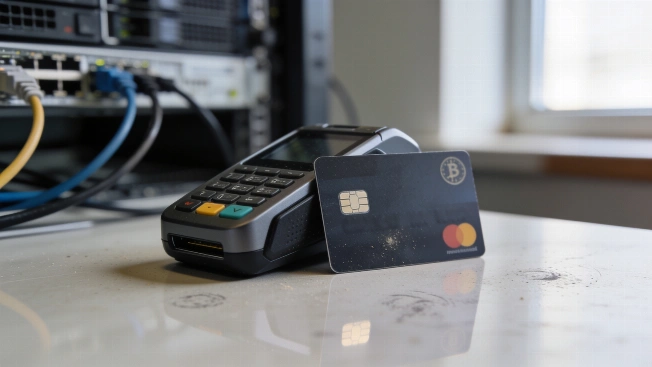
AI Agents Bring Voice-Driven Crypto Payments to Wallets and Cards
AI-powered conversational payments are moving beyond chatbots, letting users shop, book, and pay with natural language. But security, user control, and regulatory hurdles remain as platforms like MoonPay PayBox test new models
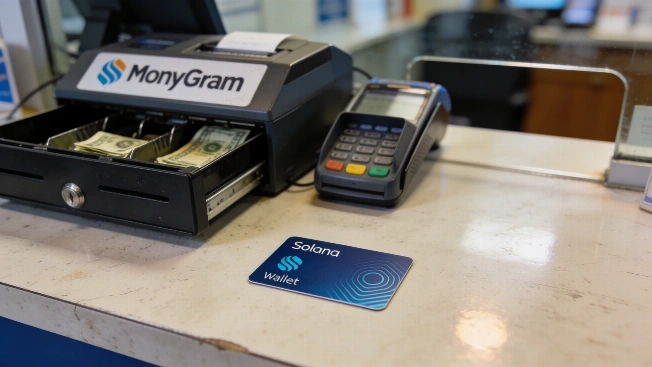
MoneyGram Expands Solana Cash Access to 170+ Markets Worldwide
MoneyGram has integrated its Ramps service with Solana, enabling users in over 170 countries to withdraw cash from supported wallets and allowing cash deposits in more than 25 countries through its global network.
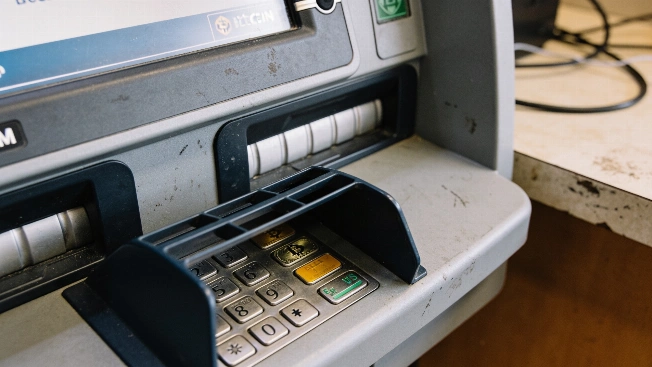
Crypto ATM Limits and KYC Rules Depend on Location and Operator
Bitcoin ATM users face different identity checks and transaction caps depending on state law, operator policy, and fraud controls. U.S. rules, operator risk models, and cash availability all shape how much crypto you can buy or withdraw.
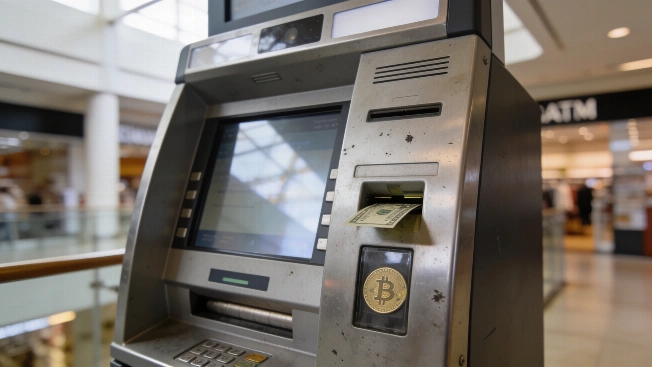
Australia Tightens Crypto ATM Rules Amid Scam and Fraud Concerns
Australia's crypto ATM sector faces strict AUSTRAC oversight, including cash limits, enhanced customer checks, and mandatory scam warnings, as regulators respond to rising financial crime risks and rapid growth in machine installations.
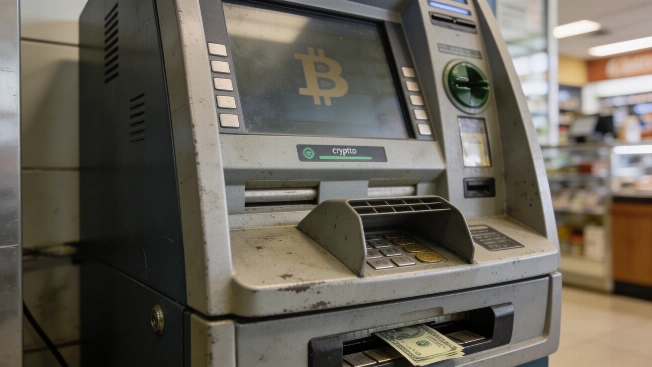
Crypto ATM Operators Face New Scrutiny Over AML and Scam Risks
Crypto ATM operators are under pressure to strengthen anti-money laundering controls as regulators warn of rising scam losses and evolving criminal tactics. Enhanced monitoring, wallet screening, and consumer protections are now in focus.
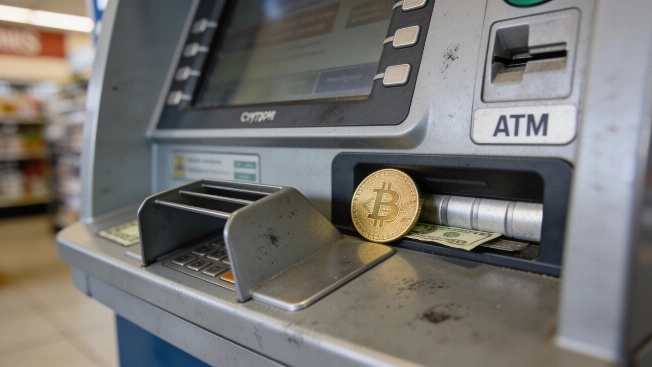
Crypto ATM Rules Tighten: KYC, AML, and State Limits Explained
Crypto ATMs face stricter rules as U.S. states and global regulators ramp up KYC, AML, fraud prevention, and licensing requirements, making compliance more complex for operators and reducing anonymity for users
Coinbase Launches 24/5 US Stock Trading for UK Users
Coinbase now offers eligible UK users 24/5 access to nearly 4,000 US stocks with zero-commission trading and fractional shares, expanding its platform beyond crypto and signaling a push into mainstream financial services.
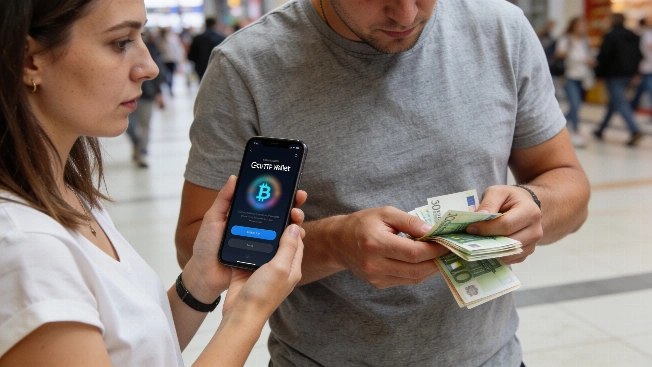
How Gate P2P Enables Zero-Fee Crypto Trading With Fiat Worldwide
Gate P2P lets users buy and sell crypto directly with fiat currencies using over 450 payment methods, offering zero platform fees and escrow protection for peer-to-peer trades across 80 countries

Banca d'Italia Finds USDC Remittance Costs Hit 9%
A Banca d'Italia mystery-shopping study of 200 USDC transfers across 10 corridors found total costs from 0.3% to about 9%, with exchange spreads and fiat fees-not on-chain charges-dominating the bill
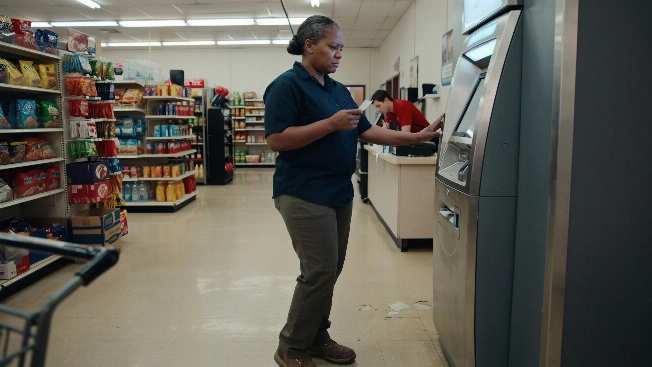
Louisiana Law Lets Crypto ATM Users Demand Refunds From Unlicensed Operators
A new Louisiana law gives crypto ATM users the right to cancel transactions and claim full refunds if the operator lacked a state license at the time, with strict deadlines for operator response and payment. Fraud-related claims require police documentation.

MoonPay Launches PayBox for AI-Driven Crypto Transactions
MoonPay's new PayBox lets ChatGPT and Claude users approve crypto purchases, swaps, and cross-chain transfers directly in conversation, while keeping custody of their funds and setting spending limits for AI-driven transactions
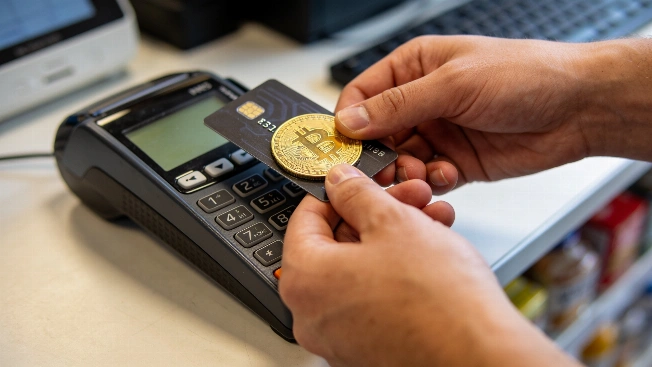
How Crypto Cards Turn Digital Assets Into Everyday Payments
Crypto cards let users spend digital assets at regular merchants by converting crypto to fiat at the point of sale, but fees, asset support, and regional restrictions can affect usability and costs
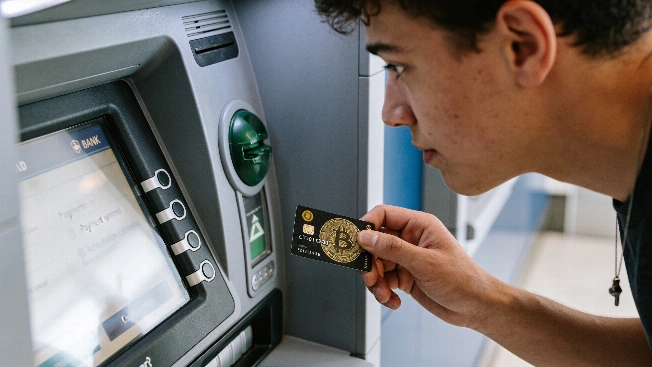
How U Card Fees Impact Crypto Card Users and Spending
Crypto card users face a complex mix of fees on U Card products, including funding, currency conversion, and ATM withdrawals. Understanding the real cost structure is key to minimizing losses and making informed choices
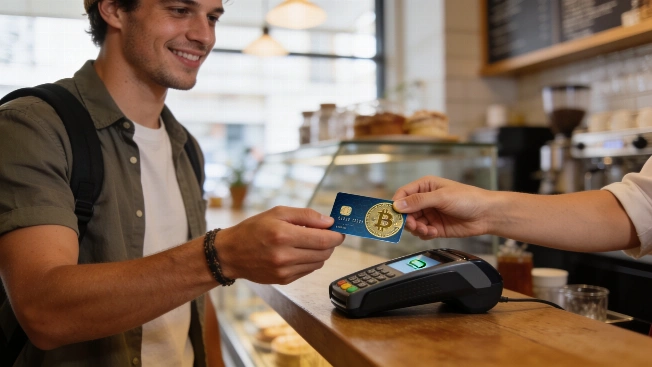
How Crypto Cards Are Changing Cross-Border Payments
Crypto-linked cards like U Card are streamlining international consumer payments by connecting digital assets to global card networks, offering faster transactions and new options for spending stablecoins abroad
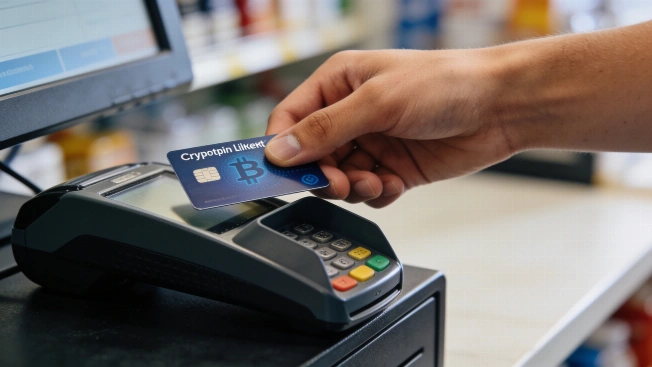
How U Cards Let Crypto Users Spend Stablecoins Like Cash
U Cards bridge stablecoins and real-world payments, offering crypto holders a way to fund purchases and cross-border transactions without relying on traditional bank accounts or prepaid cards