Crypto on-ramps and off-ramps determine how easily users and businesses can convert between traditional money and digital assets, shaping access, fees, and compliance for U.S. and global participants
Moving money between traditional bank accounts and cryptocurrencies depends on two critical services: on-ramps and off-ramps. On-ramps let users buy crypto with fiat currencies like U.S. dollars or euros, while off-ramps convert crypto back into government-issued money or enable spending through familiar payment networks. These mechanisms are central to how users, businesses, and institutions access digital assets, and their design directly affects cost, speed, regulatory compliance, and operational risk.
How On-Ramps and Off-Ramps Work
On-ramps typically allow users to deposit fiat via bank transfer, debit or credit card, or local payment methods, then purchase cryptocurrencies such as Bitcoin or stablecoins. For example, a user might transfer euros from a bank account to a crypto exchange and buy USDC, completing the on-ramp process. Off-ramps reverse this flow: users sell crypto for fiat and withdraw funds to a bank account, or spend crypto directly using payment cards that convert assets at the point of sale. Peer-to-peer (P2P) marketplaces, over-the-counter (OTC) desks, and third-party payment providers also facilitate these conversions, each with their own trade-offs in terms of fees, settlement times, and compliance requirements.
For U.S. users, the availability of specific on- and off-ramp methods depends on the provider's licensing, supported payment rails, and regulatory obligations. Some platforms offer direct fiat deposits and withdrawals, while others rely on third-party partners or restrict certain services by state or country. Gate, for instance, supports card-based crypto purchases, bank transfers, and P2P trading in select regions, and has introduced products like Gate Card and Gate Pay to expand payment options. The company's approach reflects a broader industry trend toward integrating crypto with traditional financial infrastructure, but also highlights the complexity of regulatory compliance and geographic restrictions.
Fees, Settlement, and Compliance
Costs for using on-ramps and off-ramps vary widely. Payment fees, conversion spreads, trading commissions, withdrawal charges, and blockchain network fees can all affect the final amount received. Card purchases often carry higher fees than bank transfers, but may settle faster. Some providers advertise zero processing fees but compensate with less favorable exchange rates. The most relevant metric for users is the net amount of crypto or fiat received after all costs are deducted.
Settlement times are equally variable. Card-based crypto purchases may be credited within minutes, while bank transfers can take from a few hours to several business days, depending on the payment network, bank processing times, and compliance checks. Off-ramp withdrawals to bank accounts are subject to similar delays, and large or unusual transactions may trigger additional reviews. Providers generally require identity verification (KYC) and screen transactions for anti-money-laundering (AML) compliance, with requirements differing by jurisdiction and transaction size. In the U.S., state-level licensing and federal rules such as the Travel Rule add further complexity, as discussed in EgonCoin's analysis of tightening crypto ATM regulations.
Product Types and User Experience
Centralized exchanges remain the most common entry and exit points for crypto, combining fiat funding, trading, custody, and withdrawal services. Some exchanges hold regulatory authorizations for both crypto and payment services, enabling direct fiat deposits and withdrawals. Third-party payment providers embed on-ramps into wallets and apps, handling card processing and conversion behind the scenes. P2P marketplaces connect buyers and sellers directly, often supporting local payment methods not available through banks. OTC desks cater to large transactions, offering direct quotes and settlement for institutional clients.
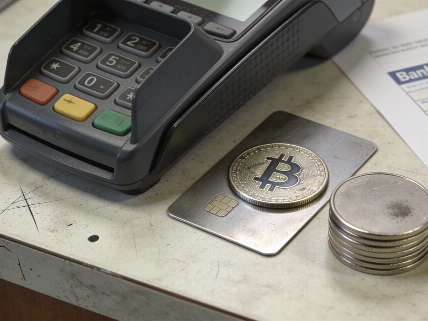
Crypto-linked payment cards, such as those issued by Gate US in partnership with Visa, allow users to spend stablecoins like USDC at traditional merchants, with conversion to fiat occurring during the transaction. Merchant payment solutions like Gate Pay enable businesses to accept crypto and settle in either digital assets or fiat, further blurring the line between on-ramps, off-ramps, and everyday payments. Each model presents different trade-offs in terms of convenience, cost, liquidity, and regulatory oversight.
Choosing a Ramp Provider
When selecting an on-ramp or off-ramp, users should verify that the service supports their country, preferred fiat currency, payment method, and crypto wallet. Comparing the total transaction cost-including exchange rates, fees, and settlement times-is more informative than focusing on a single advertised fee. Security, regulatory status, and withdrawal limits are also critical, especially for larger transactions or business use. Some platforms offer a full financial loop, supporting both entry and exit, while others specialize in one direction or restrict services by jurisdiction.
According to data from The Block Research, global crypto-to-fiat exchange volume on centralized platforms exceeded $1.2 trillion in the first half of 2026, with U.S. dollar pairs accounting for over 60% of activity. Stablecoins such as USDC and Tether remain the most common bridge assets, facilitating both on-ramp and off-ramp flows. Regulatory scrutiny has increased, with more than 40 U.S. states now requiring money transmitter licenses for crypto-fiat services, and major exchanges reporting expanded compliance teams and transaction monitoring capabilities.
On-ramps and off-ramps are not just technical bridges-they are the infrastructure that determines how easily users can move between traditional finance and crypto. Their design affects everything from transaction speed and cost to regulatory exposure and user experience. As the industry matures, the distinction between buying, selling, spending, and accepting crypto is becoming less rigid, but the underlying compliance, liquidity, and operational risks remain significant for both individuals and businesses.