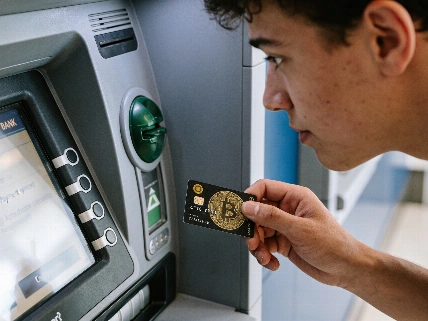

Crypto cards let users spend digital assets at regular merchants by converting crypto to fiat at the point of sale, but fees, asset support, and regional restrictions can affect usability and costs
Crypto cards have emerged as a bridge between digital assets and traditional payment systems, allowing users to spend cryptocurrencies like Bitcoin or Ethereum at merchants that only accept fiat currencies. These cards, typically issued as debit or prepaid products, are linked to a user's crypto wallet or exchange balance. When a purchase is made, the card issuer converts the selected cryptocurrency into fiat-such as U.S. dollars or euros-settling the transaction through established networks like Visa or Mastercard. This process enables crypto holders to use their assets for everyday expenses without first manually converting funds through an exchange and transferring them to a bank account.
How Crypto Cards Work
Most crypto cards function by drawing funds from a connected wallet or exchange account. At the point of sale, the issuer automatically sells the required amount of cryptocurrency to cover the purchase, applying the current exchange rate and any applicable fees. The merchant receives fiat currency, while the user's crypto balance is reduced accordingly. Some cards offer both virtual and physical formats, with virtual cards often available for immediate use after approval, and physical cards shipped for in-store purchases or ATM withdrawals. Integration with mobile payment platforms like Apple Pay and Google Pay is increasingly common, expanding usability for online and contactless transactions.
Key Differences and User Considerations
Not all crypto cards are created equal. Differences in supported cryptocurrencies, fee structures, reward programs, KYC (know-your-customer) requirements, and geographic availability can significantly affect the user experience. For example, some cards support a wide range of tokens and blockchains, while others are limited to major assets like Bitcoin or stablecoins. Fees may include conversion spreads, ATM withdrawal charges, and foreign transaction costs, which can erode the value of rewards such as cashback. Regional restrictions are also common, with many products unavailable to U.S. residents or subject to additional compliance checks.
Gate Card, for instance, is available to users who complete a streamlined KYC process on the Gate platform. It connects to Visa and Mastercard networks, supports mobile wallets, and is designed for daily spending, travel, and online subscriptions. Virtual cards are typically issued quickly, while physical cards can be used for in-person purchases and cash withdrawals where permitted. The practical value of rewards depends on the transparency of the card's fee structure and the user's spending patterns.
Risks, Limitations, and Tax Implications
While crypto cards offer convenience, they introduce several risks and trade-offs. The volatility of cryptocurrencies means that the fiat value of a purchase can fluctuate between authorization and settlement, potentially resulting in higher or lower effective costs. Users must also consider the tax implications: in many jurisdictions, converting crypto to fiat-even for everyday purchases-can trigger taxable events, requiring careful record-keeping. Enhanced KYC and anti-money laundering checks are standard, especially for cards operating in the European Economic Area or other regulated markets. Most crypto cards function as prepaid or debit products, not as traditional credit lines, and do not offer the same consumer protections as bank-issued credit cards.
Market Data and Adoption
According to data from Visa, the company processed over $3 billion in crypto-linked card payments globally in 2023, reflecting growing interest in using digital assets for real-world transactions. However, the number of active crypto card users remains a small fraction of total crypto wallet holders, and availability in the United States is limited by regulatory and compliance hurdles. Fee structures vary widely: some cards charge conversion fees of 1-3%, while others offer zero-fee transactions but compensate with higher spreads or limited asset support. The competitive landscape continues to evolve as exchanges and fintech firms launch new products and expand regional coverage.
Crypto cards represent a practical solution for spending digital assets in environments where direct crypto payments are not widely accepted. By leveraging established payment networks, these cards make it possible to use cryptocurrencies for daily purchases, travel, and online services. However, users should carefully review supported assets, fee schedules, regional restrictions, and compliance requirements before choosing a product. The convenience of crypto cards comes with trade-offs in terms of volatility, fees, and potential tax obligations, making them a bridge to traditional finance rather than a full replacement for bank accounts or credit cards.
One of the central trade-offs with crypto cards is the reliance on centralized issuers and payment networks to facilitate transactions. While this approach enables broad merchant acceptance, it also introduces counterparty risk and subjects users to the policies and limitations of both the card issuer and the underlying payment network. Additionally, the need for KYC and regulatory compliance can limit privacy and restrict access for users in certain jurisdictions. As the regulatory landscape evolves and more merchants experiment with direct crypto acceptance, the role of crypto cards may shift, but for now, they remain a key tool for bridging the gap between digital assets and everyday spending.