
Stablecoins
91 stories
XRP Faces Liquidity Test as Stablecoin Supply on XRPL Surges
XRP's price rebound and a $1.1 billion stablecoin supply on the XRP Ledger are putting the network's liquidity and value-capture claims under scrutiny as decentralized exchange activity accelerates.

Aave Borrow Rate Hike Squeezes Ethena USDe Yield Loops
Aave faces mounting pressure as LlamaRisk pushes to raise USDe borrowing rates across five major markets, threatening the profitability of leveraged sUSDe yield strategies and exposing users to negative returns.
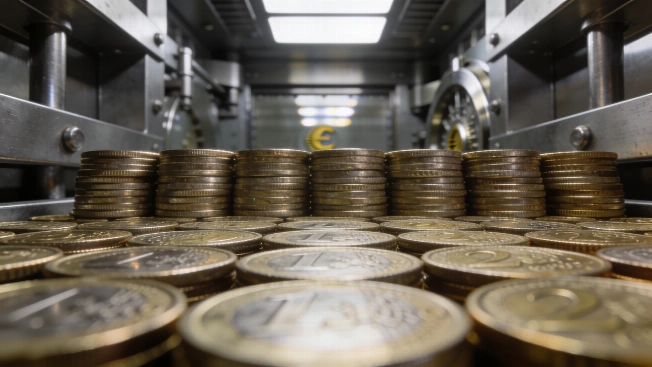
Qivalis Euro Stablecoin Alliance Puts European Banks on Blockchain
Qivalis brings 37 European banks together to launch a fully reserved euro stablecoin for on-chain payments and settlements, aiming to challenge dollar dominance and reshape digital finance infrastructure across the EU

Tether pushes USDT into private credit as defaults climb
Tether is moving USDT-backed financing into the $3 trillion private credit market through a new fund with Fasanara Capital, entering a sector facing rising defaults and investor redemption pressure
Bitcoin Holders Face New Risks When Borrowing Without Selling
Bitcoin owners can now access loans without selling their BTC by using custodial tokens on other blockchains. But this approach exposes users to new risks, including reliance on custodians, redemption restrictions, and potential liquidation if prices fall

Tether's AI Wallet Ambition Puts Spending Limits on Developers
Tether's push to let AI agents spend stablecoins through local wallets shifts the burden of enforcing spending limits onto developers, raising new questions about security, user control, and the practical risks of automation

Moonwell Bad Debt Plan Cuts Interest but USDC Withdrawals Still Frozen
Moonwell's new proposal could sharply reduce interest on bad debt, but users with USDC deposits remain unable to withdraw funds as the protocol weighs further risk and recovery steps

NetNet Launches Reserve Token With Hard USDG Floor on Robinhood Chain
NetNet introduces a reserve-backed token on Robinhood Chain, enforcing a strict 1 USDG risk-free value per NET and separating real-world asset activity from on-chain reserves. Immutable formulas and permissionless operations define every key mechanism.
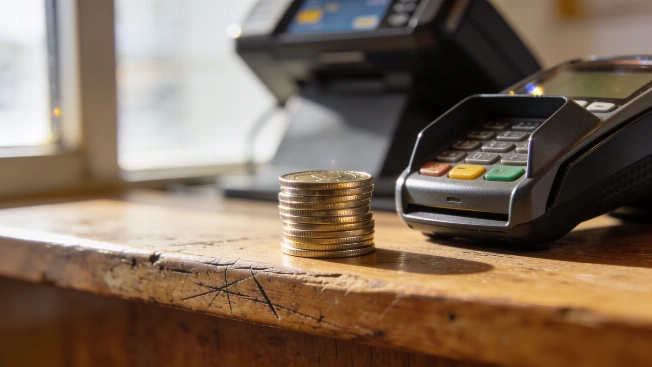
Stablecoins Push Card Networks to Rethink Liquidity and Settlement
Stablecoins are moving from crypto rails to real-world payments, forcing card networks and banks to confront 24/7 liquidity gaps and working capital demands as settlement volumes surge and new infrastructure models emerge

Fed Stablecoin Plan Risks Double Counting Dollars in Money Supply
A Federal Reserve staff note warns that regulated stablecoins could inflate official US money supply figures unless new accounting methods address reserve overlap and cross-border activity

Banks Move to Issue Stablecoins, Redefining Crypto's Financial Role
Major banks are preparing to launch their own dollar-backed stablecoins, aiming to control on-chain payments and settlement. This shift could reshape how dollars move globally and challenge crypto-native issuers' dominance.

Dubai Court Orders TrueUSD Defendant to Reveal Legal Funding Sources
A Dubai court has set a September 7 deadline for Matthew William Brittain to disclose the origins of millions in legal payments tied to a $456 million TrueUSD reserve dispute, with potential sanctions if he fails to comply

21 Global Banks Target 2027 for Launch of Dollar Stablecoin
A consortium of 21 major banks, including Bank of America and Citi, plans to launch a U.S. dollar stablecoin for payments and settlements in 2027, aiming to challenge existing leaders and reshape the stablecoin market.
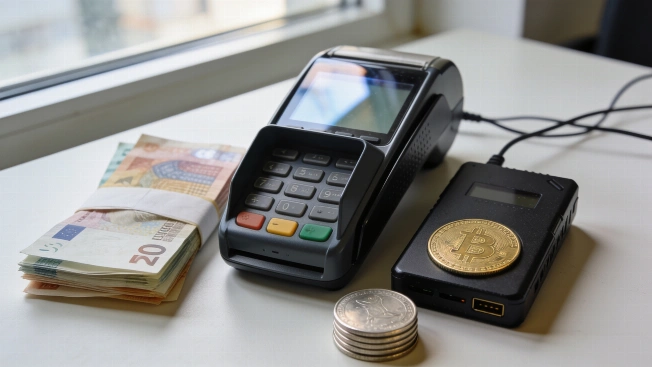
Crypto Payments or Bank Transfers in 2026: Which Moves Money Faster
Stablecoins now move billions across borders in seconds, but hidden costs and compliance hurdles remain. Domestic bank rails have caught up on speed, leaving the real contest in international payments and business workflows.

Japan FSA Pushes to End Tax Filings for Trust Stablecoins by 2027
Japan's top financial regulator wants to exempt trust-type stablecoins from annual tax filings, arguing that current rules block practical payment use and don't fit assets that generate no income for holders

Ethena Pay Launches Beta in 48 Countries With USDe Savings and AVAX Rewards
Ethena Pay, a self-custodial neobank app built on Avalanche, is now in beta across 48 countries, offering USDe-denominated savings with up to 6% APY and AVAX cashback, but remains unavailable in the U.S. and EU pending regulatory approval

Tokenized Deposits Bring Bank Money On-Chain-But With New Risks
Tokenized deposits let banks issue blockchain-based claims on customer funds, enabling programmable payments and on-chain settlement. But their adoption raises new questions about credit risk, interoperability, and regulatory oversight in 2026.

Nine Blue Chip Cryptos to Watch as 2026 Market Drivers Shift
Bitcoin, Ethereum, Solana, and stablecoins like USDT and USDC are shaping the blue chip crypto landscape for 2026, but each faces unique catalysts and risks as institutional demand, network growth, and regulatory pressures evolve

Sber Eyes USDT and ETH as Loan Collateral Amid Regulatory Shift
Russia's largest bank is preparing to accept USDT and ETH as collateral for crypto-backed loans, but the rollout depends on regulatory approval and comes as Sber questions demand for the digital ruble

US Exchanges Face New Scrutiny Over Foreign Stablecoin Listings
Proposed Treasury rules under the GENIUS Act would require US crypto platforms to audit foreign stablecoin issuers or risk delisting, shifting compliance responsibility to exchanges and raising new hurdles for non-US stablecoins

Stablecoin Apps Shift ETH and SOL Demand to Providers, Not Users
Ethereum and Solana process trillions in stablecoin volume, but new wallet and paymaster models mean users may never see or hold native tokens, raising questions about who actually drives demand for ETH and SOL as network fees remain mandatory.

How Gate Idle Earn Lets Users Earn Yield on Tradable Stablecoins
Gate Idle Earn offers users a way to earn daily yield on idle USDT, USDC, and other stablecoins held in trading accounts-without locking funds or converting to a separate product. Here's how the mechanism works and what users should know

How Gate Idle Earn Works and What Affects Your Snapshot Balance
Gate Idle Earn lets eligible users earn yield on idle stablecoins without daily subscriptions, but actual returns depend on available balances after margin, open orders, and borrowed funds are excluded

How Crypto Holders Can Earn Passive Income Without Daily Trading
Crypto holders can generate passive income through staking, lending, stablecoin yields, and holding-based rewards, but each method comes with distinct risks, liquidity trade-offs, and yield sources that users should understand before committing funds

How Crypto Savings Accounts Generate Yield-and What Risks Remain
Crypto savings accounts let users earn yield on idle digital assets, but returns depend on lending, staking, or other mechanisms-and come with risks not found in traditional bank accounts, including price volatility, liquidity limits, and lack of insurance

US State Banks Plan BankChain Blockchain Network for 2027 Launch
Thirty-nine US state banking associations are forming the BankChain Alliance to develop a nationwide blockchain network for tokenized deposits and on-chain payments, aiming for a 2027 rollout and inviting broad bank participation

Banks Turn to Tokenized Deposits to Compete With Stablecoins
U.S. banks are rolling out tokenized deposits to keep customer funds on their balance sheets, aiming to offer 24/7 programmable settlement and defend against stablecoin-driven funding pressures

Revolut Launches Euro Stablecoin EURR in Denmark, Poland, Portugal
Revolut has introduced its first euro-pegged stablecoin, EURR, to customers in Denmark, Poland, and Portugal, with plans for a broader EEA rollout. The move comes as the company phases out Tether in the region and adapts to new EU crypto rules

River Protocol Lets Users Mint Stablecoins Across Multiple Blockchains
River introduces a cross-chain protocol enabling users to lock collateral on one blockchain and mint the satUSD stablecoin on another, raising new questions about capital efficiency, risk, and the complexity of decentralized finance infrastructure

Crypto Tokens Explained: How They Work, Risks, and Key Uses
Crypto tokens are digital assets built on existing blockchains, enabling payments, governance, and asset representation. Their programmability brings new opportunities but also introduces security, liquidity, and regulatory risks for users and developers
Page 1 of 4