
Centralized Exchanges
75 stories
Staked TRX ETF Launch Brings Staking Rewards to Traditional Investors
Canary Capital's TRXS ETF aims to combine TRON staking rewards with TRX price exposure for brokerage account holders, but investors face sponsor fees, staking lockups, and operational trade-offs that differ from direct token ownership

Gate KYC Rules Decide Who Gets Access to Crypto Services
Gate users face strict identity verification that can block deposits, withdrawals, fiat access, card applications, and stock trading. Regional rules and product-specific checks mean passing KYC once does not guarantee full platform access

Gate Account Setup Now Demands Precision as Product Access Splinters
Opening a Gate account is no longer a one-size-fits-all process. From KYC to sub-accounts and regional restrictions, users must navigate a maze of requirements before accessing trading, stocks, cards, or payment features.

Crypto Exposure Rises in US Large Cap ETF as Strategy and Robinhood Surge
A leading US large-cap ETF now counts Strategy and Robinhood as its top holdings, giving investors indirect exposure to crypto market swings through public equities rather than direct Bitcoin ownership

CLARITY Act Set to Redraw Crypto Market Power in the United States
The CLARITY Act could overhaul how U.S. crypto businesses operate by shifting regulatory boundaries and compliance costs. Trading platforms, DeFi protocols, and token projects face new winners and losers as legal lines are redrawn.

Robinhood Faces AMC Showdown Over Tokenized Stock Product
Robinhood is refusing AMC's demand to halt trading of its AMC-linked Stock Token, a product that tracks AMC's share price but gives holders no shareholder rights or company ownership. The dispute exposes the legal and regulatory gray zone of tokenized securities.

Gate Expands 24/7 Stock Trading-But Liquidity Still Favors Core Hours
Gate now lets users trade U.S., Hong Kong, and Korean stocks around the clock, blurring the line between crypto and equity market hours. But not all assets-and not all hours-offer the same liquidity or execution quality.

Thailand Targets Crypto Wallets With Sweeping New Transfer Rules
Thailand's SEC will require crypto platforms to collect and transmit sender and recipient details for all coin transfers starting February 2027, with stricter checks for transactions over 30,000 baht and mandatory five-year record retention

Gate Earn's Staking Choices: What Crypto Holders Need to Know Now
Gate Earn users face a maze of staking and lending options, each with distinct liquidity, lock-up, and risk profiles. Understanding the real differences between on-chain staking, lending, and automated yield is critical before committing assets.

How to Choose the Right Gate Earn Product for Your Crypto Strategy
Gate Earn offers multiple yield products, but each comes with distinct liquidity, risk, and user action requirements. Understanding the differences between Idle Earn, Simple Earn, Soft Staking, Staking, and Auto-Earn is critical for effective crypto management

Gate VIP vs Institutional: How Exchange Perks and Infrastructure Diverge
Gate's VIP and Institutional services promise lower fees, exclusive products, and advanced infrastructure-but the real differences shape how individuals and teams access trading, custody, and capital management on the platform

Deribit Dominates Coinbase Derivatives as Institutional Migration Nears
Deribit already holds over 96% of open interest shown on Coinbase's derivatives dashboard, with a September 9 migration set to shift institutional positions and change how trades are settled and managed for major clients

Leverage and Margin Trading: Key Differences and Crypto Risks Explained
Leverage and margin trading let crypto users control larger positions with less capital, but each comes with distinct risks, costs, and liquidation triggers. Understanding how these mechanisms work is critical for managing exposure and avoiding forced liquidations.

How Crypto On-Ramps and Off-Ramps Move Money In and Out
Crypto on-ramps and off-ramps determine how easily users and businesses can convert between traditional money and digital assets, shaping access, fees, and compliance for U.S. and global participants

Binance Expands Stock Options Access for Non-US Users
Binance has launched physically settled options trading on over 1,000 US-listed stocks and ETFs for non-US users, offering new ways to manage equity exposure as demand for traditional finance products on crypto exchanges accelerates
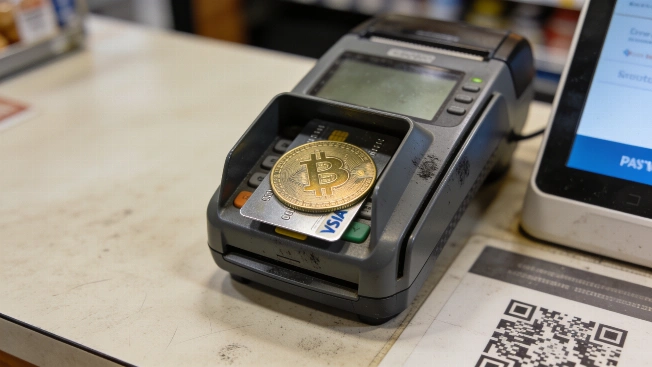
Gate Card or Gate Pay: How to Choose for Crypto Payments
Gate Card lets users spend crypto like cash at merchants, while Gate Pay offers a broader platform for sending, receiving, and managing digital-asset payments. Here's how their fees, rewards, and use cases compare for U.S. and global users

How Gate HODLer Airdrop Rewards GT Holders With New Tokens
Gate HODLer Airdrop lets users earn new project tokens by holding GT and registering for campaigns, with rewards based on average GT balances. The program does not require staking or token purchases, but comes with eligibility limits and market risks

How Automated Crypto Trading Works on Gate: Bots, Copy, and AI
Automated crypto trading on Gate shifts order execution from manual input to system-driven strategies, including trading bots, copy trading, and AI tools. Users must weigh market risks, strategy design, and platform rules before automating trades

Hyperliquid Eyes US Market With Kraken Parent's Bitnomial Exchange
Hyperliquid is negotiating with Kraken's parent Payward to route crypto perpetual futures through Bitnomial, a CFTC-regulated exchange, potentially opening access for US traders and testing new regulatory pathways for decentralized derivatives.

Sber Eyes USDT and ETH as Loan Collateral Amid Regulatory Shift
Russia's largest bank is preparing to accept USDT and ETH as collateral for crypto-backed loans, but the rollout depends on regulatory approval and comes as Sber questions demand for the digital ruble

Charles Schwab Expands Crypto Trading With Solana, Avalanche, Chainlink
Charles Schwab will soon add Solana, Avalanche, and Chainlink to its crypto trading platform, giving nearly 40 million U.S. brokerage clients access to more digital assets beyond Bitcoin and Ethereum

KuCoin Expands Sanctions Screening to Indirect Crypto Transfers
KuCoin now blocks or reviews crypto transactions linked to 17 sanctioned platforms, including HTX, even if users never sent funds directly, raising new compliance and user risk concerns for U.S. and global customers

Gate Wealth and Gate Earn: How Service Models Shape Crypto Yield
Gate Wealth targets ultra-high-net-worth clients with multi-asset, relationship-driven management, while Gate Earn offers retail users self-serve crypto yield products. Understanding the differences can help users choose the right approach for their needs

How Gate Launchpool Lets Users Stake Crypto for New Token Rewards
Gate Launchpool enables users to stake assets like GT, BTC, ETH, or stablecoins to earn new project tokens, but actual rewards depend on pool size, participation, and token price volatility-making outcomes less predictable than advertised APRs suggest

How Gate Idle Earn Lets Users Earn Yield on Tradable Stablecoins
Gate Idle Earn offers users a way to earn daily yield on idle USDT, USDC, and other stablecoins held in trading accounts-without locking funds or converting to a separate product. Here's how the mechanism works and what users should know

How Gate Idle Earn Works and What Affects Your Snapshot Balance
Gate Idle Earn lets eligible users earn yield on idle stablecoins without daily subscriptions, but actual returns depend on available balances after margin, open orders, and borrowed funds are excluded

Gate CandyDrop Launches Task-Based Airdrop Platform for Token Rewards
Gate's CandyDrop platform lets users earn token airdrops by completing trading, deposit, or referral tasks, but only after opting in to each campaign. Eligibility, reward formulas, and regional restrictions vary by project and campaign window.

How Gate CandyDrop, Launchpool, and HODLer Airdrop Actually Differ
Gate users face three distinct ways to access new token rewards: CandyDrop for task-based airdrops, Launchpool for staking, and HODLer Airdrop for holding GT. Each method has unique eligibility, mechanics, and risks that affect user outcomes.

Hyperliquid Pushes for Unified US Perpetuals Rules as Market Grows
The Hyperliquid Policy Center is urging the SEC and CFTC to create a single regulatory framework for perpetual contracts, as HIP-3 market volume surpasses $480 billion and legal pressure mounts from major exchanges.

How to Identify a Real Economic Moat in Crypto and Finance
A true economic moat protects a company's profits from competitors for years, but not every strong brand or fast-growing crypto platform qualifies. Here's how to spot genuine, lasting advantages-and why valuation still matters.
Page 1 of 3