
zkSync
3 storiesZK Stack chain framework shapes zkSync's approach to scaling, while ZKsync Era validity rollup defines its relationship with the settlement layer. Its practical ecosystem is tied to validity proof settlement, Elastic Network architecture, and native account abstraction; each can change the network's security assumptions or interoperability.
The zkSync record includes proof-system releases, execution changes, data-availability choices, bridge incidents, interoperability work, and operational evidence involving native account abstraction. Token trading and supply use a separate asset entry; this page is for the execution, settlement, and native account abstraction architecture of zkSync.
The zkSync record includes proof-system releases, execution changes, data-availability choices, bridge incidents, interoperability work, and operational evidence involving native account abstraction. Token trading and supply use a separate asset entry; this page is for the execution, settlement, and native account abstraction architecture of zkSync.
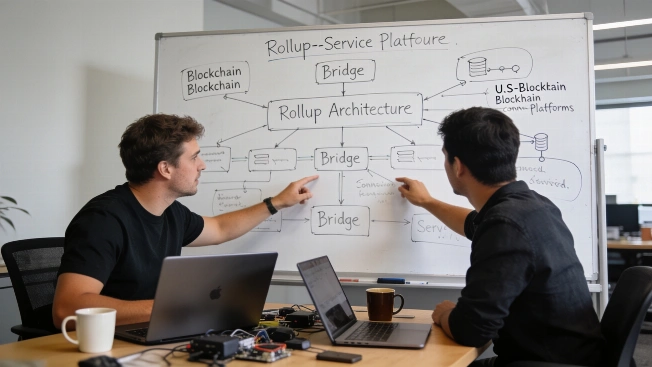
How to Choose Between Caldera, AltLayer, and Conduit for Rollups
Caldera, AltLayer, and Conduit each offer distinct approaches to Rollup-as-a-Service, with differences in interoperability, scalability, and hosting that can impact developers and projects seeking custom blockchain solutions

How to Launch a Custom Rollup on Caldera: Key Steps and Risks
Deploying a custom rollup on Caldera requires careful setup of framework, gas token, and network identifiers. U.S. developers and teams must weigh technical trade-offs, security risks, and operational requirements before going live

ADI Chain Targets Institutional Tokenization on Ethereum Layer 2
ADI Chain, a zkRollup Layer 2 on Ethereum, aims to provide banks, governments, and companies with compliant infrastructure for stablecoin payments and real-world asset tokenization, backed by major partners and a custom gas token.