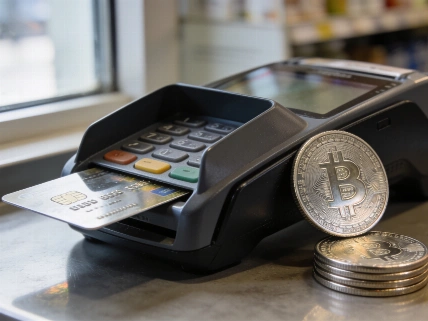

U Cards bridge stablecoins and real-world payments, offering crypto holders a way to fund purchases and cross-border transactions without relying on traditional bank accounts or prepaid cards
For cryptocurrency users looking to spend digital assets in everyday life, U Cards have emerged as a payment tool that connects stablecoins and other crypto holdings to mainstream payment networks. Unlike traditional bank cards or standard prepaid cards, U Cards are funded directly with stablecoins or other crypto assets, allowing users to convert digital value into real-world spending power without first moving funds through a bank account.
How U Cards Work
U Cards operate by linking on-chain assets-most commonly stablecoins like USDT or USDC-to a card balance that can be used for online purchases, in-store payments, and, in some cases, ATM withdrawals. The process typically involves transferring crypto from a wallet, exchange, or OTC desk to the card provider, which then converts or credits the value to the card. Once loaded, the card can be used through established payment networks such as Visa or Mastercard, making it compatible with millions of merchants worldwide.
This structure differs from a standard bank card, which draws funds directly from a checking or savings account, or a credit line. Prepaid cards, meanwhile, require users to deposit fiat currency in advance, with spending limited to the loaded balance. U Cards extend this prepaid model to crypto, enabling users to top up with digital assets and spend them after conversion to fiat at the point of sale.
Key Differences From Bank and Prepaid Cards
The main distinction between U Cards and bank cards lies in the source of funds and transaction flow. Bank cards are tied to regulated bank accounts, with funds subject to banking rules, KYC requirements, and regional restrictions. U Cards, by contrast, are funded with crypto, and the onboarding, compliance, and transaction monitoring depend on the card issuer, payment network, and local regulations. This can result in different risk controls, spending limits, and geographic availability compared to traditional cards.
Compared to prepaid cards, U Cards offer on-chain top-ups and are designed for users who already hold stablecoins or other crypto assets. While prepaid cards generally accept only fiat deposits, U Cards allow direct crypto funding, often with support for multiple digital assets. This makes them particularly useful for cross-border payments, international subscriptions, and spending in regions where banking access is limited or where users prefer to keep funds in crypto until the moment of purchase.
Practical Use Cases and Limitations
U Cards are most commonly used for international online shopping, travel expenses, and small cross-border payments. For users who receive income or hold savings in stablecoins, U Cards can reduce the friction and cost of converting crypto to fiat before spending. They are less suited for payroll deposits, recurring bill payments, or large domestic transfers, where traditional bank accounts and cards remain more practical due to regulatory and infrastructure compatibility.
Not all U Cards support ATM withdrawals, and withdrawal limits, supported networks, and KYC requirements vary by issuer and jurisdiction. Some cards are available only in virtual form for online use, while others offer physical cards for in-person payments. Regional restrictions, merchant category limitations, and additional fees may apply, depending on the provider and the user's location.
Risks, Fees, and Regulatory Considerations
While U Cards offer flexibility for crypto holders, they also introduce new risks and costs. Users may face additional fees for top-ups, conversions, or withdrawals, and the speed of transaction settlement can depend on the underlying crypto network and the issuer's processing times. Regulatory compliance, including KYC and AML checks, varies by provider and region, and users may encounter declined transactions due to risk controls, regional blocks, or unsupported merchant categories.
U Cards are not a substitute for a regulated bank account, and funds held on these cards may not be protected by deposit insurance or subject to the same consumer safeguards as traditional banking products. The stability of the card provider, the volatility of non-stablecoin assets, and the evolving regulatory landscape all affect the reliability and usability of U Cards for U.S. and international users.
According to data from Visa and Mastercard, crypto-linked card products have seen increased adoption since 2022, with several major exchanges and fintech firms launching U Card offerings targeting stablecoin users. However, availability for U.S. residents remains limited due to regulatory scrutiny and licensing requirements, and many products restrict access based on jurisdiction or require enhanced identity verification.
U Cards represent a growing segment of crypto payment infrastructure, but their features, fees, and legal status can differ widely between issuers. Users should review the terms, supported assets, regional restrictions, and compliance requirements before funding or relying on a U Card for regular spending.
U Cards highlight the evolving intersection of crypto and traditional payments, offering a bridge for users who want to spend digital assets without fully exiting the crypto ecosystem. Unlike bank cards, which are tightly regulated and tied to fiat accounts, or prepaid cards, which generally require fiat top-ups, U Cards enable on-chain funding and real-time conversion at the point of sale. This flexibility comes with trade-offs in terms of fees, regulatory risk, and consumer protections, making it important for users to understand the mechanics and limitations before integrating U Cards into their payment routines.