
Gate.io
70 stories
Tokenized Stock Exposure on BNB Chain Faces Key Verification Hurdles
4Stock offers blockchain-based stock exposure on BNB Chain, but users must navigate complex verification steps to confirm contract details, network compatibility, and the actual rights attached to the token before trading or transferring assets

Staked TRX ETF Launch Brings Staking Rewards to Traditional Investors
Canary Capital's TRXS ETF aims to combine TRON staking rewards with TRX price exposure for brokerage account holders, but investors face sponsor fees, staking lockups, and operational trade-offs that differ from direct token ownership

MarsCat Super App pushes AI and Web3 into one ecosystem
MarsCat launches an AI-powered Web3 app that merges private chat, wallet access, and DApp discovery under one roof. The MCAT token underpins services and incentives but faces early-stage and utility risks as the project expands.

StonkFun Launches Stock-Paired Token Model on Solana
StonkFun's STONK token introduces a stock-paired launchpad on Solana, burning over 10% of supply through fee-funded buybacks. The platform's equity-quoted pools and one-sided liquidity design set it apart from conventional meme coin launchpads.

Gate Trenches and DEXs Force Users to Choose Between Control and Convenience
Gate Trenches lets exchange users trade onchain with fewer wallet steps, while DEXs offer self-custody and direct liquidity access. Both options carry slippage, contract, and network risks that users must weigh before moving assets.

Gate Trenches Trading Fee Cuts Mask Real Onchain Transaction Costs
Gate Trenches advertises a 0.5 percent trading fee but users face unpredictable network costs and slippage that can outweigh the platform's headline rate. Here's how blockchain fees and liquidity shape the true price of every trade

BREW Token Launchpad Targets Creator Markets on BNB Chain
BREW powers a new platform for launching and trading creator tokens on BNB Chain, aiming to streamline token creation and liquidity while exposing users to unique risks and market dynamics

Crypto Callouts Trigger Meme Coin Surges as KOL Signals Dominate Trading
A single post from a key opinion leader can send a meme coin price soaring or crashing within minutes. But on-chain wallet activity, not social hype, reveals who profits and who gets left holding the bag

Gate KYC Rules Decide Who Gets Access to Crypto Services
Gate users face strict identity verification that can block deposits, withdrawals, fiat access, card applications, and stock trading. Regional rules and product-specific checks mean passing KYC once does not guarantee full platform access

Gate Account Setup Now Demands Precision as Product Access Splinters
Opening a Gate account is no longer a one-size-fits-all process. From KYC to sub-accounts and regional restrictions, users must navigate a maze of requirements before accessing trading, stocks, cards, or payment features.

Teller and Debit AI Reshape Crypto Lending With No Collateral Option
Teller's decentralized protocol and Debit's AI-powered interface now let users pre-qualify for unsecured cash loans or borrow against crypto and tokenized stocks without margin calls, but the model introduces new risks and regulatory questions for U.S. users

Gate Expands 24/7 Stock Trading-But Liquidity Still Favors Core Hours
Gate now lets users trade U.S., Hong Kong, and Korean stocks around the clock, blurring the line between crypto and equity market hours. But not all assets-and not all hours-offer the same liquidity or execution quality.

Gate Card vs Gate Pay: Crypto Payment Tools Face Real-World Trade-Offs
Gate Card and Gate Pay both promise to bridge crypto with global payments, but their differences in fees, asset support, and settlement reveal why users and merchants must scrutinize the fine print before relying on either for cross-border transactions

Crypto Earn Products: Why Your Funds May Not Be Instantly Redeemable
Crypto Earn products promise yield, but liquidity and redemption rules can delay access or erase interest. Users face penalties for early exits, network delays, and snapshot quirks that can shrink real returns. Here's what to know before locking funds

Artificial Inu Ties Meme Coin Hype to Tokenized NVIDIA Stock
Artificial Inu links its meme coin to a tokenized version of NVIDIA stock, introducing a vault and fee-burning mechanics. But the project's structure raises questions about asset rights, liquidity, and the real meaning of its AI narrative.

Gate Earn's Staking Choices: What Crypto Holders Need to Know Now
Gate Earn users face a maze of staking and lending options, each with distinct liquidity, lock-up, and risk profiles. Understanding the real differences between on-chain staking, lending, and automated yield is critical before committing assets.

How to Choose the Right Gate Earn Product for Your Crypto Strategy
Gate Earn offers multiple yield products, but each comes with distinct liquidity, risk, and user action requirements. Understanding the differences between Idle Earn, Simple Earn, Soft Staking, Staking, and Auto-Earn is critical for effective crypto management

DCA or Lump Sum: How Crypto Investors Face Timing and Volatility Risk
Crypto investors choosing between dollar-cost averaging and lump-sum investing face a trade-off: reduce timing risk or maximize market exposure. Each approach carries distinct consequences for returns, regret, and psychological stress in volatile markets

Gate VIP vs Institutional: How Exchange Perks and Infrastructure Diverge
Gate's VIP and Institutional services promise lower fees, exclusive products, and advanced infrastructure-but the real differences shape how individuals and teams access trading, custody, and capital management on the platform

How Card, Bank Transfer, and P2P Payments Differ for Crypto Users
Card payments, bank transfers, and P2P apps each offer distinct advantages and risks for moving money into, out of, or across crypto platforms. Understanding their speed, cost, and protections is critical for choosing the right method.

How to Choose Between Market and Limit Orders for Crypto Trades
Crypto traders face a key decision: execute trades instantly at current prices or set specific price targets and risk not being filled. Understanding market and limit orders is essential for managing execution, slippage, and trading costs

Leverage and Margin Trading: Key Differences and Crypto Risks Explained
Leverage and margin trading let crypto users control larger positions with less capital, but each comes with distinct risks, costs, and liquidation triggers. Understanding how these mechanisms work is critical for managing exposure and avoiding forced liquidations.

How Crypto On-Ramps and Off-Ramps Move Money In and Out
Crypto on-ramps and off-ramps determine how easily users and businesses can convert between traditional money and digital assets, shaping access, fees, and compliance for U.S. and global participants

How Mark, Index, and Last Price Shape Crypto Futures Risk
Crypto futures traders face real consequences from the differences between Mark Price, Index Price, and Last Price. Understanding how each is calculated and used can affect liquidation risk, PnL, and order triggers on major exchanges.

Gate Card Fees and Cashback in 2026: What U.S. Users Need to Know
Gate Card's 2026 fee structure includes a 0.9% crypto conversion fee, 0.4% FX fee, and up to 8% cashback, but costs and rewards vary by region and card type. U.S. users face a separate schedule and spending limits. Here's how the details compare
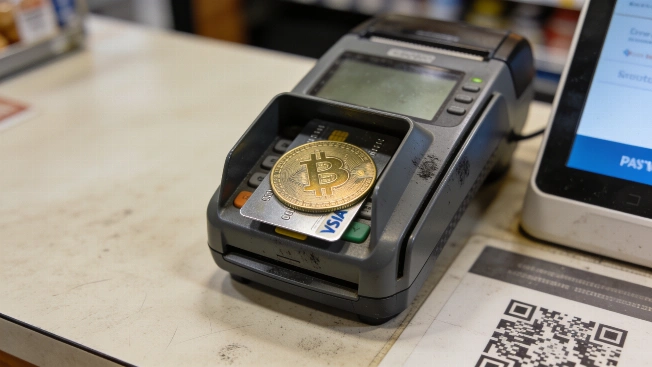
Gate Card or Gate Pay: How to Choose for Crypto Payments
Gate Card lets users spend crypto like cash at merchants, while Gate Pay offers a broader platform for sending, receiving, and managing digital-asset payments. Here's how their fees, rewards, and use cases compare for U.S. and global users

How Gate HODLer Airdrop Rewards GT Holders With New Tokens
Gate HODLer Airdrop lets users earn new project tokens by holding GT and registering for campaigns, with rewards based on average GT balances. The program does not require staking or token purchases, but comes with eligibility limits and market risks

How Automated Crypto Trading Works on Gate: Bots, Copy, and AI
Automated crypto trading on Gate shifts order execution from manual input to system-driven strategies, including trading bots, copy trading, and AI tools. Users must weigh market risks, strategy design, and platform rules before automating trades

Catecoin Launches on Solana With Meme-Driven Tokenomics
Catecoin, a Solana-based meme token inspired by Dogecoin's origin story, has launched with a fixed supply, no buy or sell tax, and a burned liquidity pool. The project claims no affiliation with Dogecoin and highlights significant market risks

Gate Wealth and Gate Earn: How Service Models Shape Crypto Yield
Gate Wealth targets ultra-high-net-worth clients with multi-asset, relationship-driven management, while Gate Earn offers retail users self-serve crypto yield products. Understanding the differences can help users choose the right approach for their needs
Page 1 of 3