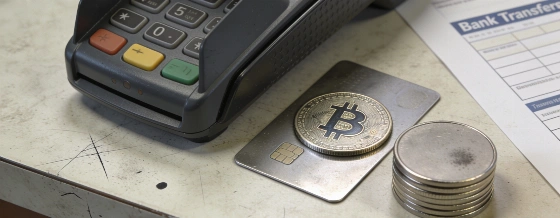
Card payments, bank transfers, and P2P apps each offer distinct advantages and risks for moving money into, out of, or across crypto platforms. Understanding their speed, cost, and protections is critical for choosing the right method.
Choosing how to move money into or out of cryptocurrency platforms is rarely as simple as picking the fastest option. Card payments, bank transfers, and peer-to-peer (P2P) payment services each serve different purposes, and the best fit depends on the transaction's size, urgency, cost, and the protections available. For crypto users, the decision is even more complex, as fiat can be deposited via banking or card rails, exchanged for digital assets, transferred through a P2P crypto marketplace, or spent directly with a crypto-enabled card.
Comparing Payment Methods
Card payments are typically favored for everyday purchases, subscriptions, travel, and online shopping. They offer quick authorization and are widely accepted by merchants. Debit cards draw from your bank balance, while credit cards use a credit line that must be repaid later. Crypto-enabled cards, such as those offered by Gate, allow users to spend digital assets directly, but the underlying mechanics and fees can vary by region and provider.
Bank transfers are generally used for moving funds directly between accounts, making them suitable for larger transactions, business payments, and fiat deposits or withdrawals. The speed and cost of a bank transfer depend on the payment system-ACH, SEPA, Faster Payments, FedNow, or wire-and the banks involved. Some instant-payment systems can settle in seconds, while cross-border wires may take days and incur multiple fees.
P2P payment apps like Zelle or PayPal simplify sending money to individuals by using phone numbers, email addresses, or usernames instead of full banking details. These services can be fast and convenient, but fees, limits, and consumer protections differ widely. Notably, a P2P crypto marketplace is distinct from a consumer P2P app: the former matches buyers and sellers of cryptocurrency, often using external fiat payment methods and providing escrow and dispute resolution.
Speed, Cost, and Security
There is no universal answer to which method is fastest or cheapest. Card payments usually provide immediate authorization, but settlement between banks can lag. Bank transfers may be instant or take several days, depending on the rail and jurisdiction. P2P apps can move money within minutes, but may charge extra for instant withdrawals or card funding.
Costs are highly variable. Card transactions may involve foreign exchange fees, interest, or crypto conversion charges. Bank transfers can be free or carry wire, intermediary, and FX fees. P2P apps may charge for certain funding or withdrawal methods, and crypto P2P platforms can add spreads or platform fees-though some, like Gate P2P, currently waive trading fees for users. The cheapest method is the one that delivers the highest net amount after all fees and conversions.
Security and fraud risks also differ. Credit cards often provide strong protections for unauthorized transactions and eligible disputes, while debit cards may tie up your own funds during a dispute. Bank transfers benefit from regulated infrastructure but can be difficult to reverse if sent to the wrong recipient. P2P apps are especially vulnerable to social engineering scams, and most do not offer purchase protection for authorized payments. Crypto transfers, whether on-chain or via P2P marketplaces, are typically irreversible once confirmed.
Crypto-Specific Considerations
For crypto users, the choice of payment method can affect not just speed and cost, but also how easily funds move between fiat and digital assets. Crypto cards, such as those from Gate, let users spend supported tokens directly at merchants, bypassing the need to manually sell crypto and withdraw fiat. However, users should account for all conversion, ATM, and foreign exchange fees, as well as any spreads applied during crypto-to-fiat conversion.
Bank transfers remain a common way to fund or withdraw from exchanges, especially in regions where direct fiat integration is supported. For example, Gate EU allows eligible users to deposit and withdraw fiat via bank transfer, with timing and fees depending on the specific payment rail and bank. P2P crypto marketplaces offer another route, connecting buyers and sellers who settle the fiat side of the trade using supported payment methods, with the platform providing escrow and dispute mechanisms.
Regulatory requirements and consumer protections can also shape the user experience. In the U.S., crypto ATMs and payment services face tightening rules around KYC, AML, and transaction limits, as detailed in EgonCoin's coverage of evolving crypto ATM regulations. These changes can affect how easily users move funds between fiat and crypto, and what information they must provide.
Practical Trade-Offs
For most retail purchases, cards remain the most convenient option, especially when merchant acceptance and dispute rights matter. For larger account-to-account transfers, bank payments are often more appropriate, supporting higher limits and direct settlement. P2P payment apps are best suited for sending money to people you know, but users should be aware of the limited recourse for mistaken or fraudulent transfers.
When buying crypto with local payment methods, P2P crypto marketplaces can provide flexibility, especially where direct fiat integration is unavailable. For spending crypto, a crypto-enabled card can streamline the process, but users should review all associated fees and conversion rates. Stablecoin transfers may offer low network fees, but the total cost depends on trading spreads, exchange withdrawal charges, and the need to convert back to fiat.
According to data from the Federal Reserve, the average ACH transfer in the U.S. can take one to two business days to settle, while instant payment systems like FedNow aim for near-real-time settlement. Card networks typically authorize transactions within seconds, but final settlement may take a day or more. P2P app limits and fees vary by provider, with some capping daily transfers or charging for expedited withdrawals.
Understanding the full payment journey-including speed, cost, limits, and protections-can help users select the method that best fits their needs when moving money into, out of, or across crypto platforms.
Each payment method comes with its own set of trade-offs. Card payments offer speed and broad acceptance but may carry higher fees and expose users to interest or cash-advance charges. Bank transfers can support larger transactions and direct account movement but may be slower and less flexible. P2P apps provide convenience for person-to-person transfers but often lack robust consumer protections. For crypto users, the right choice depends on the specific transaction, the platforms involved, and the regulatory environment in their jurisdiction.