Crypto ATMs face stricter rules as U.S. states and global regulators ramp up KYC, AML, fraud prevention, and licensing requirements, making compliance more complex for operators and reducing anonymity for users
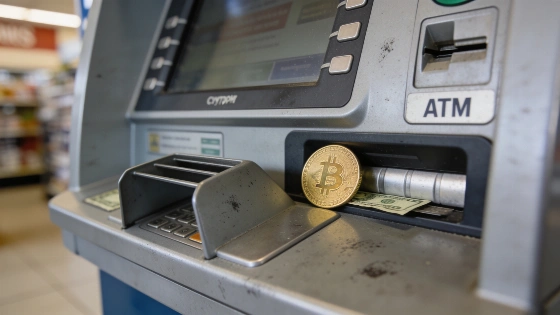
Crypto ATMs, once seen as anonymous gateways for buying and selling digital assets, are now subject to a growing web of regulations in the United States and abroad. These machines, which allow users to exchange cash for cryptocurrencies like Bitcoin or withdraw crypto as cash, are increasingly treated as regulated financial services rather than simple vending machines. For operators and users alike, the regulatory landscape is shifting toward stricter identity checks, anti-money laundering (AML) controls, and consumer protection measures.
Regulatory Pressures and State-Level Differences
In the U.S., the Financial Crimes Enforcement Network (FinCEN) classifies most crypto ATM operators as Money Services Businesses (MSBs) if they facilitate money transmission. This means operators must register with FinCEN, implement AML programs, and file reports on suspicious activity. But federal registration is only the starting point. Many states impose their own licensing requirements, daily transaction limits, and fraud-prevention rules. For example, Arizona and Colorado have enacted laws capping daily transactions at $2,000 for new customers and $10,500 for existing ones, while Florida's framework-set to take effect in 2027-adds mandatory fraud warnings and refund policies. These state-level differences mean that compliance is not uniform across the country, and operators must navigate a patchwork of overlapping obligations.
KYC, AML, and Transaction Monitoring
Know Your Customer (KYC) and AML requirements are central to crypto ATM regulation. Operators are expected to collect and verify customer information, such as name, address, date of birth, and government-issued ID, especially for larger or higher-risk transactions. Ongoing transaction monitoring is required to detect patterns that may indicate money laundering, fraud, or other illicit activity. FinCEN guidance highlights red flags like repeated transfers to the same wallet, structuring transactions to avoid reporting thresholds, or activity inconsistent with a customer's profile. Suspicious Activity Reports (SARs) must generally be filed within 30 days of detecting suspicious behavior. These controls are designed to make it harder for criminals to exploit crypto ATMs for laundering funds or running scams.
Fraud Prevention and Consumer Protection
Regulators are increasingly focused on consumer fraud, not just financial crime. Scammers have used crypto ATMs to trick victims into sending funds by impersonating banks, government agencies, or tech support. In response, some states now require operators to display scam warnings, issue receipts, and offer conditional refunds for fraudulently induced transactions. Blockchain analytics tools are also being used to screen wallet addresses for links to known scams or illicit activity. The regulatory trend is toward combining traditional AML controls with direct consumer safeguards, making it more difficult for fraudsters to operate undetected.
Globally, approaches vary. The European Union's Markets in Crypto-Assets Regulation (MiCA) sets out common requirements for crypto-asset service providers, but national rules still apply. In the UK, the Financial Conduct Authority (FCA) has effectively banned unregistered crypto ATMs, stating in July 2025 that none were operating legally. Australia, meanwhile, suspended a major operator's license in 2026 after finding ongoing compliance failures, following the introduction of a $5,000 cash transaction cap and mandatory scam warnings.
According to research cited by the Federal Reserve Bank of Kansas City, total fees for crypto ATM transactions can reach 20% in some cases, though actual costs vary by operator and location. Disclosure rules may require operators to display exchange rates, total fees, wallet information, and refund policies, helping users understand the true cost of using these machines.
As regulatory scrutiny intensifies, crypto ATM operators must treat compliance as an ongoing process, not a one-time hurdle. Registration, licensing, KYC, AML, transaction monitoring, and fraud controls are all subject to change as new risks emerge and enforcement actions increase. For a broader look at how regulatory transparency is evolving in crypto, see EgonCoin's coverage of expanded reserve audits for tokenized assets.
FinCEN reported that U.S. financial institutions filed over 20 million Bank Secrecy Act reports in fiscal 2019, illustrating the scale of compliance infrastructure-not just for crypto ATMs, but for the entire financial system. Operators who fail to meet regulatory standards risk fines, license suspension, or being shut down entirely.
For users, stricter rules mean less anonymity and more identity checks, but also greater protection against scams and fraud. Still, compliance does not guarantee safety: users should remain cautious, especially if instructed by strangers to send funds through a crypto ATM.
Crypto ATM regulation is evolving rapidly, with new rules, enforcement actions, and compliance expectations emerging at both the state and federal levels in the U.S., as well as internationally. Operators and users should stay informed about changing requirements and understand that regulatory approval is not permanent or universal.
Crypto ATMs remain a small but visible part of the digital asset ecosystem. According to CoinATMRadar, there were over 30,000 Bitcoin ATMs operating worldwide as of June 2026, with the majority located in the United States. However, the number of active machines has fluctuated as regulatory pressure and compliance costs have increased, leading some operators to exit the market or consolidate operations.
Crypto ATM regulation highlights the tension between financial innovation and the need for oversight. While these machines offer convenience and access to digital assets, they also present unique risks related to cash handling, irreversible transactions, and potential abuse by criminals. As rules evolve, both operators and users must adapt to a landscape where compliance is increasingly non-negotiable and regulatory expectations continue to rise.