Gate P2P lets users buy and sell crypto directly with fiat currencies using over 450 payment methods, offering zero platform fees and escrow protection for peer-to-peer trades across 80 countries
Gate P2P, the peer-to-peer trading platform from Gate.com, is positioning itself as a global venue for buying and selling cryptocurrency directly with fiat currencies-without charging platform fees. Unlike traditional spot exchanges that match orders through a centralized book, Gate P2P connects individual buyers and sellers, holding crypto in escrow until both sides confirm payment. The platform claims to support more than 450 payment channels in roughly 80 countries, making it accessible even in regions where conventional exchanges face restrictions.
How Gate P2P Works
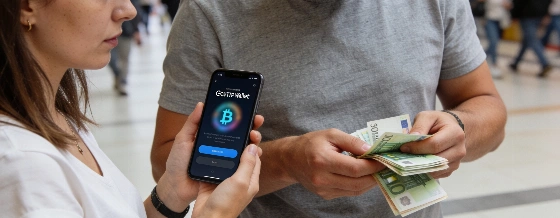
Peer-to-peer (P2P) crypto trading allows users to negotiate directly with one another, setting their own prices and payment terms. On Gate P2P, sellers post offers specifying the crypto asset, price, payment methods, and transaction limits. Buyers select an offer, transfer fiat using the agreed method-such as bank transfer or mobile wallet-and mark the payment as sent. Gate.com holds the crypto in escrow until the seller confirms receipt of funds, then releases the asset to the buyer. This process is designed to reduce counterparty risk, but users are advised to verify payment before releasing crypto to avoid fraud.
Gate P2P supports trading in USDT, BTC, USDC, ETH, and DOGE, with no platform commission for either party. Verified sellers can earn trust badges like "Blue V" or "Crown" based on trading volume and completion rates, helping buyers identify reliable counterparties. The platform also offers 24/7 support and a dispute resolution process that reviews chat logs and payment evidence if a transaction is contested.
User Requirements and Verification
To access Gate P2P, users must complete a know-your-customer (KYC) process, uploading a passport or government-issued ID and passing facial recognition. Approval times vary by region and document quality, ranging from minutes to several days. Sellers seeking higher trading limits or merchant status must meet additional requirements, including VIP 3 status and a minimum balance of 5,000 USDT or 5,000 GT tokens. Enhanced verification unlocks higher transaction limits and priority support, while users in regions with limited banking access may find P2P trading their only practical option for acquiring crypto.
Gate P2P's flexibility extends to payment methods, allowing sellers to offer multiple options and set either fixed or floating prices. The platform's ecosystem also includes spot trading for over 4,500 cryptocurrencies, margin trading, and perpetual futures, with Gate.com ranking among the top five global spot exchanges by 24-hour volume.
Fees, Risks, and Dispute Handling
Gate P2P advertises zero platform fees for all trades, distinguishing itself from competitors like Bybit and Bitget, which charge seller commissions. However, users may still incur external costs, such as bank or payment processor fees, currency spreads, and blockchain network fees for withdrawals. In some jurisdictions, regulatory rules may delay crypto withdrawals for up to 24 hours after a fiat purchase.
Common issues include delayed payments, incomplete transfers, or disputes over receipt of funds. Gate.com's escrow system is intended to protect both parties, but users are cautioned to communicate only through the platform and ensure that payment account names match KYC details. If a dispute arises, both sides can submit evidence for review. For additional context on how crypto can be used for everyday payments, see this analysis of crypto cards converting digital assets at the point of sale.
Gate.com claims to maintain 100% user asset reserves, with reported reserves reaching $10.25 billion as of June 2026. The company holds licenses in Malta, Italy, Dubai, and Australia, and has expanded its regulatory footprint with acquisitions and new registrations in Japan and the EU. Gate P2P's zero-fee model and broad payment support have contributed to a reported user base exceeding 30 million and a 5.7% increase in P2P conversion rates in Q2 2025, according to company data.
Practical Steps for New Users
To start trading on Gate P2P, users must first complete identity verification with a clear photo of their ID. After approval, they can browse P2P offers in their local currency, filter by payment method and price, and initiate a small test transaction to become familiar with the process. Prospective sellers should review merchant requirements and ensure they meet balance and VIP criteria before applying for seller status. Gate.com's support team is available to assist with verification issues, payment disputes, and platform navigation.
According to Gate.com, the platform's multi-layered seller system, escrow protection, and regulatory licenses are intended to build user trust and expand access to crypto trading in markets underserved by traditional exchanges. As with any P2P platform, users should remain vigilant for fraud risks, verify counterparties, and understand all external fees before committing to a trade.
Gate.com's reported reserves reached $10.25 billion in June 2026, according to company disclosures. The platform claims more than 30 million users and supports over 450 payment channels for P2P trading. In Q2 2025, Gate.com reported a 5.7% increase in P2P conversion rates, attributing the growth to its zero-fee policy and expanded payment options. Gate.com holds regulatory licenses in Malta, Italy, Dubai, and Australia, and completed the acquisition of a licensed Japanese exchange in 2024.
Peer-to-peer crypto trading platforms like Gate P2P offer an alternative to centralized exchanges by enabling direct transactions between users, often with greater flexibility in payment methods and pricing. However, P2P trading introduces unique risks, including the potential for payment fraud, disputes, and delays. Escrow systems can mitigate some risks, but users must still verify counterparties and payment details. Regulatory requirements, such as KYC and withdrawal restrictions, may also affect the user experience and transaction speed. Understanding these trade-offs is essential for anyone considering P2P crypto trading as a way to access digital assets or liquidity.