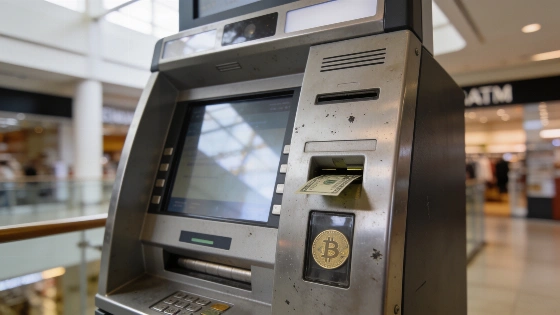
Australia's crypto ATM sector faces strict AUSTRAC oversight, including cash limits, enhanced customer checks, and mandatory scam warnings, as regulators respond to rising financial crime risks and rapid growth in machine installations.
Australia's crypto ATM industry has come under heightened regulatory scrutiny as authorities respond to a surge in machine installations and mounting evidence of their use in scams and illicit fund transfers. The Australian Transaction Reports and Analysis Centre (AUSTRAC) now enforces strict anti-money laundering and counter-terrorism financing (AML/CTF) requirements on crypto ATM operators, treating them as regulated virtual asset service providers (VASPs) under the AML/CTF Act 2006.
AUSTRAC's Expanding Oversight
Crypto ATM operators in Australia must register with AUSTRAC and implement robust AML/CTF controls, including customer identification, transaction monitoring, and suspicious activity reporting. Registration is only the first step: operators are required to conduct ongoing due diligence, enforce cash deposit and withdrawal limits, and display mandatory scam warnings to users. AUSTRAC's Cryptocurrency Taskforce, established in December 2024, was a direct response to the rapid expansion of crypto ATMs and growing financial crime risks. The agency can refuse, condition, or suspend an operator's registration if compliance lapses are found, effectively shutting down machines until issues are resolved.
Key Rules and Market Impact
AUSTRAC has imposed a cash cap of A$5,000 (about $3,300) per deposit or withdrawal at crypto ATMs, alongside enhanced customer checks and real-time scam alerts. Operators must monitor for suspicious patterns, such as repeated deposits or transfers to high-risk wallets, and file suspicious matter reports when required. These measures are designed to disrupt common scam tactics, where victims-often older Australians-are instructed to deposit large sums into ATMs that convert cash to cryptocurrency sent directly to a scammer's wallet. According to AUSTRAC, up to 10% of crypto ATM transactions reviewed by its taskforce showed signs of illicit activity, with users over 50 accounting for a significant share of transaction value.
Enforcement and Industry Response
AUSTRAC's enforcement powers are not theoretical. In August 2026, the regulator suspended Cryptolink's VASP registration for three months, disabling its network of 96 crypto ATMs after ongoing concerns about high-risk transactions and reporting failures. This action demonstrated that registration is not a permanent license to operate-ongoing compliance is mandatory. Industry data shows that Australia's crypto ATM count grew from just 23 machines in 2019 to more than 1,800 by mid-2025, processing an estimated A$275 million (about $180 million) annually. Despite this growth, a 2025 industry webinar cited by Crystal Intelligence found that 87% of surveyed participants had never used a crypto ATM, highlighting limited adoption relative to overall crypto ownership.
Fees, Risks, and User Experience
Crypto ATM fees in Australia typically range from 6.5% to 15% per transaction, according to industry commentary, far higher than most online exchanges. These fees are not set by AUSTRAC and can vary by operator and location. For users, the process differs from online trading: cash is inserted into a physical machine, which may apply separate fees, identity checks, and transaction limits. The regulatory focus is on the business operating the ATM, not the machine itself. This approach aligns with broader efforts to address crypto-related scams and fraud, as discussed in EgonCoin's analysis of crypto trading risks that can wipe out capital, where operational and security threats can have lasting financial consequences.
AUSTRAC's rules are part of a wider push to bring crypto on-ramps and off-ramps in line with traditional financial sector standards. Operators must not only register but also demonstrate ongoing risk management, respond to regulatory information requests, and adapt controls as new threats emerge. The agency's ability to suspend or revoke registration means that non-compliance can quickly lead to a loss of business for ATM providers.
As of June 2025, AUSTRAC reported that nearly 150,000 crypto ATM transactions were processed annually in Australia, moving about A$275 million through the sector. The number of machines grew from 23 in 2019 to over 1,800 by mid-2025, reflecting rapid expansion and increased regulatory attention. AUSTRAC's taskforce estimated that up to 10% of transactions could be linked to illicit activity, underscoring the sector's vulnerability to scams and money laundering.
Crypto ATM regulation in Australia highlights the challenges of balancing user access with financial crime prevention. While the machines offer a physical on-ramp for cash-based users, they also create opportunities for scammers to exploit victims who may not be familiar with cryptocurrency risks. The combination of cash limits, enhanced due diligence, and mandatory scam warnings is intended to reduce these risks, but enforcement actions show that compliance failures can have immediate operational consequences for providers.