Bitcoin ATM users face different identity checks and transaction caps depending on state law, operator policy, and fraud controls. U.S. rules, operator risk models, and cash availability all shape how much crypto you can buy or withdraw.
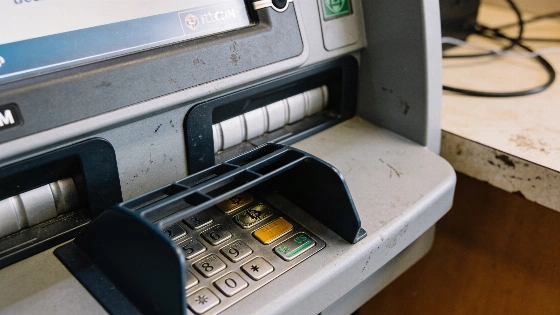
Bitcoin ATMs have become a familiar sight in convenience stores and shopping centers across the U.S., offering a quick way to buy or sell cryptocurrency for cash. But for users, the experience can vary dramatically from one machine to the next. The amount you can transact, and the identity checks you must complete, depend on a complex mix of federal and state regulations, operator policies, transaction size, and fraud-prevention measures.
Regulation and Operator Policy
There is no single, universal rule for how much you can buy or sell at a Bitcoin ATM before identity verification is required. In the U.S., federal anti-money laundering (AML) laws require operators to register as Money Services Businesses and implement Know Your Customer (KYC) programs. But state laws can add further requirements or set stricter daily transaction limits. For example, California law caps Bitcoin ATM transactions at $1,000 per customer per day, while Arizona allows up to $2,000 for new customers and $10,500 for existing ones. Some states, like Indiana, have banned crypto kiosks entirely. Operators must build their compliance systems around these legal frameworks, but they can also impose tighter limits or require more verification than the law demands if their risk models or banking partners require it.
Verification Tiers and Transaction Size
Most Bitcoin ATM operators use a tiered approach to identity checks. Small transactions may only require a phone number and basic information, while larger amounts trigger requests for government-issued ID, selfies, or additional documentation. The thresholds for these checks are not standardized. One operator might require ID for transactions above $250, while another sets the bar higher or lower. Some companies, like CoinFlip and Bitcoin Depot, publicly describe these verification tiers, but the details can change by location and over time. Enhanced verification is often required for larger transactions, repeated activity, or patterns that suggest higher risk, such as structuring transactions to avoid reporting thresholds.
Fraud Controls and Cash Limits
Fraud prevention is now a major driver of tighter limits at Bitcoin ATMs. Regulators and operators have responded to a rise in scams targeting older adults and vulnerable users, where criminals instruct victims to deposit cash into a Bitcoin ATM and send crypto to a scammer's wallet. Completing KYC does not guarantee a transaction will go through if the operator's monitoring system flags suspicious behavior, such as rapid repeated transactions, multiple wallets, or attempts to split a large transfer into smaller amounts. Operators may freeze transactions, require additional questions, or escalate cases for regulatory reporting. Physical cash availability is another constraint: two-way ATMs can only dispense as much cash as is loaded in the machine, so withdrawal limits may be lower than the user's KYC tier allows.
International Differences and Enforcement
Outside the U.S., similar patterns emerge. In Canada, federal rules require identity verification for virtual currency transactions of C$1,000 or more, but operators may set stricter policies. In August 2026, Australian regulator AUSTRAC suspended Cryptolink's registration, shutting down 96 crypto ATMs for failing to meet reporting obligations on high-risk transactions. These enforcement actions highlight that compliance is not just about collecting IDs at the kiosk-operators must maintain robust monitoring, reporting, and risk controls behind the scenes. Users should not assume that limits or verification steps at one machine will apply elsewhere, even within the same country.
According to the Federal Trade Commission, scams involving Bitcoin ATMs have disproportionately affected older adults. In the first half of 2024, people aged 60 and older were more than three times as likely as younger adults to report losses through these machines, and over two-thirds of reported dollars lost came from this age group. Regulators and operators have responded by tightening daily limits and adding warning screens to disrupt scam attempts.
Crypto ATM KYC and transaction limits are shaped by overlapping legal, operational, and physical constraints. For users, the practical takeaway is to check the specific requirements and limits at the machine and operator before bringing cash or planning a transaction. Completing identity verification may qualify you for higher limits, but it does not override state law, operator policy, fraud controls, or the cash available in the machine.
While KYC programs are designed to reduce anonymity and help operators comply with AML rules, they do not eliminate the risk of fraud or money laundering. Identity documents can be misused, and scam victims may complete verification while following a criminal's instructions. Transaction limits can reduce the size of a potential loss, but criminals may try to bypass them by splitting transactions or using multiple operators. For legitimate users, stricter limits can make large transactions less convenient, forcing a balance between access and security.