
Blockchain Infrastructure
211 stories
XRP Ledger Upgrade Forces Outdated Servers to Update or Disconnect
A major XRP Ledger protocol update has gone live, enforcing new transaction rules and putting non-updated servers at risk of being blocked as the network prepares for a future lending protocol rollout.

Banks race to keep corporate cash with instant tokenized dollar transfers
DBS and Citi used tokenized deposits to move dollars between Singapore and the US in minutes via SWIFT's digital ledger, aiming to cut cross-border settlement delays and reduce the need for costly prefunding by corporate clients
Blockstream Rejects $50 Million Bounty After Liquid Network Exploit
Blockstream has refused a $50 million bounty demand from the Liquid attacker, recovering most of the stolen Bitcoin but leaving nearly 600 BTC missing and the network's peg suspended.
Tokenization Pushes Blockchain Into Core Financial Infrastructure
Tokenization is moving beyond digital asset wrappers as banks and institutions test blockchain for payments, settlement, and collateral. The real impact may be measured in reduced friction and capital costs-not just on-chain volume.
Quantum Threats Force Blockchain to Rethink Security Foundations
Quantum computing is set to break today's blockchain signatures. Lattice Jolt, a16z's new cryptography project, claims faster quantum-resistant proofs but brings new costs and migration headaches for wallets, nodes, and smart contracts.
Telegram Turns Usernames Into On Chain Assets With Fragment Marketplace
Telegram's official Fragment marketplace lets users buy and sell collectible usernames, anonymous numbers, Premium subscriptions, and Stars as blockchain assets on TON. Every transaction settles in Toncoin and is recorded on chain.
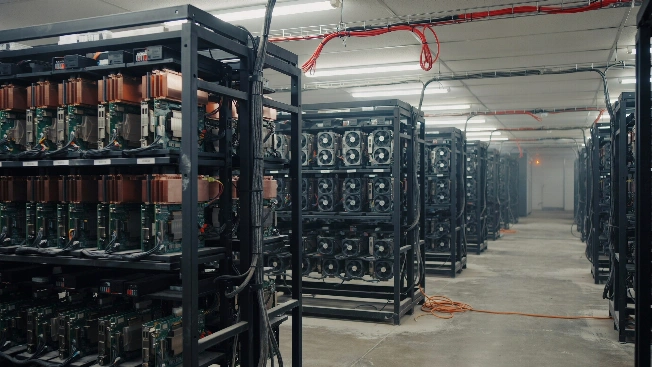
Bitcoin Mining Dominates HIVE Revenue as AI Ambitions Face Reality
HIVE Digital Technologies says its AI cloud business is now generating daily revenue but Bitcoin mining still accounts for over 90 percent of the company's income as it navigates a high-stakes transition

Lattice Jolt Brings Post Quantum Security to Zero Knowledge Proofs
Lattice Jolt swaps elliptic curve cryptography for lattice based commitments, targeting post quantum security and faster zero knowledge proofs for blockchain and privacy applications

Qivalis Euro Stablecoin Alliance Puts European Banks on Blockchain
Qivalis brings 37 European banks together to launch a fully reserved euro stablecoin for on-chain payments and settlements, aiming to challenge dollar dominance and reshape digital finance infrastructure across the EU
MarsCat Super App pushes AI and Web3 into one ecosystem
MarsCat launches an AI-powered Web3 app that merges private chat, wallet access, and DApp discovery under one roof. The MCAT token underpins services and incentives but faces early-stage and utility risks as the project expands.

Solana's Faster Blocks Reshape Arbitrage and Validator Economics
Solana's mainnet now produces blocks every 300 milliseconds, aiming to limit arbitrage losses for liquidity providers but raising validator costs and intensifying competition among trading bots and market makers
Layer 2 Profits Expose Ethereum's Settlement Dilemma
Layer 2 networks are raking in sequencer fees and user activity is surging, but Ethereum's protocol value is not keeping pace. The real stakes lie in who controls settlement, data, and lasting ETH demand as L2s rewrite the economics of scaling.

Bitcoin Core Lightning Docker flaw exposes nodes to silent security risk
A packaging error in Core Lightning's Docker images left node operators running unpatched binaries that falsely reported as updated, forcing users to check image digests to ensure security fixes are in place before the embargoed source code is released

Arbitrum One and Robinhood Chain Set Different Rules for Ethereum Layer 2
Arbitrum One and Robinhood Chain both run on Ethereum Layer 2 but diverge on governance, revenue, and application focus. Users face different trade-offs in speed, token rights, and access to tokenized assets depending on which network they choose

Arbitrum Faces Revenue Surge and Security Trade-Offs on Ethereum
Arbitrum's Layer 2 network posted $6.19 million in revenue for early 2026, but its single Sequencer, week-long withdrawal delays, and reliance on Ethereum's data market expose users to unique risks and operational bottlenecks

Privacy Tokens Force Rethink of Blockchain Transparency and Compliance
A surge in privacy token market caps is exposing the limits of full blockchain transparency as institutions demand new infrastructure that balances verifiability with selective data protection
Salesforce Pushes AI Agents and Data Cloud Beyond Traditional CRM
Salesforce is betting on AI agents and unified data to redefine enterprise software. Its latest financials show rapid growth in Agentforce and Data 360, but the shift brings new risks and competition for U.S. businesses and investors.

Ethereum Developers Face Hard Choices as Quantum Deadline Looms
Ethereum's push for quantum resistance by December 2029 is forcing developers to drop or delay features, reshaping the network's upgrade roadmap and putting security ahead of optional improvements

Cardano Faces Economic Test as Leios Upgrade Expands Network Capacity
Cardano's Leios upgrade delivered a sixfold boost in testnet throughput but left a critical question unresolved-can real user demand fill the new blockspace and sustain staking rewards as ADA reserves dwindle
Canopy Launches AI Blockchain Platform With Nested Chain Architecture
Canopy introduces a blockchain platform that lets developers build application-specific networks using AI tools. The project's Nested Chains model aims to give each app its own rules and economics, raising new questions about customization and risk.

SEC Targets Blockchain Recordkeeping With Overhaul of Transfer Agent Rules
The SEC is moving to update transfer agent rules for the digital age, proposing new requirements for blockchain-based securities, electronic records, and risk management that could reshape how tokenized stocks are tracked and regulated in the US

Solana Requires More Validators Than Bitcoin for Network Control
A new ARK Invest and Glassnode report finds Solana needs 19 validators to reach a critical control threshold, compared to just three for Bitcoin and Ethereum, but shared software and infrastructure risks still threaten network resilience
NetNet Launches Reserve Token With Hard USDG Floor on Robinhood Chain
NetNet introduces a reserve-backed token on Robinhood Chain, enforcing a strict 1 USDG risk-free value per NET and separating real-world asset activity from on-chain reserves. Immutable formulas and permissionless operations define every key mechanism.
SEC Targets Blockchain Transfer Agents With New Recordkeeping Demands
The SEC's 2026 proposal would force transfer agents to report blockchain-based securities activity, raising the stakes for tokenized share registries and compliance teams navigating on-chain recordkeeping

Stablecoins Push Card Networks to Rethink Liquidity and Settlement
Stablecoins are moving from crypto rails to real-world payments, forcing card networks and banks to confront 24/7 liquidity gaps and working capital demands as settlement volumes surge and new infrastructure models emerge

Solana Rent Cut Plan Threatens Key Reason to Hold SOL
Solana's phased rent reduction could free up millions in locked SOL and lower the barrier for new accounts, but the move may also erode a core driver for holding the token as network storage demand decouples from SOL reserves

Wall Street Turns Data Center Power Into a Traded Bond Market
Wall Street is securitizing data centers and their power infrastructure as AI's energy needs surge, creating a $61 billion bond market where electricity supply and tenant credit drive investor returns
Robinhood Chain faces outage as stock token backlash intensifies
Robinhood Chain halted block production for 14 minutes during a surge in onchain stock token activity, triggering legal threats from AMC and raising questions about the risks of tokenizing equities without company involvement

Firo Hard Fork Forces Urgent Node Upgrade After Inflation Flaw
Firo node operators and service providers have only hours to upgrade before a critical hard fork disables older software and patches a flaw that could allow unlimited token creation through Spark transactions

BIS Prototype on XRP Ledger Shows Why Supply Squeeze Is Unlikely
A new Bank for International Settlements prototype uses the XRP Ledger to verify official statistics, but its design sharply limits the amount of XRP burned-challenging the idea that institutional adoption will drive major token scarcity
Page 1 of 8