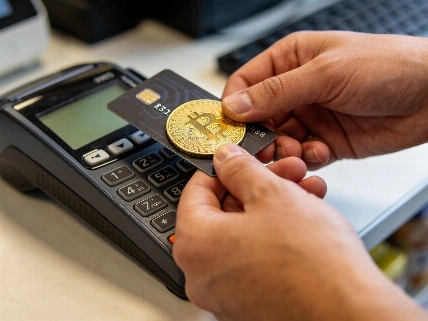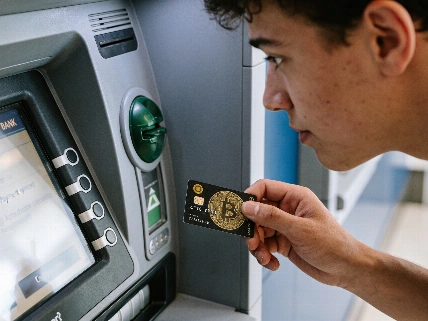

Crypto-linked cards like U Card are streamlining international consumer payments by connecting digital assets to global card networks, offering faster transactions and new options for spending stablecoins abroad
Crypto-linked payment cards are emerging as a practical alternative for international consumer spending, especially for users holding stablecoins or other digital assets. Unlike traditional bank transfers, which are designed for moving larger sums between accounts and often require detailed recipient information, crypto cards such as U Card focus on enabling fast, small-value payments directly at merchants or ATMs worldwide. This shift is particularly relevant for U.S. users who need to pay for travel, online subscriptions, or cross-border e-commerce without relying on conventional banking rails.
Consumer Payments vs. Bank Transfers
Traditional bank transfers remain the standard for sending large amounts to transparent, verified recipients-such as paying tuition, settling invoices, or transferring funds between personal accounts. These transactions typically involve multiple intermediaries, can take several days to settle, and often incur explicit fees at each step. In contrast, crypto cards are optimized for frequent, lower-value transactions where speed and convenience matter more than detailed settlement records. For example, paying for a taxi ride abroad or subscribing to a foreign SaaS service is often easier with a card than with a wire transfer.
With a crypto card, users can top up their balance using stablecoins or other supported digital assets, convert those funds into a spendable card balance, and transact through established global card networks. This process usually bypasses the need for a local bank account in the destination country, reducing friction for users who already hold digital assets. While conversion and verification steps remain, the overall payment flow is typically shorter and more immediate than a bank transfer.
How Crypto Cards Work Internationally
The typical cross-border payment process with a crypto card involves four main steps: funding the card with digital assets, converting those assets into a fiat-denominated card balance, connecting to a global payment network (such as Visa or Mastercard), and completing the transaction at a foreign merchant or ATM. For cash withdrawals, additional requirements may apply, such as having a physical card, ATM compatibility, and daily withdrawal limits. The success of each transaction depends on network support, conversion transparency, merchant acceptance, and compliance with regional risk policies. Any failure in this chain-such as unsupported merchants or insufficient verification-can result in declined transactions or inaccessible funds.
Virtual cards are often sufficient for online subscriptions and digital purchases, while physical cards with chip or contactless capabilities are more practical for in-person spending during travel. Users should be aware that not all regions, merchants, or ATM operators will accept every crypto card, and some may impose additional fees or restrictions.
Fees, Speed, and Access Barriers
Fee structures differ significantly between crypto cards and bank transfers. Bank transfers typically involve explicit sending fees, intermediary charges, and delays due to compliance checks and settlement schedules. Crypto cards, on the other hand, may charge conversion spreads, network fees, ATM withdrawal fees, and account maintenance charges, depending on the issuer's policies. While card payments are usually authorized instantly at the point of sale, the underlying settlement may still occur in batches, and users should review the full fee schedule before relying on a card for international use.
Access barriers also differ. Bank transfers require a stable banking relationship, accurate recipient details, and supporting documentation. Crypto cards require users to understand supported funding assets, conversion rates, and regional acceptance. For those already holding stablecoins, the card route may be more straightforward, but it is not universally simpler-especially for users unfamiliar with digital asset management or card network rules.
Best Use Cases and Limitations
Crypto cards are best suited for international travel expenses, recurring online subscriptions, cross-border e-commerce, and frequent small payments-especially for freelancers, remote workers, or consumers who regularly spend in foreign currencies. The main advantage is direct access to global payment networks without the need to convert assets through a local bank account for each transaction. However, for large payments to companies, educational institutions, or government agencies, traditional bank transfers remain the preferred method due to their transparency, documentation, and auditability.
Risks and limitations persist. Crypto cards may be subject to regional restrictions, merchant acceptance issues, ATM compatibility problems, and enhanced risk monitoring for cross-border activity. Users should verify their card's supported regions, spending limits, and required verification levels before traveling or making significant purchases. Unexpected conversion spreads, repeated transaction failures, or surprise ATM fees can erode the convenience advantage if not anticipated.
According to data from Visa and Mastercard, global card networks processed over $20 trillion in consumer payments in 2025, with a growing share attributed to crypto-linked cards and digital wallets. While precise figures for U Card and similar products are not publicly disclosed, industry research indicates that stablecoin-funded cards are gaining traction among international travelers and remote workers, particularly in regions with limited access to traditional banking services.
Crypto cards do not eliminate regulatory, issuer, or merchant risks. They provide a payment pathway for most cross-border consumer needs, but bank transfers retain advantages for account-to-account settlements. Choosing the right tool depends on the recipient type, transaction size, speed requirements, and documentation needs.
Understanding the distinction between consumer payments and account transfers is critical for anyone navigating international crypto finance. Crypto cards offer a bridge between digital assets and everyday spending, but their effectiveness depends on network support, regional policies, and user awareness of fees and restrictions. As adoption grows, users should remain vigilant about operational risks, regulatory changes, and the evolving landscape of cross-border digital payments.