
Payments
96 stories
Banks race to keep corporate cash with instant tokenized dollar transfers
DBS and Citi used tokenized deposits to move dollars between Singapore and the US in minutes via SWIFT's digital ledger, aiming to cut cross-border settlement delays and reduce the need for costly prefunding by corporate clients
Tokenization Pushes Blockchain Into Core Financial Infrastructure
Tokenization is moving beyond digital asset wrappers as banks and institutions test blockchain for payments, settlement, and collateral. The real impact may be measured in reduced friction and capital costs-not just on-chain volume.

Qivalis Euro Stablecoin Alliance Puts European Banks on Blockchain
Qivalis brings 37 European banks together to launch a fully reserved euro stablecoin for on-chain payments and settlements, aiming to challenge dollar dominance and reshape digital finance infrastructure across the EU

Tether's AI Wallet Ambition Puts Spending Limits on Developers
Tether's push to let AI agents spend stablecoins through local wallets shifts the burden of enforcing spending limits onto developers, raising new questions about security, user control, and the practical risks of automation

Stablecoins Push Card Networks to Rethink Liquidity and Settlement
Stablecoins are moving from crypto rails to real-world payments, forcing card networks and banks to confront 24/7 liquidity gaps and working capital demands as settlement volumes surge and new infrastructure models emerge

Gate KYC Rules Decide Who Gets Access to Crypto Services
Gate users face strict identity verification that can block deposits, withdrawals, fiat access, card applications, and stock trading. Regional rules and product-specific checks mean passing KYC once does not guarantee full platform access

Gate Account Setup Now Demands Precision as Product Access Splinters
Opening a Gate account is no longer a one-size-fits-all process. From KYC to sub-accounts and regional restrictions, users must navigate a maze of requirements before accessing trading, stocks, cards, or payment features.
Gate Card vs Gate Pay: Crypto Payment Tools Face Real-World Trade-Offs
Gate Card and Gate Pay both promise to bridge crypto with global payments, but their differences in fees, asset support, and settlement reveal why users and merchants must scrutinize the fine print before relying on either for cross-border transactions

Banks Move to Issue Stablecoins, Redefining Crypto's Financial Role
Major banks are preparing to launch their own dollar-backed stablecoins, aiming to control on-chain payments and settlement. This shift could reshape how dollars move globally and challenge crypto-native issuers' dominance.

21 Global Banks Target 2027 for Launch of Dollar Stablecoin
A consortium of 21 major banks, including Bank of America and Citi, plans to launch a U.S. dollar stablecoin for payments and settlements in 2027, aiming to challenge existing leaders and reshape the stablecoin market.
Crypto Payments or Bank Transfers in 2026: Which Moves Money Faster
Stablecoins now move billions across borders in seconds, but hidden costs and compliance hurdles remain. Domestic bank rails have caught up on speed, leaving the real contest in international payments and business workflows.

Crypto Payment Settlement: How Digital Funds Become Usable Cash
Crypto payments don't settle in a single step. From blockchain confirmation to provider checks and final payout, each stage introduces unique risks, timing, and operational trade-offs for merchants and users navigating digital asset transactions.
Japan FSA Pushes to End Tax Filings for Trust Stablecoins by 2027
Japan's top financial regulator wants to exempt trust-type stablecoins from annual tax filings, arguing that current rules block practical payment use and don't fit assets that generate no income for holders
How Card, Bank Transfer, and P2P Payments Differ for Crypto Users
Card payments, bank transfers, and P2P apps each offer distinct advantages and risks for moving money into, out of, or across crypto platforms. Understanding their speed, cost, and protections is critical for choosing the right method.
How Crypto On-Ramps and Off-Ramps Move Money In and Out
Crypto on-ramps and off-ramps determine how easily users and businesses can convert between traditional money and digital assets, shaping access, fees, and compliance for U.S. and global participants
Ethena Pay Launches Beta in 48 Countries With USDe Savings and AVAX Rewards
Ethena Pay, a self-custodial neobank app built on Avalanche, is now in beta across 48 countries, offering USDe-denominated savings with up to 6% APY and AVAX cashback, but remains unavailable in the U.S. and EU pending regulatory approval

UK Targets Russia-Linked Crypto Flows With Tougher Sanctions Fines
Britain is expanding its crackdown on Russia-linked crypto transactions, urging banks and crypto firms to trace complex payment routes and proposing fines up to 100% of breach value for sanctions violations

B.AI Hits 2 Trillion Tokens as Free Compute Fuels Developer Surge
B.AI's free-access campaign pushed its cumulative token throughput past 2 trillion, highlighting the platform's push for scalable, cost-efficient AI compute and intensifying competition among infrastructure providers
Gate Card Fees and Cashback in 2026: What U.S. Users Need to Know
Gate Card's 2026 fee structure includes a 0.9% crypto conversion fee, 0.4% FX fee, and up to 8% cashback, but costs and rewards vary by region and card type. U.S. users face a separate schedule and spending limits. Here's how the details compare
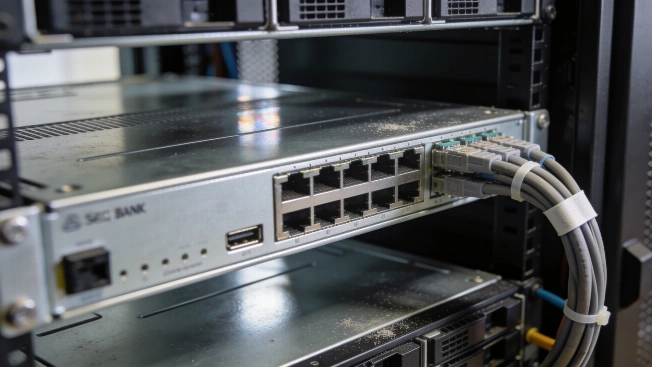
Tokenized Deposits Bring Bank Money On-Chain-But With New Risks
Tokenized deposits let banks issue blockchain-based claims on customer funds, enabling programmable payments and on-chain settlement. But their adoption raises new questions about credit risk, interoperability, and regulatory oversight in 2026.
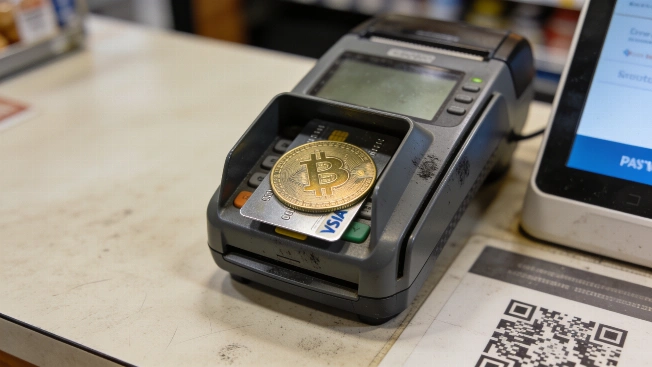
Gate Card or Gate Pay: How to Choose for Crypto Payments
Gate Card lets users spend crypto like cash at merchants, while Gate Pay offers a broader platform for sending, receiving, and managing digital-asset payments. Here's how their fees, rewards, and use cases compare for U.S. and global users

Nine Blue Chip Cryptos to Watch as 2026 Market Drivers Shift
Bitcoin, Ethereum, Solana, and stablecoins like USDT and USDC are shaping the blue chip crypto landscape for 2026, but each faces unique catalysts and risks as institutional demand, network growth, and regulatory pressures evolve

Bitcoin-Backed Down Payments Arrive With New Mortgage Option
Better Mortgage and Coinbase now let U.S. homebuyers use up to $250,000 in Bitcoin as collateral for a down payment loan, sidestepping margin calls from price swings but exposing borrowers to liquidation if payments are missed

Stablecoin Apps Shift ETH and SOL Demand to Providers, Not Users
Ethereum and Solana process trillions in stablecoin volume, but new wallet and paymaster models mean users may never see or hold native tokens, raising questions about who actually drives demand for ETH and SOL as network fees remain mandatory.
Gate Travel Lets Crypto Holders Book Hotels and Flights Directly
Gate Travel integrates hotel and flight bookings into the Gate App, allowing users to pay with over 50 cryptocurrencies or fiat. The service covers more than 190 countries and offers direct crypto payments for eligible reservations

US State Banks Plan BankChain Blockchain Network for 2027 Launch
Thirty-nine US state banking associations are forming the BankChain Alliance to develop a nationwide blockchain network for tokenized deposits and on-chain payments, aiming for a 2027 rollout and inviting broad bank participation
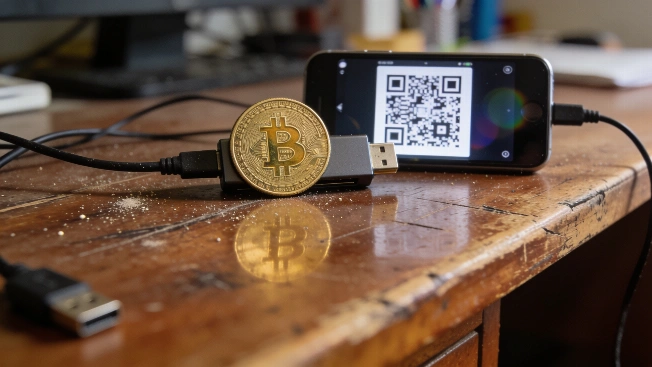
Bitcoin Payments: How to Send, Confirm, and Avoid Irreversible Errors
Sending Bitcoin for payments or transfers requires careful address verification, network selection, and fee review. Mistakes can lead to permanent loss, making step-by-step checks essential for users navigating on-chain and app-based payment flows.

Banks Turn to Tokenized Deposits to Compete With Stablecoins
U.S. banks are rolling out tokenized deposits to keep customer funds on their balance sheets, aiming to offer 24/7 programmable settlement and defend against stablecoin-driven funding pressures

Revolut Launches Euro Stablecoin EURR in Denmark, Poland, Portugal
Revolut has introduced its first euro-pegged stablecoin, EURR, to customers in Denmark, Poland, and Portugal, with plans for a broader EEA rollout. The move comes as the company phases out Tether in the region and adapts to new EU crypto rules

How TON's Sharded Blockchain Aims to Scale Payments and Apps
The Open Network (TON) uses a multi-chain, sharded design to process transactions in parallel, targeting fast payments and decentralized apps. Its architecture brings new scalability and security trade-offs for users, developers, and validators
Page 1 of 4