Thirty-nine US state banking associations are forming the BankChain Alliance to develop a nationwide blockchain network for tokenized deposits and on-chain payments, aiming for a 2027 rollout and inviting broad bank participation
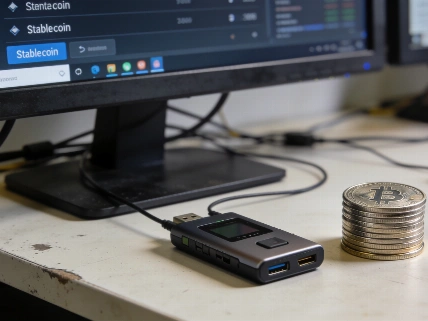
Thirty-nine US state banking associations have announced the creation of the BankChain Alliance, a new group aiming to build a nationwide blockchain network owned and governed by participating banks. The alliance, revealed on August 25, is targeting a 2027 launch for its infrastructure, which is intended to support tokenized deposits, stablecoins, programmable payment tools, and automated settlement between financial institutions. The associations behind BankChain collectively represent thousands of US banks, but no individual banks have been named as confirmed participants so far. Details on governance, funding, and technology partners remain undisclosed, with the group stating it is still evaluating potential vendors and will invite banks across the country to take ownership stakes.
Tokenized Deposits and On-Chain Payments
The BankChain Alliance plans to enable banks to issue tokenized deposits-digital representations of customer funds held on their own balance sheets-alongside stablecoins and other on-chain payment mechanisms. Unlike independently issued stablecoins, tokenized deposits are designed to maintain their status as commercial bank money, potentially allowing for programmable, 24/7 transfers while keeping customer assets within the traditional banking system. The alliance says it intends to make its network interoperable with other blockchains, but has not yet disclosed which protocols or standards it will support.
Competing Blockchain Initiatives
The US banking sector has seen a surge in blockchain-based payment and settlement projects since late 2025. In June 2026, The Clearing House, backed by major institutions including JPMorgan Chase, Bank of America, Citi, BNY, and Wells Fargo, announced its own on-chain money initiative to clear and settle tokenized deposits between member banks. Regional lenders have taken a different approach with Cari, a platform developed with Huntington, First Horizon, M&T Bank, KeyBank, and Old National, which launched a minimum viable product in March 2026 and had over 30 banks participating by July. Community banks are also experimenting with tokenized deposits through the DTX Consortium, organized by the Independent Bankers Association of Texas, which had more than 50 members as of June 2026. These efforts reflect a broader trend of US banks exploring blockchain infrastructure to modernize payments and settlement, as seen in other markets such as China's digital yuan expansion, where eight additional regional banks were recently authorized to join the network.
Consortium Stablecoins and Industry Collaboration
Stablecoin developers are also moving toward consortium models. Open Standard, for example, has reported more than 140 affiliated payments, banking, technology, and crypto companies for its Open USD (OUSD) stablecoin, which is expected to launch later in 2026. The project aims to offer fee-free minting and redemption for businesses and distribute reserve earnings to participants. These developments highlight a growing industry focus on collaborative, interoperable digital payment rails that blend traditional banking with blockchain technology.
According to public statements, BankChain's network is still in the planning phase, with no confirmed technology stack or finalized governance structure. The alliance has not responded to requests for further details about its roadmap or membership process. As the US banking sector continues to experiment with blockchain-based settlement and tokenized assets, the competitive landscape for digital payment infrastructure is likely to remain fluid through 2027.
According to data from the Federal Deposit Insurance Corporation (FDIC), as of June 2026, there were over 4,000 commercial banks operating in the United States. The state banking associations behind BankChain collectively represent a significant portion of these institutions, though the exact number of banks that will ultimately participate in the alliance's blockchain network remains uncertain.
Tokenized deposits represent a distinct category within digital assets, differing from stablecoins in both structure and regulatory treatment. While stablecoins are typically issued by non-bank entities and backed by reserves, tokenized deposits are direct digital claims on a bank's balance sheet, subject to existing banking regulations and oversight. This distinction could affect how customer funds are protected, how transactions are settled, and how interoperability with other payment systems is achieved. As US banks and regulators evaluate these models, the practical impact on payments, liquidity, and risk management will depend on the specific design choices and governance frameworks adopted by each network.