
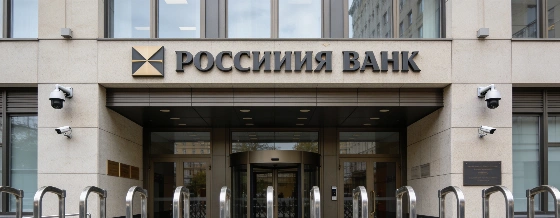
Russia's largest bank is preparing to accept USDT and ETH as collateral for crypto-backed loans, but the rollout depends on regulatory approval and comes as Sber questions demand for the digital ruble
Sber, Russia's largest bank, is preparing to expand its crypto-backed lending products by accepting Tether (USDT) and Ethereum (ETH) as collateral-pending regulatory approval. The move would add to Sber's existing acceptance of Bitcoin (BTC) for secured loans, but the timeline for implementation remains tied to the pace of Russian central bank approvals. The development signals a growing willingness among major Russian financial institutions to engage with established crypto assets, even as the country's regulatory environment remains tightly controlled.
Regulatory Gatekeeping
The expansion hinges on the Bank of Russia's formal approval of each asset for regulated domestic trading. Under a law signed by President Vladimir Putin in August, the central bank has sole authority to determine which digital assets can be listed on Russian exchanges. Earlier this month, the Bank of Russia named BTC, ETH, and USDT as initial candidates for regulated trading, citing their large market capitalizations, high trading volumes, and multi-year price histories on global markets. Sber's Deputy Chairman Anatoly Popov has stated that the bank will only proceed with new collateral options once the central bank gives the green light, and no fixed launch date has been set.
Collateralization Mechanics
Crypto-backed loans allow borrowers to pledge digital assets as security for fiat or other crypto loans. Sber's current framework already supports Bitcoin as collateral, but the bank has not disclosed what loan-to-value ratios or liquidation thresholds would apply to USDT or ETH. The process is expected to be incremental, with existing products adapted in stages as regulatory approvals are granted. The bank has not provided details on whether these products will be available to international clients or restricted to Russian residents.
Digital Ruble Faces Lukewarm Reception
While Sber is preparing to deepen its involvement with established crypto assets, it has taken a more cautious stance toward Russia's central bank digital currency (CBDC), the digital ruble. Sber's Chief Financial Officer, Taras Skvortsov, recently questioned the level of demand for the digital ruble among private-sector clients, noting limited interest from retail, corporate, and institutional customers. This contrast highlights a divide between the private sector's appetite for market-driven crypto assets and the state's push for a centrally issued digital currency.
Market Context and Implications
The Bank of Russia's dual-track approach-advancing both regulated crypto trading and the digital ruble-reflects a complex regulatory landscape. Sber's willingness to accept USDT, a fiat-backed stablecoin, and ETH, the second-largest cryptocurrency by market cap, as collateral could increase the utility of these assets for Russian users, provided regulatory hurdles are cleared. However, the lack of clarity on product terms, eligibility, and risk management means that practical impact will depend on future regulatory decisions and market demand.
As of August 29, 2026, Bitcoin was trading at $78,148 and Ethereum at $2,455, according to CoinMarketCap. These assets, along with USDT, represent the first digital assets proposed for regulated exchange listing by the Bank of Russia. Sber has indicated it will continue to adapt its product lineup as approvals progress, but has not committed to a specific launch date for the new collateral options.
Crypto-backed lending relies on the value and liquidity of the underlying collateral. If the price of the pledged asset falls below a certain threshold, borrowers may face liquidation of their holdings. Loan-to-value ratios, liquidation triggers, and eligibility criteria are critical factors that determine user risk and product viability. In tightly regulated markets like Russia, the interplay between regulatory approval and product design can significantly affect both accessibility and risk exposure for users and institutions.