
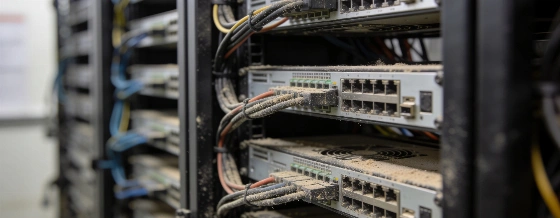
Automated crypto trading on Gate shifts order execution from manual input to system-driven strategies, including trading bots, copy trading, and AI tools. Users must weigh market risks, strategy design, and platform rules before automating trades
Automated crypto trading has become a core feature on many exchanges, offering users a way to execute trades based on predefined rules rather than constant manual input. On Gate, automation is structured around three main tools: trading bots, copy trading, and Gate AI. Each approach delegates some decision-making and execution to the platform, but the level of user control and strategy design varies.
Automation Paths on Gate
Gate's automation suite is divided into three categories. Trading bots allow users to set parameters for strategies like grid trading or portfolio rebalancing, with the system executing orders as market conditions are met. Copy trading lets users mirror the trades of a selected Lead Trader, while Gate AI provides a conversational interface for product information and strategy suggestions, but does not execute trades without user confirmation.
For example, the Spot Grid bot is a popular entry point for automation. Users select a trading pair, define a price range and grid count, and allocate capital. The bot then places buy and sell orders within the range, aiming to profit from price oscillations. If the market moves outside the set band or the user stops the bot, the system settles positions and returns assets according to the exit settings.
Key Considerations and Risks
Automating trades does not eliminate market risk or guarantee profits. Bots and copy trading strategies are only as effective as their parameters and the underlying market conditions. Users must consider capital allocation, drawdown tolerance, and whether a tool is simply assisting with decisions or executing trades automatically. Gate's automation tools still operate within the exchange's rules on order size, trading fees, and available pairs.
Common misconceptions include the belief that automation ensures steady returns or that copying a trader will produce identical results. In reality, slippage, execution delays, and differences in capital can lead to divergent outcomes. Gate AI, while useful for answering questions and providing context, does not place trades on a user's behalf without explicit action.
Practical Steps for Users
For those new to automated trading, starting with a small allocation and using recommended templates can help manage risk. Gate offers both AI-assisted and manual setup options for bots, allowing users to gradually increase complexity as they gain experience. It's important to log settings and review performance after each run, including fees, slippage, and realized gains or losses. Combining bots and copy trading is possible, but users should set clear capital limits to avoid overexposure.
Automation is best suited for users comfortable with basic order placement and parameter selection, and who are willing to monitor and adjust strategies as market conditions change. Without a solid understanding of support and resistance, grid-based strategies can be misconfigured, leading to suboptimal results.
Market Context and Platform Rules
Gate's approach to automation reflects broader trends in crypto trading, where exchanges are increasingly offering tools to reduce emotional decision-making and streamline execution. Yet, these tools do not remove the need for ongoing oversight. Delistings, margin changes, or shifts in a Lead Trader's style can all impact automated strategies. Periodic review and adjustment remain essential.
According to data from CoinGecko, as of June 2024, Gate.io ranked among the top 10 global crypto exchanges by reported spot trading volume, with daily volumes exceeding $1 billion. The platform supports hundreds of trading pairs and offers a range of automation tools, but users should be aware that reported volumes may include both retail and institutional activity, and that actual liquidity can vary by pair and time of day.
As U.S. regulators continue to debate the scope of crypto market oversight, exchanges like Gate are adapting their product offerings to comply with evolving requirements. For example, the Commodity Futures Trading Commission's recent move to draft independent crypto rules, as discussed in EgonCoin's coverage of the CFTC's regulatory efforts, may influence how automation tools are structured and offered to U.S. users in the future.
Automation in crypto trading can streamline execution and reduce emotional bias, but it does not remove the need for careful strategy design, risk management, and ongoing review. Users should approach these tools with a clear understanding of their limitations and the market context in which they operate.
Automated trading systems rely on explicit rules to trigger orders, but their effectiveness depends on the quality of those rules and the user's ability to adapt to changing market conditions. While bots and copy trading can reduce the burden of constant monitoring, they introduce new risks, including technical failures, parameter drift, and the potential for unexpected market moves. No automation tool can fully replace the need for personal oversight, compliance with platform rules, and a realistic assessment of one's own risk tolerance.