
Gate US
14 stories
Gate KYC Rules Decide Who Gets Access to Crypto Services
Gate users face strict identity verification that can block deposits, withdrawals, fiat access, card applications, and stock trading. Regional rules and product-specific checks mean passing KYC once does not guarantee full platform access

Gate Account Setup Now Demands Precision as Product Access Splinters
Opening a Gate account is no longer a one-size-fits-all process. From KYC to sub-accounts and regional restrictions, users must navigate a maze of requirements before accessing trading, stocks, cards, or payment features.

Gate Card vs Gate Pay: Crypto Payment Tools Face Real-World Trade-Offs
Gate Card and Gate Pay both promise to bridge crypto with global payments, but their differences in fees, asset support, and settlement reveal why users and merchants must scrutinize the fine print before relying on either for cross-border transactions

How Card, Bank Transfer, and P2P Payments Differ for Crypto Users
Card payments, bank transfers, and P2P apps each offer distinct advantages and risks for moving money into, out of, or across crypto platforms. Understanding their speed, cost, and protections is critical for choosing the right method.

How Crypto On-Ramps and Off-Ramps Move Money In and Out
Crypto on-ramps and off-ramps determine how easily users and businesses can convert between traditional money and digital assets, shaping access, fees, and compliance for U.S. and global participants

Gate Card Fees and Cashback in 2026: What U.S. Users Need to Know
Gate Card's 2026 fee structure includes a 0.9% crypto conversion fee, 0.4% FX fee, and up to 8% cashback, but costs and rewards vary by region and card type. U.S. users face a separate schedule and spending limits. Here's how the details compare
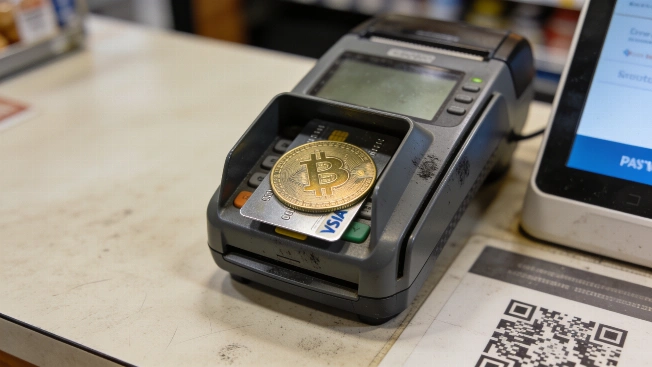
Gate Card or Gate Pay: How to Choose for Crypto Payments
Gate Card lets users spend crypto like cash at merchants, while Gate Pay offers a broader platform for sending, receiving, and managing digital-asset payments. Here's how their fees, rewards, and use cases compare for U.S. and global users

Gate Wealth and Gate Earn: How Service Models Shape Crypto Yield
Gate Wealth targets ultra-high-net-worth clients with multi-asset, relationship-driven management, while Gate Earn offers retail users self-serve crypto yield products. Understanding the differences can help users choose the right approach for their needs

How Crypto Savings Accounts Generate Yield-and What Risks Remain
Crypto savings accounts let users earn yield on idle digital assets, but returns depend on lending, staking, or other mechanisms-and come with risks not found in traditional bank accounts, including price volatility, liquidity limits, and lack of insurance

How to Buy Bitcoin on Gate: Fees, Security, and Key Steps Explained
Gate's global platform lets users buy Bitcoin with Quick Buy or spot trading, but payment methods, fees, and verification requirements vary by country. Here's what U.S. and international users need to know before making a purchase

Gate Auto Invest Brings Automated Dollar Cost Averaging to Crypto Buyers
Gate Auto Invest allows users to automate recurring crypto purchases, offering a built-in way to apply dollar cost averaging strategies. The tool supports multiple schedules and integrates with other Gate Earn products, but does not guarantee profits

Gate Institutional Expands Crypto Services for Professional Clients
Gate Institutional is consolidating trading, custody, and API access into a single platform for institutional clients, aiming to streamline execution, capital management, and security for trading teams, asset managers, and enterprise partners

Crypto Capital Gains Tax Rules Vary Sharply by Country and Transaction
Selling, swapping, or spending crypto can trigger capital gains tax, but the rules differ widely by country, holding period, and transaction type. U.S. investors face property-based taxation, while other jurisdictions apply unique regimes

Gate.com Licenses by Jurisdiction Explained for 2026
Gate.com operates through separate licensed companies in Malta, Cyprus, the U.S., Australia, Dubai, Japan and beyond. Those entities decide custody rules, product access and legal protections for retail and institutional users