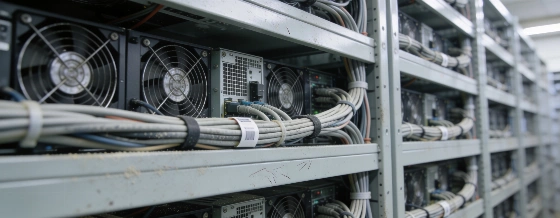
Gate's global platform lets users buy Bitcoin with Quick Buy or spot trading, but payment methods, fees, and verification requirements vary by country. Here's what U.S. and international users need to know before making a purchase
Buying Bitcoin on Gate's global platform involves more than just clicking a button. Users must navigate identity verification, payment options, and varying fees, all of which depend on their country of residence. Gate.com operates internationally, but not every feature or payment method is available everywhere, and U.S. users are directed to a separate Gate US platform with its own regulatory requirements. Understanding these distinctions is essential for anyone considering a Bitcoin purchase through Gate.
Account Setup and Verification
To start, users need to create an account on the official Gate website or app, selecting their country or region and providing either an email address or mobile number. After setting a strong password and verifying their contact information, users are prompted to complete identity verification (KYC). This process typically requires submitting a government-issued ID-such as a passport, national ID card, or driver's license-and may include a selfie or liveness check. The specific documents accepted and the speed of approval can vary by jurisdiction. Without KYC, access to fiat purchases, trading, and withdrawals is often restricted or unavailable.
Security is a critical part of the onboarding process. Gate recommends enabling two-factor authentication (2FA), setting up anti-phishing codes, and reviewing device management settings before depositing funds. The platform uses encryption to protect user data, but users are responsible for safeguarding their credentials and verifying that they are using the official Gate site or app to avoid phishing risks.
Buying Bitcoin: Quick Buy vs. Spot Trading
Gate offers two main ways to buy Bitcoin: Quick Buy and spot trading. Quick Buy is designed for convenience, allowing users to purchase BTC directly with supported fiat payment methods such as debit or credit cards, bank transfers, or P2P channels. The available options, currencies, and limits depend on the user's location and the payment providers integrated with Gate. Before confirming a purchase, users should review the quoted exchange rate, estimated BTC received, transaction fees, and payment provider details. Processing times can range from a few minutes to longer, depending on the payment method.
Spot trading, by contrast, requires users to fund their account with a supported asset-most commonly USDT-before placing a buy order for BTC. This method provides more control over execution price, as users can choose between market orders (which execute immediately at the best available price) and limit orders (which execute only at a specified price or better). Spot trading fees are based on Gate's maker and taker fee schedule, which varies by account level, trading volume, and any active promotions. Users should check the live fee schedule and the fee displayed at the time of trade.
Fees, Payment Methods, and Storage
The total cost of buying Bitcoin on Gate depends on the chosen method, payment provider, and user account level. Quick Buy transactions may include provider fees, card network charges, and exchange-rate spreads. Spot trading fees are typically lower for users with higher trading volumes or VIP status. Gate does not charge a fee for crypto deposits, but the sending wallet or platform may impose network fees. Payment methods, supported currencies, and transaction limits are not uniform across countries, so users should rely on the options displayed in their account and consult Gate's regional guides for specifics.
After purchase, Bitcoin is credited to the user's Gate account balance. Gate claims to use cold storage for user funds and publishes proof-of-reserves information, but holding assets on any centralized exchange involves custody and operational risks. Users can choose to keep BTC on Gate, trade it, use it in Gate Earn products, convert it to other assets, or withdraw it to an external wallet. The choice between custodial storage (on the exchange) and self-custody (in a personal wallet) involves trade-offs between convenience, control, and security.
For users interested in automating recurring crypto purchases, Gate also offers an Auto Invest feature that supports dollar cost averaging strategies. This tool integrates with other Gate Earn products and allows users to set up scheduled buys, as described in EgonCoin's coverage of Gate Auto Invest.
Risks, Security, and Common Mistakes
Buying Bitcoin on Gate is not without risks. Users must ensure that they select the correct blockchain network when depositing or withdrawing crypto, as sending assets to an incompatible network can result in permanent loss. It's also important to review the final exchange rate and total BTC received, as low advertised fees do not always translate to the best deal. Beginners should avoid advanced trading products like margin or derivatives until they fully understand the risks, including leverage and liquidation. Phishing attacks remain a threat, so users should double-check website domains and never share passwords, verification codes, or private keys with anyone claiming to be Gate support.
Gate's security team conducts regular audits, but users are ultimately responsible for their own account safety. Enabling 2FA, using unique passwords, and verifying withdrawal addresses are basic steps to reduce risk. For those who prefer direct control over their assets, self-custody via a hardware or software wallet is an option, but it introduces its own risks, such as loss of recovery phrases or device compromise.
According to CoinGecko, Gate.io ranked among the top 10 global cryptocurrency exchanges by spot trading volume in May 2024, with daily BTC/USDT volume exceeding $500 million on several days. Gate's fee structure for spot trading ranges from 0.2% for standard users to lower rates for VIP accounts, while Quick Buy fees depend on the payment provider and can vary significantly by region and method.
Custodial exchanges like Gate offer convenience and integrated trading features, but users should weigh these benefits against the risks of centralized custody. Self-custody provides greater control but requires careful management of private keys and backup phrases. Regardless of the method, users should stay informed about evolving security practices, regulatory changes, and the specific terms and conditions of their chosen platform.