
Optimism
5 stories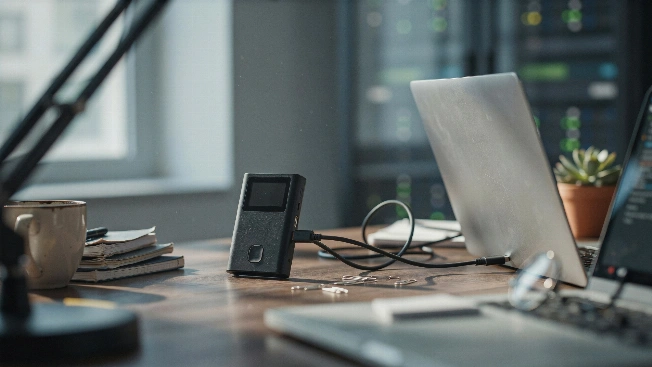
Ethereum's EIP-7702 Wallet Upgrade Exposes Millions to Attacks
A peer-reviewed study found that 63% of early EIP-7702 wallet authorizations were linked to attacker-controlled contracts, exposing millions in user assets and highlighting new risks for Ethereum and compatible chains
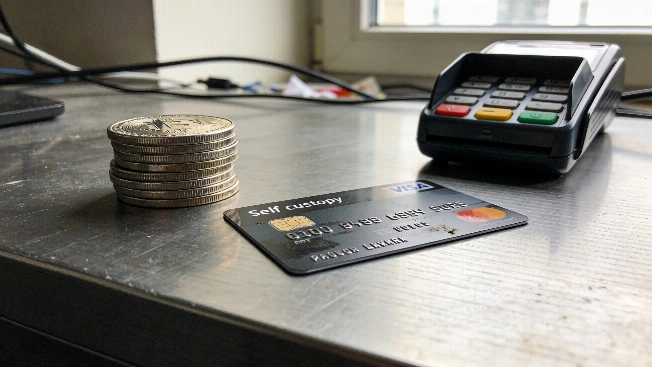
Ether.fi Expands DeFi App With Stock Trading and Multi-Currency Accounts
Ether.fi's latest upgrade transforms its self-custody app into a full-featured neobank, adding tokenized stock trading, Aave-powered portfolio loans, and fiat accounts in over 30 currencies-all while keeping user control over private keys

Linea vs Arbitrum vs Optimism for Ethereum Scaling
Linea settles with zk proofs and ETH-only gas, while Arbitrum and Optimism use fraud challenges and roughly seven-day official bridges, shaping DeFi depth, Superchain tools, and withdrawal risk for U.S. users
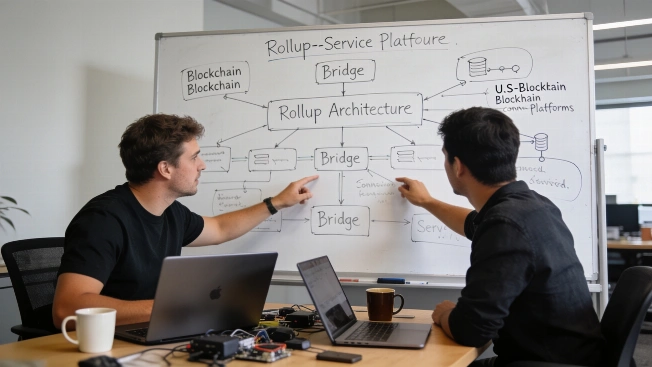
How to Choose Between Caldera, AltLayer, and Conduit for Rollups
Caldera, AltLayer, and Conduit each offer distinct approaches to Rollup-as-a-Service, with differences in interoperability, scalability, and hosting that can impact developers and projects seeking custom blockchain solutions
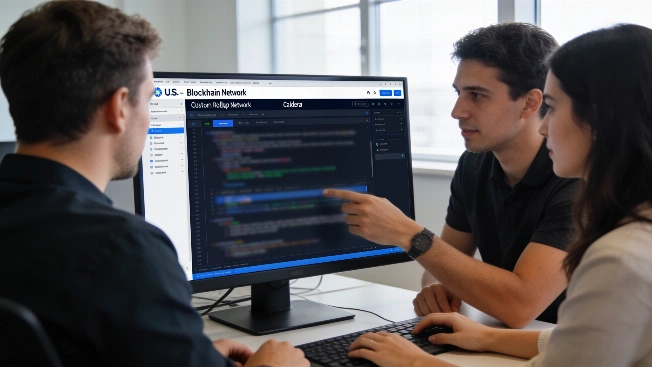
How to Launch a Custom Rollup on Caldera: Key Steps and Risks
Deploying a custom rollup on Caldera requires careful setup of framework, gas token, and network identifiers. U.S. developers and teams must weigh technical trade-offs, security risks, and operational requirements before going live