Ether.fi's latest upgrade transforms its self-custody app into a full-featured neobank, adding tokenized stock trading, Aave-powered portfolio loans, and fiat accounts in over 30 currencies-all while keeping user control over private keys
Ether.fi has rolled out a major update to its self-custody app, aiming to bridge the gap between decentralized finance and traditional banking. The new "Summer" release introduces tokenized stock and metals trading, Aave-based portfolio lending, and fiat accounts supporting more than 30 currencies, all within a single platform where users retain control of their private keys. According to the company, Ether.fi now serves around 500,000 members and supports roughly 150,000 active payment cards, with an annual transaction run rate of $2 billion. This scale gives Ether.fi a consumer reach that most DeFi-native projects have yet to achieve.
Portfolio Lending and Tokenized Assets
The most significant technical addition is a lending market built on Aave and deployed on Optimism, an Ethereum layer-2 network. Users can borrow against their entire portfolio-including tokenized real-world assets (RWAs)-at rates currently near 4%, according to Ether.fi. Borrowed funds can be spent or transferred via the Ether.fi Cash card without liquidating any positions. At launch, supported collateral includes ETH, Bitcoin, Hyperliquid, and ETHFI, Ether.fi's governance token. The platform's tokenized equities and commodities, traded through xStocks, are held in self-custodial vaults with social recovery features. Ether.fi says it plans to expand the list of eligible collateral assets in the coming months.
Fiat Access and Card Rewards
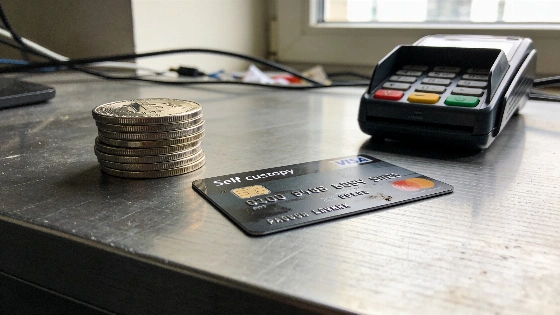
With the Summer upgrade, Ether.fi users can open fiat accounts in over 30 currencies and access payment methods such as Apple Pay and Cash App, provided they complete identity verification linked to their Ether.fi payment card. Every purchase with the Ether.fi Cash card now earns 3% cash back, and higher-tier members pay no top-up or foreign exchange fees. The platform has also launched a programmatic buyback for ETHFI, funded by platform revenue. However, tokenized stock and metals trading is not available in the U.S. or certain other jurisdictions due to regulatory restrictions. Users in countries where card issuance is not supported are limited to staking and fiat on- and off-ramp services.
Infrastructure and Regulatory Limits
Ether.fi's infrastructure has evolved rapidly, with its card system migrating from Scroll to Optimism earlier in 2026. The company also signed a three-year agreement with ETHGas, an Ethereum blockspace futures platform, to provide $3 billion in ETH as validator liquidity. These moves laid the groundwork for the Summer release. While the platform's self-custodial model distinguishes it from centralized exchanges offering similar features, regulatory barriers remain a key limitation for U.S. users. The company acknowledges these gaps but frames the launch as an initial step toward broader access. The expansion of DeFi platforms into traditional financial services echoes a broader trend, as institutional flows and consumer demand continue to reshape the crypto landscape-a dynamic also explored in EgonCoin's coverage of how institutional capital is influencing Bitcoin's long-term value.
According to Ether.fi, the platform's user base reached approximately 500,000 members as of August 2026, with 150,000 active payment cards and a reported $2 billion annual transaction run rate. These figures reflect self-reported data and have not been independently verified. The lending market's current borrowing rate is near 4%, but rates may fluctuate based on DeFi market conditions and protocol parameters.
Borrowing against crypto portfolios in DeFi introduces both new opportunities and risks for users. While self-custody platforms like Ether.fi allow users to retain control of their assets and avoid centralized intermediaries, they also require users to manage private keys and understand liquidation risks. Portfolio-backed loans can provide liquidity without selling assets, but users remain exposed to price volatility and potential margin calls if collateral values fall. Regulatory restrictions on tokenized asset trading and fiat services may limit access for users in certain jurisdictions, especially in the United States, where securities and banking laws impose additional hurdles for DeFi platforms seeking to offer traditional financial products.