
Etherscan
5 storiesCoverage should examine Etherscan's treatment of Ethereum transaction search, Ethereum fee and gas data, and internal transaction traces, including indexing delays, corrections, interface changes, and documented outages. Protocol changes to Ethereum need the network entry unless explorer behavior is affected; wallet clustering and entity attribution remain analytics topics rather than functions of Etherscan.

Tether's Alloy Shutdown Leaves $50M in Gold-Backed Debt Unresolved
Tether is closing its Alloy platform, putting nearly $50 million in gold-backed stablecoin debt at risk for users who miss the September 17 deadline to reclaim collateral. Only five open positions remain, but recovery options are unclear.

Ethereum Proposal Could Eliminate Staking Yield for Major Treasuries
A new Ethereum upgrade proposal would phase out native staking rewards as more ETH is locked, pushing large holders like SharpLink to seek riskier DeFi strategies for returns

How Fundamental Analysis Works in Crypto Markets
Crypto fundamental analysis blends on-chain data, project metrics, and market signals so investors can judge value without traditional financial statements, while still facing fake data and thin disclosure risks

Researchers Find Over 4,200 Malicious Smart Contracts Draining Crypto
A new study links thousands of deceptive smart contracts to millions in crypto losses, exposing how wallet simulations can mislead users and reroute funds to attackers across major blockchains
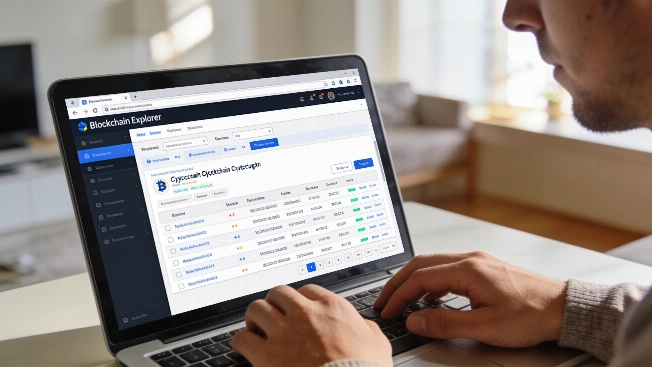
How to Track a Crypto Transfer Using a Blockchain Explorer
Verifying a cryptocurrency transfer requires the correct network, a full transaction hash, and careful review of status, addresses, and confirmations. Here's how to avoid common mistakes and security risks when checking your crypto transaction.