
Ethereum Staking
18 stories
Lido Faces Shrinking Share as Institutional Ethereum Staking Surges
Lido's share of new Ethereum staking dropped to 5.7 percent in early 2026 as institutional capital favored alternative routes and fee waivers cut into protocol revenue. The DAO's buyback mechanism now faces a funding squeeze despite network growth.

Ethereum Faces Supply Dilemma as Staking Rewards Spark Policy Rift
Ethereum's core developers have refused to endorse a proposal to burn validator rewards, leaving the network at a crossroads over whether to prioritize high staking yields or protect the value of unstaked ETH holdings. The decision now moves to the broader community.
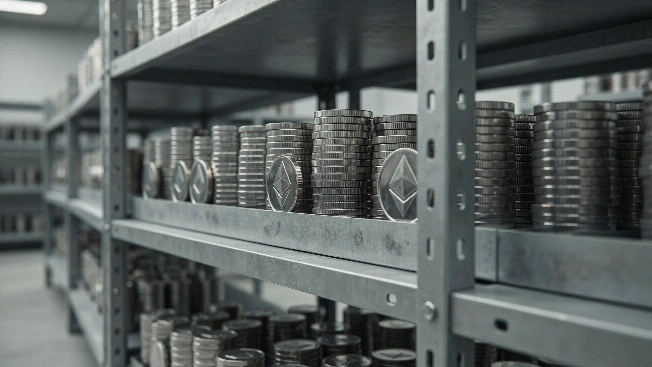
Bitmine Nears Five Percent Ethereum Stake as Staking Rewards Accelerate
Bitmine's Ethereum holdings have climbed to 5.9 million ETH. With staking rewards now rivaling new purchases, the company may reach its five percent ownership goal without further acquisitions-unless Ethereum's supply keeps expanding.

Ethereum Staking Queue Delays Cost Depositors Over $350K Daily
A record 2 million ETH is stuck in Ethereum's validator activation queue, forcing new stakers to wait over five weeks and miss out on daily consensus rewards worth hundreds of thousands of dollars

Ethereum Developers Propose Quantum-Resistant Upgrade for Staking Security
Ethereum developers have introduced a draft proposal to overhaul the validator deposit contract, aiming to support quantum-resistant cryptography and safeguard over $100 billion in staked ETH from future quantum computing threats

Ethereum's New Staking Threshold May Delay Validator Reward Payouts
A proposed Ethereum upgrade could let validators set custom thresholds for automatic reward withdrawals, potentially extending the time users wait to access staking rewards and affecting how staking services manage payouts

Bitcoin and Ethereum Diverge as Strategy Raises Cash, BitMine Buys ETH
Bitcoin and Ethereum both surged last week, but Strategy chose to raise $2.01 billion in cash without adding to its Bitcoin holdings, while BitMine Immersion Technologies continued to accumulate Ethereum despite the rally
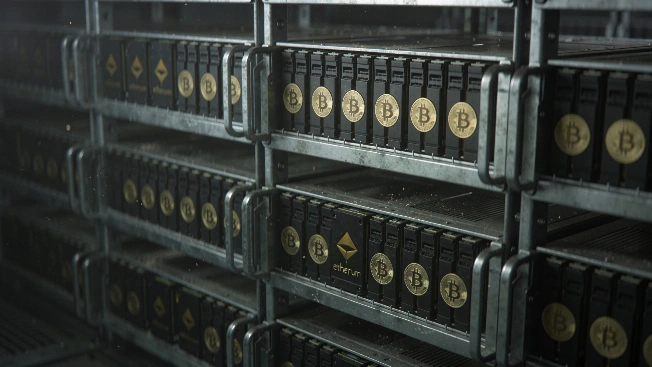
Bitmine Nears 5% of Ethereum Supply Despite $8.4B Paper Loss
Bitmine has accumulated nearly 4.8% of all circulating Ethereum, with over 5 million ETH staked, but faces more than $8 billion in unrealized losses as market prices remain well below its average purchase cost

21Shares Ethereum ETF Faces $48M Redemptions With Most ETH Still Locked
The 21Shares Ethereum ETF processed $48 million in redemptions in early 2026, but kept over 86% of its ETH staked, raising questions about liquidity and redemption timing for investors as market volatility persists

Bit Digital Pledges Most Staked Ethereum as Loan Collateral With 24-Hour Risk
Bit Digital has pledged 74% of its staked Ethereum as collateral for a $50 million loan, exposing its treasury to rapid margin calls and making its crypto reserves a key part of a complex funding chain
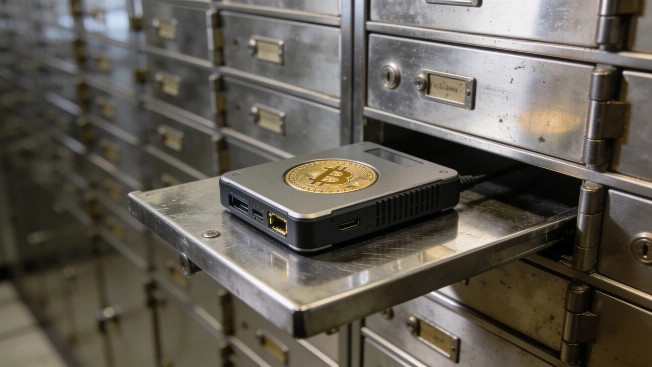
Fidelity Seeks SEC Approval to Add Staking to Ethereum ETF
Fidelity has filed to enable staking and quarterly cash payouts for its $898 million spot Ethereum ETF, aiming to compete with rivals as U.S. crypto fund structures evolve under new IRS guidance.

Ethereum Proposal Could Eliminate Staking Yield for Major Treasuries
A new Ethereum upgrade proposal would phase out native staking rewards as more ETH is locked, pushing large holders like SharpLink to seek riskier DeFi strategies for returns

Ethereum Reward Cut Proposal Threatens DeFi Leverage Strategies
A proposed 54% reduction in Ethereum staking rewards could disrupt leveraged DeFi strategies, force repricing across liquid staking tokens, and reduce demand for ETH borrowing, raising new risks for users and protocols

Intesa Sanpaolo Slashes Bitcoin ETF, Triples Staked ETH Amid Outflows
Italy's largest bank cut its iShares Bitcoin Trust ETF position by 94% in Q2 2026, while tripling its staked Ethereum ETF exposure, as both assets faced steep price declines and U.S. spot crypto ETFs saw nearly $5 billion in net outflows

Italy's Largest Bank Slashes Bitcoin ETF Calls, Triples Staked ETH
Intesa Sanpaolo has dramatically reduced its Bitcoin ETF call exposure by over 99% and tripled its staked Ethereum ETF holdings, signaling a major shift in its crypto investment strategy for the second quarter

Bitmine Adds 10K ETH, Controls 4.8% of Supply
Bitmine Immersion Technologies lifted its Ethereum treasury to nearly 5.8 million tokens after another weekly buy, nearing a 5% supply target while staking most of the stack for projected yield

Ethereum Mainnet Hits 11 Years Without Full Outage
Ethereum Mainnet has produced blocks without a complete network halt since July 30, 2015, relying on independent validators, multiple clients, and peer-to-peer design rather than any single operator

Ethereum Staking Tops 40 Million ETH Security Milestone
More than 40 million ETH now backs Ethereum consensus, raising the capital needed to disrupt finality while rewards, slashing, and operator diversity still shape real Mainnet resilience