
Riot Platforms
6 storiesReporting should test how Riot Platforms performs its mining, validation, or node role, including deployment, maintenance, security, rewards, interoperability, and Bitcoin treasury management. A related pool, firmware package, or client requires its own tag when it operates independently from Riot Platforms or implements Bitcoin treasury management differently.
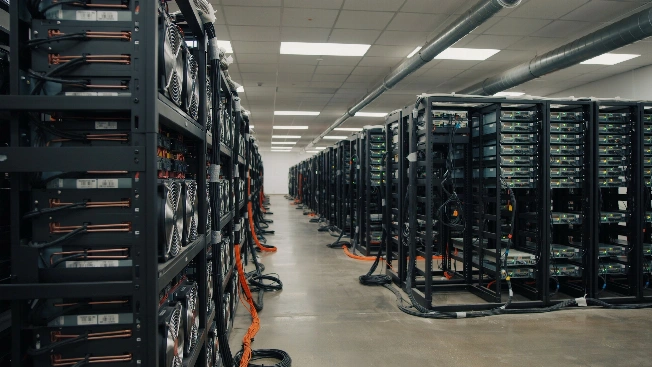
Bitcoin Mining Hashrate Stalls as AI Demand Redirects Power
Bitcoin's network hashrate has failed to recover to previous highs for over 10 months, as miners increasingly shift power and infrastructure to artificial intelligence and high-performance computing, complicating the usual rebound after price rallies

Riot Platforms Faces Financing Gap in $9.1B Anthropic Data Center Deal
Riot Platforms secured $573 million in interim funding for its Texas data center project with Anthropic, but the bridge loan matures a year before rent payments begin, raising questions about long-term financing and project risk

ETF Slowdown and Treasury Sales Challenge Bitcoin's $16T Ambition
ARK Invest's $16 trillion Bitcoin scenario now demands nearly 79% annual growth, but tepid ETF inflows and corporate selling are raising doubts about whether institutional and digital gold adoption can deliver the projected gains
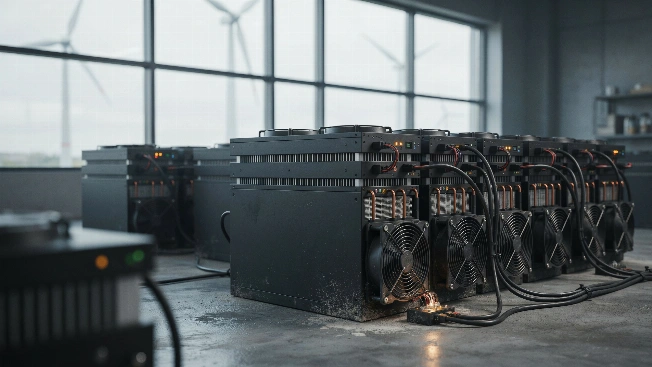
Bitcoin Mining With Wind Power Struggles as Hashrate Growth Erodes Profit
A new study finds that even with a 30% annual Bitcoin price increase, wind-powered mining operations in Ireland fail to break even if global hashrate keeps rising, highlighting the mounting economic pressure on miners as competition intensifies
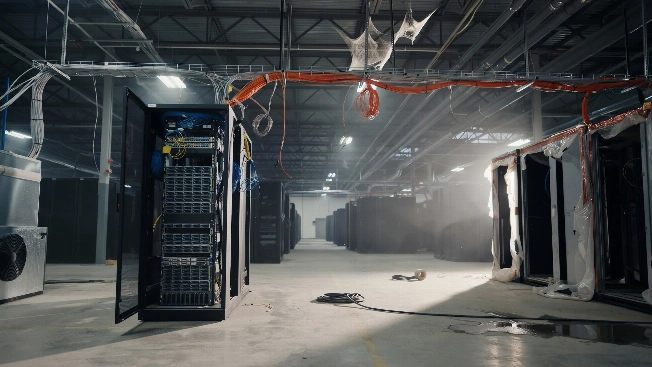
Riot Sells Bitcoin to Fund $9.1B AI Data Center Lease
Riot Platforms is liquidating Bitcoin reserves to finance a $9.1 billion AI data center deal, with rent payments from its unnamed tenant not expected until late 2027. The miner faces near-term funding gaps and ongoing treasury pressure.
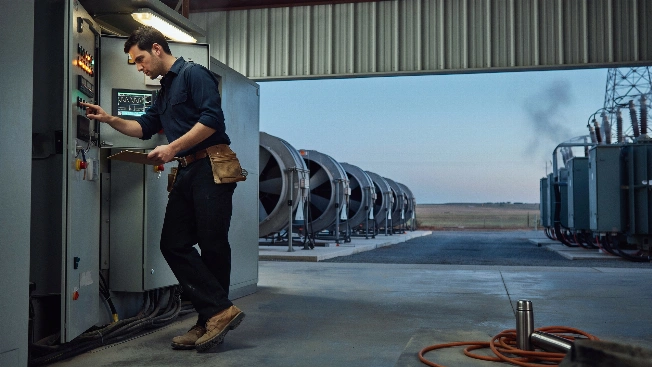
Texas Bitcoin Miners Lose Grid Flexibility as AI Demand Surges
Bitcoin miners once helped stabilize Texas's power grid by shutting down during peak demand, but as mining facilities pivot to AI data centers, the grid's emergency flexibility is shrinking-raising new risks for energy reliability and crypto economics.