Bitcoin miners once helped stabilize Texas's power grid by shutting down during peak demand, but as mining facilities pivot to AI data centers, the grid's emergency flexibility is shrinking-raising new risks for energy reliability and crypto economics.
Texas's electricity grid has long relied on the unique flexibility of Bitcoin mining operations to help balance supply and demand during periods of extreme heat. Last week, the state's grid operator, ERCOT, reported record-breaking demand, with real-time usage peaking at over 91,000 megawatts-surpassing previous highs set just a day earlier. Despite the surge, ERCOT avoided issuing conservation alerts, thanks in part to voluntary curtailment agreements with large industrial users, especially Bitcoin miners, who have historically powered down when electricity prices spike.
Bitcoin Mining as a Grid Resource
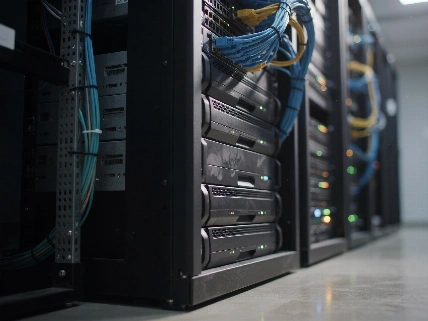
Bitcoin mining facilities in Texas have become a critical tool for grid stability. These operations, which run specialized ASIC computers to compete for new Bitcoin, can pause and resume activity within minutes. This rapid response allows miners to reduce their electricity draw quickly, freeing up capacity for residential and commercial users during peak demand. In 2023, for example, Riot Platforms reported curtailing more than 95% of its power usage during a major heat wave, earning $24.2 million in curtailment credits and $7.4 million from ERCOT's demand response program-far exceeding the value of the Bitcoin mined during that period.
AI Data Centers Shift the Equation
The economics behind this flexibility are changing. As Bitcoin mining revenue (measured by "hashprice," or daily revenue per unit of computing power) fluctuates, miners weigh the value of mining against the potential earnings from selling electricity back to the grid. When Bitcoin prices are low, shutting down is less costly; when prices rise, miners are less willing to curtail. However, a new trend is reshaping the landscape: many mining facilities are converting to AI and high-performance computing data centers. Unlike Bitcoin mining, these AI workloads often come with strict uptime commitments, making it impractical or contractually impossible to power down during grid emergencies.
Regulatory and Market Pressures
Texas lawmakers have responded to the evolving grid landscape with new requirements. Senate Bill 6, signed in June 2025, mandates that large new data centers and mining operations must have enforceable curtailment protocols if they connect after December 31, 2025. ERCOT is also required to competitively procure demand reductions from customers drawing 75 megawatts or more. Yet, as the queue of large users waiting to connect to the grid-dominated by data centers-continues to grow, the share of flexible, curtailable load is shrinking. ERCOT's own forecasts suggest that grid demand could nearly double within six years, raising questions about how the system will handle future peaks if fewer facilities are able or willing to curtail.
Competition for Power and Reliability Risks
The shift toward AI is not just a technical issue but a market and regulatory one. Bitcoin miners and AI operators now compete for the same interconnection capacity, and the loss of flexible mining load could leave the grid more exposed during emergencies. Batteries and solar have helped cover some of the evening ramp, with batteries discharging a record 11,980 megawatts on July 22 and solar output reaching nearly 34,700 megawatts. Still, storage can only add so much, and the unique ability of Bitcoin mines to instantly drop load is difficult to replace. The risks of relying on less flexible data centers were highlighted in December 2022, when a failed transformer in West Texas knocked nearly 400 crypto mines, data centers, and industrial facilities offline, creating a sudden surplus and forcing generators to shut down. As more mining sites pivot to AI, the grid's emergency "brake" is being eroded.
Recent research from Texas A&M and Harvard underscores that mining flexibility is economically state-dependent and may be overstated if treated as a stable resource. Riot Platforms' own filings show curtailment credits fluctuating with market conditions: $71.2 million in 2023, $33.7 million in 2024, and a rebound to $56.7 million last year. In Q1 2026, these credits reduced Riot's net power cost to 3.0 cents per kilowatt-hour, with the cash cost to mine a Bitcoin at $44,629 versus an average Bitcoin price of $75,964 for the quarter.
This trend mirrors developments elsewhere in the U.S. crypto mining sector, where companies like Core Scientific have reported that AI data center revenue is outpacing traditional mining profits-a shift explored in EgonCoin's coverage of Core Scientific's business model transformation.
ERCOT's grid remains an "electrical island," largely isolated from neighboring states, which limits its ability to import power during emergencies. As Texas's energy demand continues to climb and the composition of large-scale electricity users shifts, the state faces new challenges in maintaining grid reliability-especially if the emergency flexibility once provided by Bitcoin miners continues to decline.
According to ERCOT, one megawatt serves about 250 homes during peak hours. The 5,800-megawatt increase in demand over the 2023 record equates to roughly 1.45 million additional homes' worth of load appearing in a single afternoon. ERCOT's mid-2026 interconnection queue includes more than 438,000 megawatts of large user requests-about five times the state's historical peak consumption. These figures highlight the scale of the challenge as Texas's grid adapts to new types of industrial demand and evolving market incentives.
Bitcoin mining's value to the grid has always depended on its ability to curtail load quickly and predictably. Unlike traditional manufacturing or data processing, mining can pause without damaging physical product or violating service-level agreements. This flexibility is monetized through a mix of market-based curtailment credits, demand response programs, and transmission charge reductions. As more mining sites transition to AI and high-performance computing, the grid loses a resource that can be dispatched on short notice. The result is a more complex balancing act for ERCOT, with greater reliance on batteries, solar, and regulatory intervention to maintain reliability during periods of extreme demand.