
Arbitrum
8 storiesMaterial developments for Arbitrum include network upgrades, client compatibility, prover or sequencer changes, bridge and messaging failures, ecosystem migrations, and updates to ARB governance ecosystem. Bridge incidents may use both entries, but the defining question here is their effect on Arbitrum's scaling system and ARB governance ecosystem.
Layer 2 Profits Expose Ethereum's Settlement Dilemma
Layer 2 networks are raking in sequencer fees and user activity is surging, but Ethereum's protocol value is not keeping pace. The real stakes lie in who controls settlement, data, and lasting ETH demand as L2s rewrite the economics of scaling.

Arbitrum One and Robinhood Chain Set Different Rules for Ethereum Layer 2
Arbitrum One and Robinhood Chain both run on Ethereum Layer 2 but diverge on governance, revenue, and application focus. Users face different trade-offs in speed, token rights, and access to tokenized assets depending on which network they choose

Arbitrum Captures Major Revenue Share From Robinhood Chain Fees
Arbitrum now claims 10 percent of net protocol revenue from Robinhood Chain and similar networks built on its stack but settling elsewhere, with July 2026 licence fees alone accounting for over a third of ArbitrumDAO's monthly income

Arbitrum Faces Revenue Surge and Security Trade-Offs on Ethereum
Arbitrum's Layer 2 network posted $6.19 million in revenue for early 2026, but its single Sequencer, week-long withdrawal delays, and reliance on Ethereum's data market expose users to unique risks and operational bottlenecks
Arbitrum Watchdog Targets Three DeFi Projects With Potential DAO Ban
Good Entry, Limitless, and APX Finance face possible exclusion from Arbitrum DAO programs after failing to address high-severity misuse findings. The watchdog committee has set a tentative September 10 deadline for responses and fund recovery.

Linea vs Arbitrum vs Optimism for Ethereum Scaling
Linea settles with zk proofs and ETH-only gas, while Arbitrum and Optimism use fraud challenges and roughly seven-day official bridges, shaping DeFi depth, Superchain tools, and withdrawal risk for U.S. users
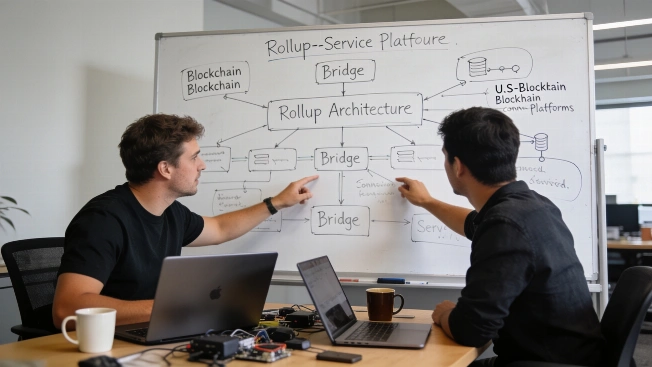
How to Choose Between Caldera, AltLayer, and Conduit for Rollups
Caldera, AltLayer, and Conduit each offer distinct approaches to Rollup-as-a-Service, with differences in interoperability, scalability, and hosting that can impact developers and projects seeking custom blockchain solutions
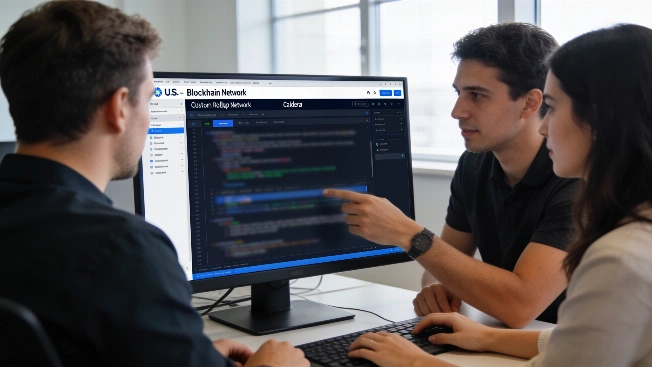
How to Launch a Custom Rollup on Caldera: Key Steps and Risks
Deploying a custom rollup on Caldera requires careful setup of framework, gas token, and network identifiers. U.S. developers and teams must weigh technical trade-offs, security risks, and operational requirements before going live