
Wallet Basics
7 stories
Gate Travel Lets Crypto Holders Book Hotels and Flights Directly
Gate Travel integrates hotel and flight bookings into the Gate App, allowing users to pay with over 50 cryptocurrencies or fiat. The service covers more than 190 countries and offers direct crypto payments for eligible reservations
How to Safely Deposit USDT on Gate and Avoid Costly Errors
Depositing USDT on Gate requires careful network selection and address verification to prevent lost funds. Learn the exact steps, fees, and risks involved before moving stablecoins from another wallet or exchange
AI-Powered TUT Aims to Simplify Web3 Learning on BNB Chain
TUT introduces an AI education agent to guide users through blockchain basics, DeFi, and smart contracts, while its ecosystem token supports rewards and governance. The project targets onboarding challenges for new Web3 users.

Top Cryptocurrencies for Beginners: What to Watch in 2026
A practical guide to choosing beginner-friendly cryptocurrencies in 2026, including Bitcoin, Ethereum, and stablecoins, with a focus on liquidity, security, and platform access for U.S. users

How to Bridge Crypto Assets to Linea Safely
Moving assets to Linea needs wallet prep, the official bridge, and a Lineascan balance check. Most transfers finish in about 5 to 15 minutes for beginners and intermediate users who keep ETH for gas
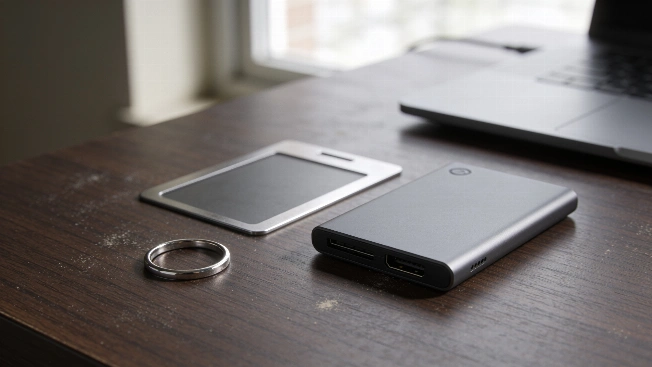
Seed Phrase Backups Create Major Self-Custody Security Gaps
Lost or exposed recovery phrases still wipe out self-custody holdings more often than chain exploits. Here is how paper, single-site, and digital backups fail-and what UKey Seed Ring claims to change
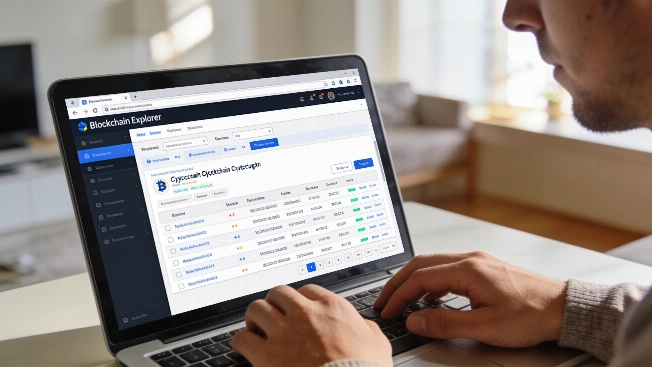
How to Track a Crypto Transfer Using a Blockchain Explorer
Verifying a cryptocurrency transfer requires the correct network, a full transaction hash, and careful review of status, addresses, and confirmations. Here's how to avoid common mistakes and security risks when checking your crypto transaction.