
Validator Operations
20 stories
Avalanche Helicon upgrade cuts validator lockup to 48 hours
Avalanche's Helicon upgrade will reduce validator lockups from 14 days to 48 hours, add auto-renewal for validator cycles, and raise the uptime threshold for rewards. The changes take effect September 22 and will affect validator operations and staking yields.

Solana boosts transaction capacity as network activity breaks records
Solana has rolled out a major upgrade that triples transaction data capacity and prepares to cut slot times to 250 milliseconds, as the network handles record volumes across stablecoins, tokenized equities, and decentralized exchanges.

Solana's Faster Blocks Reshape Arbitrage and Validator Economics
Solana's mainnet now produces blocks every 300 milliseconds, aiming to limit arbitrage losses for liquidity providers but raising validator costs and intensifying competition among trading bots and market makers
TAC Blockchain Standoff: $1B Token Rescue Faces Unresolved Exploit Fallout
The TAC network remains halted after a critical exploit drained nearly 30% of its token supply. A $1.26 billion TAC treasury bailout is planned, but over 1.6 billion attacker-held tokens on BNB Chain remain in limbo.

MultiversX to Halt Transactions for 24 Minutes in Major Speed Upgrade
MultiversX will temporarily pause new transactions as it rolls out its Supernova upgrade, aiming to cut block times by 90% and overhaul consensus. Node operators face a tight deadline to update software or risk falling out of sync.

Polygon Labs Urges Node Upgrades After Austin and Kyoto Hardforks
Polygon Labs has warned that nodes running outdated Bor or Heimdall clients are no longer in consensus after recent hardforks, requiring urgent upgrades to maintain network compatibility and avoid operational risks
Cardano and Solana Face Governance Risks as Voter Participation Lags
Cardano and Solana are testing different on-chain governance models, but both networks are running into challenges with low voter turnout and the concentration of voting power among delegates and validators

Ethereum Developers Propose Quantum-Resistant Upgrade for Staking Security
Ethereum developers have introduced a draft proposal to overhaul the validator deposit contract, aiming to support quantum-resistant cryptography and safeguard over $100 billion in staked ETH from future quantum computing threats
Ethereum's New Staking Threshold May Delay Validator Reward Payouts
A proposed Ethereum upgrade could let validators set custom thresholds for automatic reward withdrawals, potentially extending the time users wait to access staking rewards and affecting how staking services manage payouts
Secret Network Mints 1.08B Tokens to Fund Operations After Developer Exit
Secret Network minted 1.08 billion SCRT overnight, diluting supply by 75% to fund core operations as SCRT Labs prepares to end support. The move leaves future development and validator participation in the hands of the community.

MANTRA Chain Mainnet Remains Offline as Patch Testing Delays Restart
MANTRA Chain's mainnet is still paused after an exploit targeting a software dependency. Transactions, transfers, and staking are halted while a patched release undergoes testnet validation before a coordinated restart.

Ethereum Testnet Expands Block Validation Window Ahead of Major Upgrade
Ethereum node operators can now test the upcoming Glamsterdam upgrade on the Platåberget public network, which extends the critical block validation window from about two seconds to nine seconds and introduces new architectural changes.
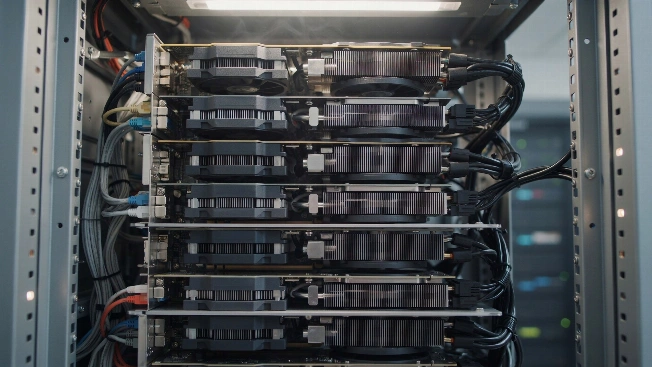
Ethereum Proofs May Soon Require Just Four GPUs, Not Twelve
A new benchmark from ZisK claims Ethereum block proofs can be generated in under 10 seconds using only four GPUs, raising questions about decentralization, hardware costs, and the future of home-based validators

Solana's Alpenglow Bug Bounty Requires 0.5 SOL Upfront Fee
Security researchers must pay a non-refundable 0.5 SOL fee to submit bug reports for Solana's new Alpenglow consensus protocol, with eligibility and rewards determined only after submission and review

Solana's Agave 4.2 Hits Target Date but Mainnet Upgrades Await
Solana's Agave 4.2 client reached its planned August 17 activation window, but key mainnet feature gates-including slot-time reductions and rent cuts-remain unconfirmed, leaving users and developers waiting for concrete mainnet changes.
Ethereum's Quantum-Safe Upgrade Puts Banks on a 2027 Migration Clock
Ethereum's planned shift to quantum-resistant validator keys could force regulated banks to overhaul custody systems years before quantum computers pose a real threat, exposing a timeline and operational risk few have addressed
EIP-8361 Could Streamline Ethereum Mempool Validation With Proofs
A new Ethereum proposal, EIP-8361, aims to reduce node workload by letting certain transactions carry cryptographic proofs for mempool admission, potentially enabling more complex account logic without slowing network propagation

XRPL Validators Block Exploit, Forcing Rewrite of Key Ledger Upgrades
A critical flaw in proposed XRP Ledger amendments could have let attackers drain user accounts through transaction fees. Validators intervened before mainnet activation, prompting a rewrite and delaying new features.

How CSPR Tokenomics and Staking Work on Casper
CSPR powers fees, staking, and validator rewards on Casper. Circulating supply, protocol fee burns, and PoS delegation rules shape how the token moves and what stakers face

Ethereum Staking Tops 40 Million ETH Security Milestone
More than 40 million ETH now backs Ethereum consensus, raising the capital needed to disrupt finality while rewards, slashing, and operator diversity still shape real Mainnet resilience