
Trezor Model One
6 storiesTrezor Suite and other Trezor models remain separate when the change does not directly concern Trezor Model One's hardware, firmware, recovery, or connectivity.

Crypto Hardware Wallets Face New Threats Beyond Device Security
Recent incidents at D'CENT and Trezor show that even when hardware wallets remain uncompromised, user assets can be exposed through software wallets and third-party data breaches that target recovery phrases and customer information.
EU Imposes 24-Hour Breach Reporting for Crypto Wallet Makers
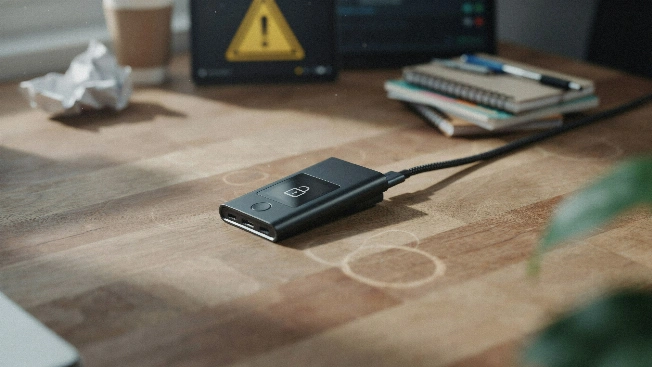
Crypto wallet makers selling in the EU must now alert cyber regulators within 24 hours if they discover an exploited security flaw, as the Cyber Resilience Act's rapid reporting regime takes effect for both hardware and software wallets.

Bitcoin Hardware Wallet Bridge HWI to End Support for New Devices
Bitcoin's Hardware Wallet Interface (HWI), a key tool for connecting wallet software to hardware devices, will stop adding support for new models, raising compatibility concerns as its Rust-based successor remains unfinished

ShipMonk Data Breach Exposes Trezor Buyers to Phishing and Theft Risk
A breach at ShipMonk compromised personal data for nearly 14,000 Trezor hardware wallet customers, raising concerns about targeted phishing and physical attacks as crypto-related security incidents accelerate in 2026.

Trezor Data Breach Exposes Crypto Wallet Buyers to Physical Risk
A breach at a Trezor shipping provider exposed thousands of customer names and addresses, raising concerns about targeted phishing and the potential for real-world attacks on crypto holders
How Exodus Wallet Puts Crypto Users in Control of Their Keys
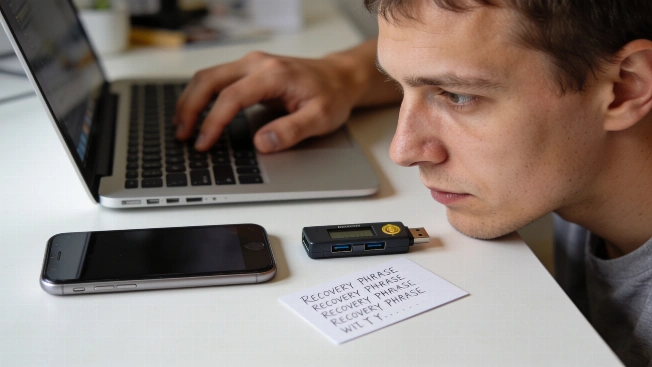
Exodus Wallet offers self-custody for over 275 cryptocurrencies, supporting staking, swaps, and NFT management across desktop and mobile. Users retain full control of their private keys and recovery phrases, with no access for Exodus itself.