Exodus Wallet offers self-custody for over 275 cryptocurrencies, supporting staking, swaps, and NFT management across desktop and mobile. Users retain full control of their private keys and recovery phrases, with no access for Exodus itself.
Exodus Wallet is a self-custodial software wallet designed for users who want direct control over their cryptocurrency holdings. Available for Windows, macOS, Linux, iOS, and Android, Exodus enables users to store, send, receive, stake, and swap a wide range of digital assets without relying on a third-party custodian. The wallet supports more than 275 blockchain networks and allows users to import custom tokens on major Web3 chains.
Self-Custody and Security
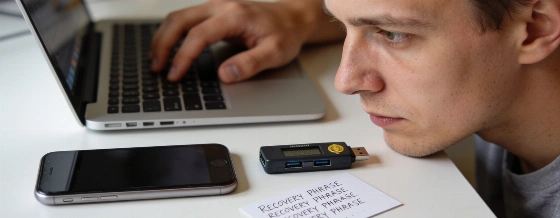
Unlike custodial wallets, Exodus does not have access to users' private keys or 12-word recovery phrases. All sensitive information is stored locally on the user's device, meaning only the user can access or recover their funds. This model places the responsibility for backup and security squarely on the user. Exodus does not track transaction history or monitor user activity, further reinforcing privacy. The wallet's hot-wallet design-meaning it is connected to the internet-makes device security and safe storage of recovery phrases critical. Users are advised to download Exodus only from official sources and maintain strong device hygiene to reduce the risk of compromise.
Supported Assets and Features
Exodus supports storage and management of over 275 cryptocurrencies, including Bitcoin, Ethereum, USDT, Polygon, and Solana. The wallet also enables users to stake select proof-of-stake assets such as Cardano, Algorand, Cosmos, and Solana, with staking rewards and lock-up periods varying by network. For example, unstaking Cardano (ADA) typically takes about 21 days. Some assets offer auto-staking features for compounding rewards, but annual percentage yields (APY) are estimates and can fluctuate. Exodus integrates with hardware wallets like Trezor, allowing users to manage assets through the Exodus interface while keeping private keys on a separate device. NFT management and DeFi app connectivity are also available for supported networks.
Swaps, Purchases, and User Experience
Users can swap cryptocurrencies directly within the Exodus app, and in certain regions, purchase crypto using bank cards, Apple Pay, or Google Pay. The wallet's interface is designed to be accessible for both beginners and experienced Web3 users, with clear navigation and in-app guidance. Exodus is free to download and use, though network fees apply to transactions. The company, founded in 2015 by JP Richardson and Daniel Castagnoli, is publicly listed on NYSE American under the ticker $EXOD. For those comparing crypto payment options, features like self-custody and integrated swaps distinguish Exodus from products focused on card-based spending, as discussed in EgonCoin's analysis of crypto cards for daily spending and stablecoins.
Risks and Limitations
Because Exodus is a hot wallet, it is inherently more exposed to online threats than hardware wallets or cold storage. Users must safeguard their recovery phrases and private keys, as Exodus cannot recover lost credentials. Integration with hardware wallets like Trezor can mitigate some risks, but does not eliminate the need for careful backup and device security. The wallet's non-custodial approach means users are solely responsible for their funds, and there is no insurance or recourse in the event of loss due to user error or device compromise.
As of June 2024, Exodus Wallet supports over 275 blockchain networks and tokens, according to company documentation. The wallet is available for free download on Windows, macOS, Linux, iOS, and Android platforms. Exodus is publicly traded on NYSE American under the ticker $EXOD, reflecting its status as one of the few wallet providers with a U.S. stock market listing. Staking rewards, supported assets, and network integrations are subject to change as blockchain protocols evolve.
Self-custodial wallets like Exodus give users direct control over their digital assets, but also require a higher level of personal responsibility. Unlike custodial exchanges or wallets, there is no third party to recover lost funds or reset passwords. Users must understand the importance of securely storing their recovery phrases and maintaining device security. While integration with hardware wallets can reduce some risks, no solution is entirely immune to threats. Choosing between hot wallets, hardware wallets, and custodial services depends on a user's technical comfort, risk tolerance, and need for convenience versus security.