SoFi Bank and Mastercard have switched on SoFiUSD settlement for debit and credit cards, aiming for more than $25 billion in yearly volume. But the real amount settled in stablecoin is still unknown, so the true impact is up in the air.
Mastercard and SoFi Bank have finally put their stablecoin settlement plans into action. But how much this changes the game is still unclear. SoFiUSD, a stablecoin issued by SoFi Bank, now sits behind SoFi Bank's debit and credit card program as a live settlement option. The headline number-over $25 billion in projected yearly card volume-shows only what could happen in the future. It does not reflect how much is actually being settled in stablecoin right now. SoFi has not revealed how much SoFiUSD has already moved through the system.
Behind the card rails
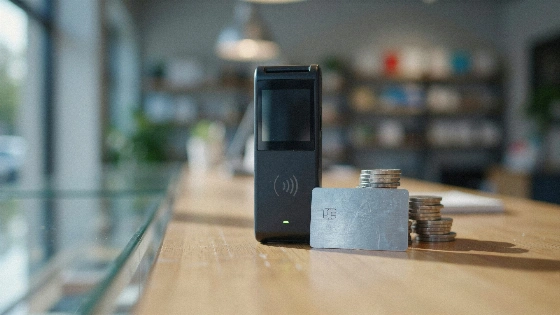
For people using the cards, nothing looks different at checkout. Swiping or tapping still works the same way. The change is in the background. SoFiUSD can now settle payments between SoFi Bank and Mastercard. Merchants still get U.S. dollars straight into their bank accounts. SoFi says merchants do not need to hold stablecoins or change their setup. The stablecoin just moves value behind the scenes. Merchants and customers only see dollars and cards.
SoFi Bank became the first nationally chartered U.S. bank to enable live stablecoin settlement across Mastercard's global payments network.
SoFi says businesses using its Big Business Banking platform can get settlement funds instantly in their SoFi Bank accounts, any time of day. The company pitches this as a way for merchants to avoid the risks and hassles of holding tokens. But SoFi has not named any outside merchant using the system live. The full card program is still moving over, and there is no public timeline for when that will finish. SoFi says it is talking with large U.S. merchants, but the September launch did not include any before-and-after data on settlement speed or cost for merchants.
Stablecoin mechanics and limits
SoFiUSD is issued by SoFi Bank, which is regulated by the Office of the Comptroller of the Currency. The stablecoin is meant to be redeemed one-to-one for U.S. dollars. But only approved SoFi customers with separate agreements can redeem directly, and redemptions come with conditions and fees. Getting SoFiUSD on-chain does not mean you can automatically redeem it. The terms allow for delays or suspensions in some cases. SoFiUSD is not a deposit, does not have FDIC or SIPC insurance, and could be lost or disrupted. For merchants, the main draw is getting dollars in a bank account without having to hold tokens themselves.
SoFi says SoFiUSD is backed mostly by cash. But the terms also allow for cash equivalents and other liquid assets, and there is no fixed mix promised at all times. The company has not published a snapshot of its reserves. People and companies in the UK and European Economic Area cannot get or use SoFiUSD, but this does not affect normal card acceptance in those places. Using the token and using the card are covered by different rules, and the stablecoin's reach is limited by these terms.
In June 2026, Mastercard expanded its settlement infrastructure to support regulated stablecoins including USDC, PYUSD, RLUSD, Global Dollar, Pax Dollar, and SoFiUSD, paving the way for this launch. This move reflects a broader industry trend of integrating blockchain-based assets into traditional payment networks, with regulatory oversight remaining a key factor for adoption.
Market context and scale
Mastercard's bigger plan is to support several regulated stablecoins for settlement. SoFiUSD joins coins like USDC and RLUSD in the network. Mastercard has not said how much traffic each token handles or if all planned pairings are live. Visa, on the other hand, reported stablecoin settlement volume above a $20 billion yearly run rate as of September 8. That number tracks real stablecoin settlement, not just projected card volume. SoFi's $25 billion figure is a guess for future card-program volume after migration, not a measure of current stablecoin settlement.
Without real numbers on how much is already being settled in SoFiUSD, it is hard to judge the true impact of this move. There is still a gap between running a blockchain transaction and giving merchants real benefits. As seen with S&P Global's recent buyout of OpenZeppelin, which EgonCoin covered earlier, the difference between a technical milestone and wide commercial use often comes down to what is not reported.
SoFi and Mastercard have made a public move by putting a bank-issued stablecoin into live settlement for card payments. But until they share real numbers on token-settled volume, outside merchant use, and clear gains in cash access, the business value of this step is still just a promise. The real test will be whether outside merchants see real benefits and if SoFiUSD settlement becomes more than a technical detail in the card payment world.
SoFi's announcement points to over $25 billion in yearly card-program volume after moving to SoFiUSD settlement. But the company has not said how much or what share of transactions are already settled in the stablecoin. Visa reported a $20 billion yearly run rate for stablecoin settlement as of September 8, but that number is not directly comparable to SoFi's, since it shows actual stablecoin settlement, not projected card volume. Mastercard has not published traffic shares for each stablecoin it supports.
Stablecoin settlement in regular payment networks adds a new layer of complexity for merchants and users. The tech promises faster settlement and maybe lower costs, but the real benefits depend on how much volume actually runs through the stablecoin rails and how quickly funds turn into spendable cash. Rules, redemption limits, and reserve details all shape the risks for users and merchants. As more banks and payment networks try out stablecoin settlement, the line between technical ability and real-world use will stay important.