
Chainalysis
12 stories
Revolut Data Breach Exposes Wealthy User Passports and Bitcoin Activity
Revolut mistakenly released sensitive identity documents and Bitcoin transaction histories for high-net-worth clients after processing a fake government data request that bypassed standard email authentication controls.

Phishing Scam Targets Trezor and BitBox Wallet Owners With Fake Security Emails
Attackers used compromised email providers to send fake security alerts to Trezor and BitBox users, aiming to steal wallet recovery seeds. The incident underscores ongoing risks for hardware wallet holders and the need for careful security practices.

Bitcoin Theft Mastermind Pleads Guilty After $245 Million Crypto Heist
A 22-year-old Singaporean admitted to orchestrating a $245 million crypto theft ring that drained over 4,100 Bitcoin from a single victim and laundered funds into jets, supercars, and high-end real estate across the U.S.
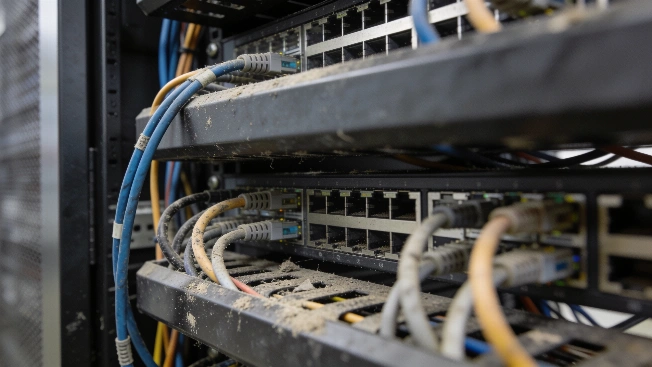
How AI Tools Are Changing Blockchain Asset Tracing and Compliance
Blockchain's transparency makes every crypto transaction visible, but tracing funds across wallets, bridges, and exchanges is complex. AI-powered tools like AMLBot aim to streamline on-chain investigations for compliance and risk management
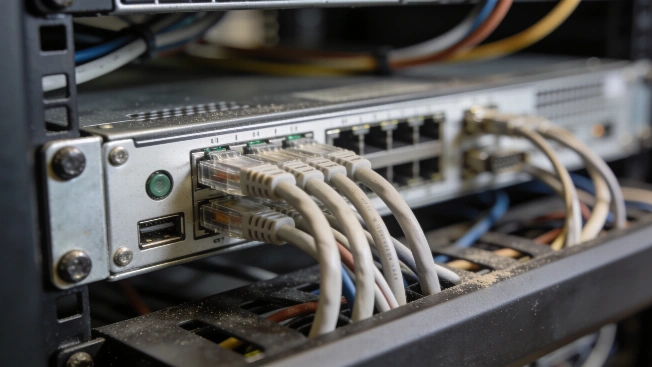
How AML, KYC, and KYT Shape Crypto Compliance for U.S. Firms
Crypto exchanges and wallet providers face mounting regulatory pressure to implement AML, KYC, and KYT controls. Here's how these compliance pillars work together to manage risk and what unified platforms mean for digital asset businesses

Bits of Gold Data Breach Halts Bitcoin Purchases on Yellow App
A data breach at Bits of Gold, Israel's largest regulated crypto broker, has led to a temporary suspension of Bitcoin purchases on Paz's Yellow app, with personal data of up to 250,000 users potentially exposed but customer funds reportedly unaffected

ShipMonk Data Breach Exposes Trezor Buyers to Phishing and Theft Risk
A breach at ShipMonk compromised personal data for nearly 14,000 Trezor hardware wallet customers, raising concerns about targeted phishing and physical attacks as crypto-related security incidents accelerate in 2026.
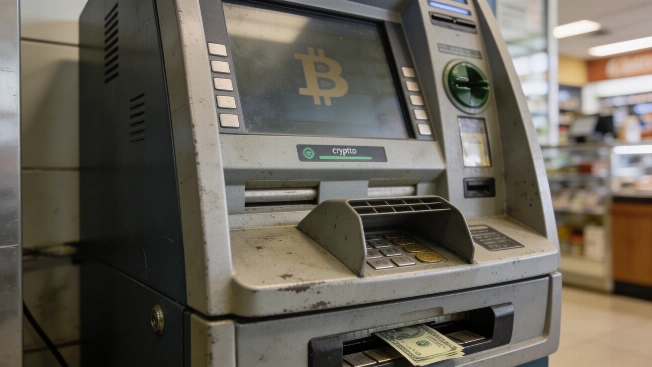
Crypto ATM Operators Face New Scrutiny Over AML and Scam Risks
Crypto ATM operators are under pressure to strengthen anti-money laundering controls as regulators warn of rising scam losses and evolving criminal tactics. Enhanced monitoring, wallet screening, and consumer protections are now in focus.

Bybit Hack Shows Why Stolen Crypto Is So Hard to Recover
A $1.5 billion crypto theft tied to North Korea highlights the limits of legal action and blockchain transparency, as most stolen funds vanish before courts can intervene and only a fraction is ever frozen or recovered

Crypto Hubs Compete on Tax, Regulation, and Market Access in 2026
Jurisdictions like the UAE, Switzerland, Singapore, and Hong Kong are attracting crypto investors and businesses by balancing tax advantages, regulatory clarity, and access to digital asset infrastructure
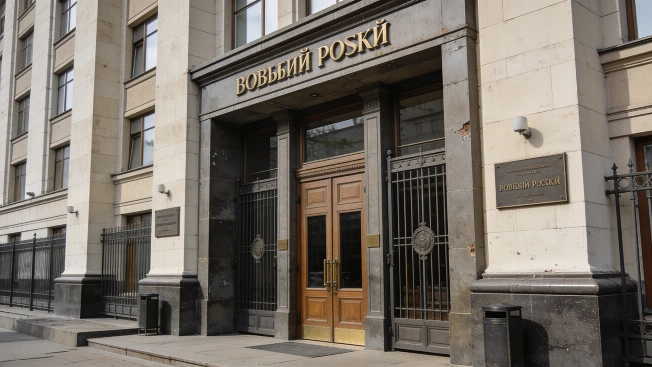
Russia Moves to Regulate Crypto Trading With New National Law
Russia's new crypto law, effective September 2026, will require exchanges, brokers, and depositories to obtain licenses and comply with strict oversight. Retail investors face annual purchase limits and knowledge tests, while crypto payments remain banned.
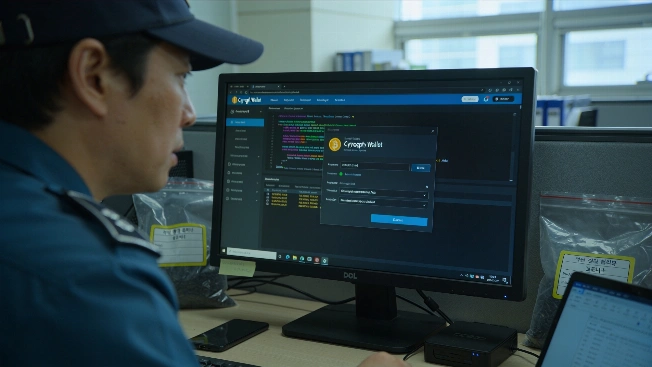
Fake Flare Network Site Drains $8.5M in XRP From Investors
A fraudulent staking website posing as Flare Network stole 3.4 million XRP from 71 investors in South Korea, with losses potentially exceeding $18 million as authorities investigate further victims and frozen assets.