
Prysm
2 storiesBlock production or node operation through Prysm relies on Prysm consensus client, with Go implementation providing the main technical context. Its practical operation includes validator client software, gRPC and REST APIs, and slashing protection database, affecting configuration, payouts, client compatibility, energy use, or participation in the network.
Reporting should test how Prysm performs its mining, validation, or node role, including deployment, maintenance, security, rewards, interoperability, and slashing protection database. Token prices do not define Prysm; this page concerns the equipment, software, protocol, or operator function expressed through slashing protection database.
Reporting should test how Prysm performs its mining, validation, or node role, including deployment, maintenance, security, rewards, interoperability, and slashing protection database. Token prices do not define Prysm; this page concerns the equipment, software, protocol, or operator function expressed through slashing protection database.
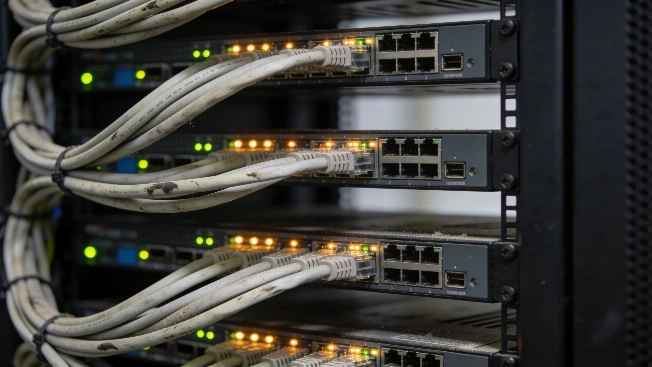
Ethereum Glamsterdam upgrade goes live on Sepolia testnet with new gas rules
Ethereum's Glamsterdam upgrade is now running on the Sepolia testnet. It brings protocol-level proposer-builder separation, block-level access lists, and a new gas pricing model that could change how blocks are built and validated.
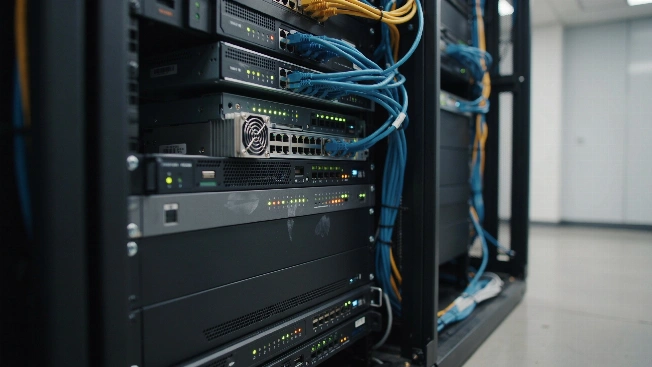
Ethereum Testnet Expands Block Validation Window Ahead of Major Upgrade
Ethereum node operators can now test the upcoming Glamsterdam upgrade on the Platåberget public network, which extends the critical block validation window from about two seconds to nine seconds and introduces new architectural changes.