
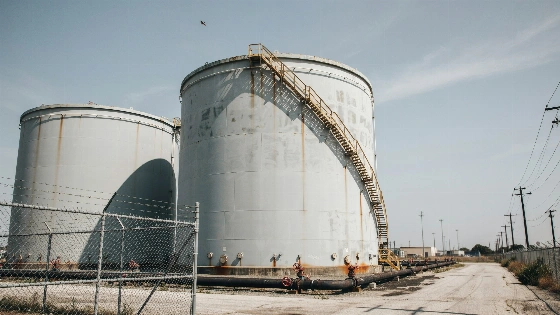
The US is offering up to 40 million barrels from its oil reserve for late 2026 delivery. No oil has moved yet, but the plan could shift inflation and rate outlooks that matter for Bitcoin holders.
Bitcoin is back in the spotlight as the US Department of Energy puts up to 40 million barrels of crude oil from the Strategic Petroleum Reserve on the table. The DOE set a bid deadline for October 6, with deliveries aimed for November and December. So far, there's been no clear move in crypto or bond markets. Still, the size and timing of this offer could shape inflation expectations and the Federal Reserve's next steps-two things that have often moved Bitcoin's price.
Oil supply and inflation risk
The DOE's notice, published September 29, could add more crude to the market later this year. This 40-million-barrel cap is part of the earlier 172-million-barrel US release plan. It's not extra supply. No barrels have been awarded yet. The oil won't reach buyers before the Bureau of Economic Analysis posts its August personal consumption expenditures (PCE) price index on September 30. So, the latest inflation numbers won't show any effect from this reserve offer or late-September oil moves.
The DOE's 40-million-barrel exchange is the final US tranche under a 172-million-barrel commitment, directly tied to the IEA's broader 400-million-barrel international pledge.
For Bitcoin investors, the link between energy prices, inflation, and monetary policy is always in focus. If the DOE's move changes oil price forecasts, it could ripple through inflation outlooks, bond yields, and the Fed's rate decisions. But as of now, there's no sign of a reaction in these markets or in Bitcoin's price.
Market context and timing
Recent inflation and rate numbers set the stage for this oil release. The BEA's August 26 report put July headline PCE inflation at 3.7% year over year. Core inflation was 3.3%. The Federal Reserve raised its policy-rate range to 3.75%-4% on September 16, pointing to stubborn inflation. The Energy Information Administration's September outlook, finished before the DOE's reserve notice, saw Brent crude near $90 a barrel in the second half of 2026. That forecast reflects tight inventories and Middle East supply limits. It doesn't factor in the new reserve offer, so the market impact is still unknown.
On September 29, Treasury data showed a two-year yield at 4.89% and a 10-year yield at 5.26%. Bitcoin traded near $83,000, according to CryptoSlate's September 30 snapshot. These numbers give context but don't show a direct link between the DOE's announcement and market moves. The next key date is October 6, when bids are due. Only then will we know how much oil could actually hit the market in November and December.
In June 2026, a similar DOE offer for 40 million barrels saw weak demand, with companies taking only about 500,000 barrels-highlighting the importance of market appetite for such exchanges.
Crypto market sensitivity
Bitcoin's price often reacts to inflation and interest rate expectations, especially when energy prices and policy changes shake up risk assets. The DOE's reserve offer hasn't moved the needle yet, but it could still change inflation dynamics. As reported earlier, past energy price spikes have made crypto investors more nervous about inflation, showing how exposed the sector is to big economic shocks.
For now, the market is waiting. Investors are watching for the BEA's August PCE data and the results of the DOE's oil exchange. The real impact on Bitcoin and crypto will depend on whether the reserve release actually shifts inflation expectations or changes the Fed's rate plans. Until then, the announcement is a reminder that Bitcoin's fate is still tied to the same economic forces that move traditional markets.
The Strategic Petroleum Reserve is a government stockpile meant to protect the US from major supply shocks. When the DOE offers barrels for exchange or sale, it can move oil prices just by signaling more supply, even before any oil is delivered. For Bitcoin and other cryptocurrencies, these big-picture economic levers matter because they affect inflation, interest rates, and how much risk investors are willing to take. Crypto markets sometimes move on their own, but periods of high inflation or tough monetary policy have often made Bitcoin more volatile and tested its reputation as an inflation hedge. Anyone tracking crypto and macro markets needs to watch how government energy policy and the wider economy interact.