Foreign visitors in Japan can now use Binance Pay to spend crypto at select offline stores, with instant conversion to yen at checkout. The feature is only for tourists, not Japanese residents, and requires identity checks.
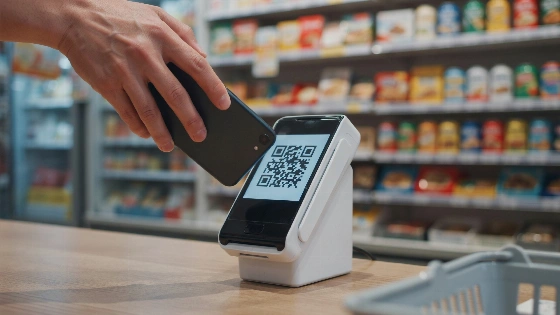
Tourists with crypto in their Binance accounts can now use those funds at certain physical stores in Japan. This is possible through a new link-up with PayPay, the country's biggest payment network. But there are strict rules: only foreign visitors can use the service. Japanese residents, even those with Binance Japan accounts, are left out. The move shows how tricky cross-border crypto payments remain in tightly regulated markets.
Tourist-only crypto payments
PayPay had approximately 71.8 million registered users as of June 2026, making it one of the largest payment networks in Japan.
Conversion and restrictions
Binance says users can pay with more than 100 cryptocurrencies, including USDT, USDC, Bitcoin, Ethereum, and BNB. Before paying, users can check the exchange rate. But Binance does not say exactly what the foreign-exchange spread or conversion fee is, so the total cost is not fully clear. Payments and refunds are handled as separate transactions. Refunds may not match the original payment because of rate changes and spreads. Not every PayPay merchant is included. Online stores, some taxis, vending machines, barcode-only shops, and stores that need Japanese ID are excluded. A PayPay sign at a store does not guarantee it will accept Binance Pay. Both the user and the merchant must support the cross-border service.
Operational impact and market context
Japanese residents cannot use Binance accounts for domestic shopping with this feature. Online crypto payments are also not allowed. The service is aimed at international visitors who have passed Binance's identity checks. Merchants do not face crypto price swings, since they only get yen. This move fits a wider trend of payment networks testing stablecoin and crypto settlement. For example, SoFi Bank and Mastercard have enabled stablecoin settlement for card payments, as reported earlier. But it is still unclear how much these integrations will change real-world payments.
Numbers and scope
PayPay framed the launch as part of a broader strategy to expand collaboration with overseas cashless payment services, aiming to capture inbound tourism demand in Japan. This selective rollout reflects the regulatory and operational complexities of enabling cross-border crypto payments in high-compliance markets.
Cross-border crypto payments often run into regulatory, technical, and operational roadblocks. Here, the need for identity checks and the ban on Japanese residents show both compliance demands and the careful approach of payment networks in strict markets. For U.S. readers, this shows how crypto payment adoption can be fragmented. Geographic limits, eligibility checks, and merchant opt-in all shape how useful these services are. As payment networks and exchanges keep testing crypto settlement in real stores, the real impact will depend on user demand, merchant support, and how clear the conversion costs are.