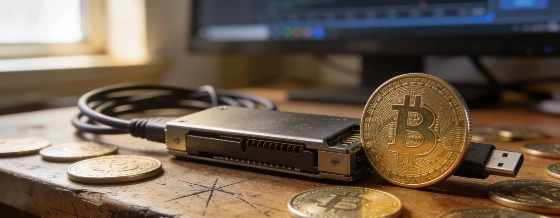
Getting XZXX as a BRC-20 token on Bitcoin isn't as simple as sending BTC-users need to check token details, wallet support, and network compatibility to avoid mistakes and security risks.
One mistake with XZXX can mean losing your tokens for good. This BRC-20 meme token, built on Bitcoin's Ordinals protocol, isn't something you can just send to any Bitcoin wallet. Treating XZXX like a regular BTC transfer can lead to lost access, extra fees, or falling for phishing scams that target your private keys or seed phrase.
Verification before purchase
Before buying, make sure you're looking at the real XZXX BRC-20 token-not a copy, a fake inscription, or a version on another network. Check the ticker, confirm it's BRC-20 on the Bitcoin network, and look at inscription numbers and deployer details. A familiar logo or a mention on social media isn't enough. BRC-20 tokens use inscription data, not smart contracts, so a mismatch in identifiers can make your tokens unrecoverable.
BRC-20 tokens on Bitcoin require specialized wallets with Ordinals support-standard BTC wallets often cannot display or transfer these assets, increasing operational risk.
Bitnovo Blog
Wallet compatibility is essential. Many Bitcoin wallets only handle BTC and ignore BRC-20 tokens. Even if a wallet accepts BTC, it might not show or let you transfer XZXX. Choose wallets that specifically support BRC-20 assets, including inscription visibility and transfer features. Hardware wallets add another layer-some models or firmware versions don't recognize BRC-20 tokens or can't sign the right transactions.
Choosing a route and managing fees
You can buy XZXX in two main ways: through a centralized platform or an on-chain marketplace. Platforms usually require you to fund an account, place an order, and withdraw the asset. On-chain marketplaces need a direct wallet connection and Bitcoin transactions. Each method has its own custody setup, order risks, and withdrawal steps. Platforms may offer market and limit orders, but thin order books can cause slippage or partial fills. On-chain purchases depend on Bitcoin settlement and may include both network and marketplace fees.
Every step can add costs. Trading fees, withdrawal fees, network fees, and slippage all eat into your purchase. The price you see is rarely the price you get. Always check the total cost before confirming, including minimum withdrawals and processing limits. Sending a small test transfer can help, but it doesn't guarantee future transfers will work or that your wallet will recognize XZXX.
BRC-20 tokens differ fundamentally from newer Bitcoin-native assets like Runes: BRC-20 relies on inscription data attached to individual satoshis, while Runes use the UTXO model and OP_RETURN. This distinction is crucial, as confusion between standards can result in lost or misdirected assets.
Bitnovo Blog (source)
Security and storage risks
Storing XZXX safely is its own challenge. Protect your seed phrase and private keys-if someone gets them, your tokens are gone. Phishing attacks often use fake wallets, counterfeit marketplaces, or malicious browser extensions. No real support channel will ever ask for your seed phrase or private key. Only download wallet software from trusted sources and never enter sensitive info on suspicious sites or in response to unsolicited messages.
Some people use separate wallets for trading and storage to limit risk. A trading wallet connects to marketplaces and is more exposed to signing requests and possible compromise. A storage wallet, used only after double-checking the address and asset type, can lower risk but not remove it. Compatibility is always changing: BRC-20 support varies between wallets, indexers, and marketplaces, and the experimental nature of the standard means visibility and transferability can shift as tools update.
Address and inscription checks
Always verify the destination address and asset identifier. Copying and pasting addresses is safer than typing, but malware can still swap clipboard contents. Double-check the start and end of addresses and confirm the network label. For the asset, compare the ticker, deployment details, and inscription number with trusted sources. If any wallet, marketplace, or explorer shows conflicting info, stop the transaction.
On-chain confirmation isn't instant. A transaction marked as "broadcast" or "submitted" doesn't mean your XZXX is available. Save transaction hashes, check block explorers for confirmation, and give indexers time to sync. If your balance doesn't show up, contact only verified support-never share private keys or allow remote access.
Market data for BRC-20 tokens like XZXX is still scattered. As of June 2026, major Bitcoin explorers and Ordinals indexers report that BRC-20 transfers can cost $2 to $15 in network fees per transaction, depending on congestion and inscription size. Some on-chain marketplaces add service fees of 0.2% to 1% per trade, while centralized platforms may charge withdrawal fees of $5 to $20 in BTC. Liquidity for meme tokens like XZXX is often thin, with wide bid-ask spreads and shallow order books, so slippage and partial fills are common.
Tokenized assets on other networks have faced similar problems. For example, the BNC4 launch on BNB Chain brought new risks and price gaps compared to traditional markets, showing why it's important to check token standards and network compatibility before buying.
For U.S. users, the lack of standard wallet support and the experimental status of BRC-20 tokens mean recovery options are limited if something goes wrong. Unlike ERC-20 tokens on Ethereum, which use smart contracts and have broad wallet support, BRC-20 tokens depend on how each wallet or indexer reads inscription data. This fragmentation means your assets can become invisible or inaccessible if a service drops support or changes its indexing. In short: buying and storing XZXX on Bitcoin isn't a casual move. It takes technical care, careful checks, and a willingness to accept liquidity and compatibility risks that most mainstream crypto assets have already solved.
BRC-20 tokens are a new type of fungible asset on Bitcoin, using inscription data instead of smart contracts to track balances and transfers. This lets people create tokens without changing Bitcoin's core protocol, but it also brings unique risks. Unlike account-based tokens, BRC-20 assets rely on outside indexers and wallet software to interpret inscription data, so compatibility and visibility depend on third-party tools. As the ecosystem changes, expect wallet support, fee structures, and marketplace features to keep shifting. Anyone thinking about BRC-20 tokens should weigh these factors before putting money in.