The Blockchain Association is pressing the Supreme Court to review Custodia Bank's denied Fed master account, warning the current legal stance could let federal regulators block crypto banks from the U.S. payments system.
The Blockchain Association is calling on the U.S. Supreme Court to intervene in a high-stakes dispute over whether the Federal Reserve can deny state-chartered crypto banks direct access to the nation's core payment infrastructure. The trade group filed an amicus brief on August 13, urging the Court to review the case of Custodia Bank, a Wyoming-based institution focused on digital assets, after lower courts upheld the Federal Reserve Bank of Kansas City's decision to reject Custodia's application for a Fed master account.
Master Account Access at Stake
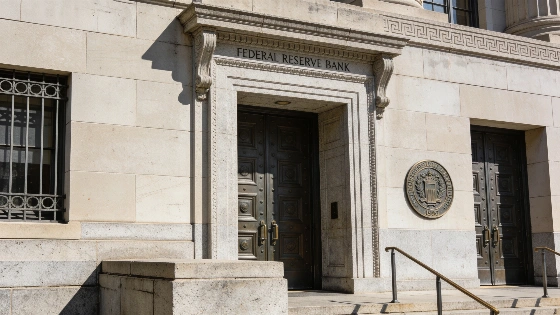
At the heart of the dispute is the Fed master account-a critical gateway that allows banks to settle payments directly through the Federal Reserve, bypassing intermediaries. Custodia Bank, which received a Wyoming state charter in 2020, sought this access to offer digital asset services with direct settlement. In 2023, the Kansas City Fed denied Custodia's application, and the Tenth Circuit Court of Appeals later upheld that decision. With the appellate court declining to rehear the case in March 2026, Custodia's only remaining legal avenue is the Supreme Court.
Regulatory Power and Crypto Banking
The Blockchain Association argues that the lower court's ruling effectively gives the Federal Reserve unchecked authority to exclude any state-chartered bank from the U.S. payments system, regardless of state-level approval. The group warns that this could allow federal regulators to "debank" lawful crypto businesses at their discretion, undermining the dual banking system that lets both state and federal authorities charter banks. The Association links Custodia's situation to broader concerns about "Operation Choke Point 2.0," a term used by critics to describe alleged efforts by federal agencies to pressure banks into cutting ties with digital asset firms.
Industry Impact and Competing Approvals
The legal battle comes as other crypto-focused institutions have made progress with federal and state regulators. In March 2026, Kraken Financial became the first crypto banking unit to secure a limited-purpose master account from the Kansas City Fed, granting it direct access to Fedwire. Coinbase received conditional approval from the Office of the Comptroller of the Currency (OCC) to establish a national trust company in April 2026, while Circle obtained final OCC approval for its own national trust bank in July. The OCC also conditionally approved applications from Ripple, BitGo, Fidelity Digital Assets, and Paxos in December 2025. Despite opposition from the Independent Community Bankers of America, which argues that crypto firms seek the benefits of bank charters without full regulatory oversight, the pace of applications has not slowed.
Broader Stakes for Crypto and Banking
The outcome of Custodia's Supreme Court petition could set a precedent for how much discretion the Federal Reserve has in granting or denying payment system access to state-chartered banks, especially those serving the digital asset sector. If the current legal interpretation stands, federal regulators could override state-level decisions simply by withholding access to essential payment infrastructure, raising questions about the future of crypto banking in the U.S. As of now, the Supreme Court has not agreed to hear the case, leaving the industry in a state of uncertainty.
According to Federal Reserve data, as of June 2026, more than 9,000 financial institutions hold master accounts, but only a handful of crypto-focused banks have received even limited access. The Kansas City Fed's approval of Kraken Financial's master account in March 2026 marked a rare exception, highlighting the selective nature of access for digital asset firms. The OCC's conditional and final approvals for several crypto companies in 2025 and 2026 reflect growing regulatory engagement, but also underscore the fragmented and evolving landscape for crypto banking in the U.S.
Master accounts are a foundational element of the U.S. banking system, enabling direct settlement of payments and reducing reliance on correspondent banks. For crypto-focused institutions, access to a master account can determine whether they can offer competitive, efficient services or remain dependent on third-party banks that may be reluctant to serve digital asset businesses. The current legal battle highlights the tension between state innovation in banking charters and federal control over payment infrastructure-a dynamic that will likely shape the future of crypto banking access in the United States.