BloFin Wallet is part of a new wave of crypto wallets that combine trading, yield, and payment features, aiming to streamline digital asset management and reduce friction for users navigating the Web3 ecosystem
As cryptocurrency wallets evolve beyond basic storage, a new generation of all-in-one products is emerging to connect trading, yield, and payment functions in a single interface. This shift reflects changing user expectations and the growing complexity of digital asset management, as platforms compete to offer more seamless experiences for both new and experienced users.
Integrated Wallets Gain Traction
Historically, crypto users needed to move assets between separate wallets, exchanges, DeFi protocols, and payment services to access different financial tools. Each transfer introduced additional fees, operational complexity, and security risks. Today, integrated wallets like BloFin Wallet are consolidating these functions, aiming to reduce friction and make digital assets more usable in both investment and everyday contexts.
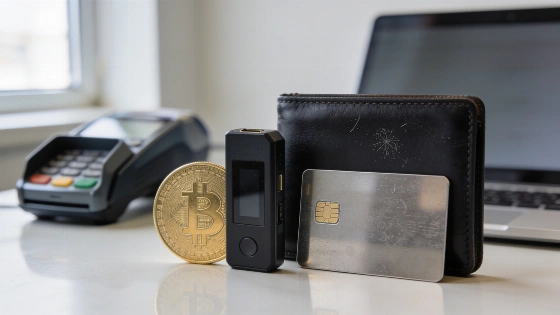
BloFin Wallet, for example, combines asset storage, perpetual contract trading, yield-generating products, and Visa Card payment capabilities. This approach allows users to shift assets between trading, earning, and spending without leaving the wallet environment. The company claims this model can help users respond more quickly to market opportunities, maximize idle asset utilization, and simplify real-world payments using crypto balances.
Changing User Expectations
The move toward integrated wallets is driven in part by rising user expectations for convenience and efficiency. As the Web3 ecosystem matures, users increasingly expect digital asset services to work together without manual transfers or complex workflows. According to BloFin, its unified platform is designed to lower the barriers for new users and reduce the operational overhead for experienced participants.
This trend is not unique to BloFin. Other projects are also exploring ways to streamline onboarding and reduce fragmentation in the Web3 user journey. For instance, some platforms are introducing AI-powered education agents to help users navigate blockchain basics, DeFi, and smart contracts, as seen in projects like TUT on BNB Chain. The broader goal is to make digital asset management more accessible and less intimidating for a wider audience.
Expanding Wallet Capabilities
Integrated wallets are also expanding their feature sets to support a wider range of Web3 activities. Beyond trading, yield, and payments, future wallet updates may include cross-chain asset management, tokenized real-world assets (RWAs), on-chain identity verification, and AI-powered assistants. These additions could further position wallets as the primary interface for interacting with both decentralized and traditional financial services.
For platforms, the race to build comprehensive wallet ecosystems is shifting competition away from isolated product features and toward broader user engagement. By centralizing more functions, wallets may increase on-chain activity and deepen user relationships, but they also introduce new technical and security challenges. The effectiveness of these integrated models will depend on execution, regulatory compliance, and the ability to manage risks associated with custody, smart contracts, and third-party integrations.
According to data from DeFiLlama, the total value locked (TVL) in DeFi protocols exceeded $90 billion as of June 2024, reflecting continued demand for yield and trading opportunities across the Web3 ecosystem. As more users seek to access these services through unified wallet platforms, the ability to move assets efficiently and securely between functions is likely to remain a key differentiator.
Integrated wallets represent a significant evolution in how users interact with digital assets. By combining storage, trading, yield, and payment features, these products aim to reduce operational friction and make crypto more practical for everyday use. However, the complexity of managing multiple financial services within a single interface introduces new risks and dependencies. Users should remain aware of custody arrangements, security practices, and the limitations of each wallet's supported features when choosing a platform for their digital assets.