
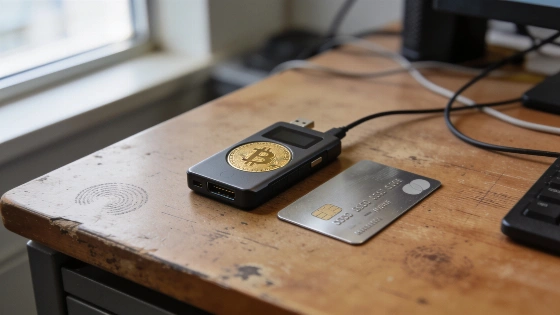
Integrated crypto wallets now combine trading, yield, and payments, reducing friction for users who want to manage digital assets, trade, and spend-all within a single platform. This shift could reshape how users interact with both crypto and traditional finance.
Cryptocurrency wallets have evolved far beyond their original role as digital storage for tokens. Today, some wallets are positioning themselves as all-in-one financial platforms, aiming to streamline how users manage, trade, and spend digital assets. This shift reflects growing demand for unified solutions that reduce the need to move funds between exchanges, DeFi protocols, and payment services.
Unified Wallet Architecture
Traditional crypto management often requires juggling multiple platforms: a wallet for storage, an exchange for trading, a separate protocol for yield, and a third-party service for payments. Each transfer introduces friction, fees, and operational risk. Integrated wallets, such as BloFin Wallet, seek to address these pain points by combining asset management, perpetual contract trading, yield products, and payment cards within a single interface. According to BloFin, this model is designed to minimize cross-platform transfers and help users keep assets productive without leaving the wallet ecosystem.
Trading, Yield, and Payments in One Place
BloFin Wallet's approach centers on a workflow where users can store assets, trade perpetual contracts, allocate idle funds to yield-generating products, and spend crypto via a Visa card-all without moving funds externally. The wallet supports over 100 trading pairs for perpetual contracts, a type of derivative that allows leveraged trading without expiration. While this integration brings trading functionality directly to wallet users, it also introduces the risks associated with derivatives, including leverage and price volatility. BloFin claims its risk management systems are designed to address these challenges, but users should remain aware of the inherent risks of perpetual trading.
For users who do not trade actively, the Earn feature allows idle assets to be allocated to yield products, potentially generating returns while waiting for market opportunities. When users want to spend crypto, the Visa card enables payments at merchants that accept Visa, as well as through mobile payment platforms like Apple Pay and Google Pay. This design aims to let a single digital asset move flexibly between holding, trading, earning, and spending, all within one platform.
Reducing Friction and Expanding Use Cases
The push toward integrated wallets is part of a broader trend in Web3, where users expect more seamless experiences and greater liquidity for their funds. By consolidating trading, yield, and payments, wallets like BloFin aim to become gateways between crypto and traditional finance. This approach could reduce the operational burden of managing multiple accounts and wallets, while also lowering the costs and risks of frequent transfers. As more platforms pursue this model, the distinction between wallets, exchanges, and payment services may blur further.
Integrated wallets are not the only area where user experience is being reimagined. For example, projects like TUT are introducing AI-powered education agents to help onboard new users to blockchain and DeFi, as described in EgonCoin's coverage of AI-driven onboarding tools for Web3 learning. These developments reflect a broader industry focus on reducing barriers and making crypto more accessible to mainstream users.
According to data from DeFiLlama, the total value locked (TVL) in DeFi protocols exceeded $90 billion as of June 2024, highlighting the scale of assets that could benefit from more efficient management and integration. As wallets add more features, the competition to offer a seamless user experience is likely to intensify, with implications for both user retention and platform security.
Security and Risk Considerations
While integrated wallets offer convenience, they also concentrate risk. Combining trading, yield, and payments in one platform means that a compromise-whether technical, operational, or custodial-could affect all aspects of a user's digital finances. Users should evaluate the custody model, security practices, and regulatory status of any wallet before entrusting significant assets. In the U.S., the availability of certain features, such as perpetual contracts or crypto-linked payment cards, may be subject to regulatory restrictions or geographic limitations.
Integrated wallets may also introduce new attack surfaces, as more complex functionality increases the potential for software vulnerabilities or social engineering attacks. Users should remain vigilant about phishing, malicious approvals, and device security, and consider using hardware wallets or multisignature arrangements for larger balances or long-term holdings.
As the wallet landscape evolves, the balance between convenience and security will remain a central concern for both users and providers. The integration of trading, yield, and payments may offer a glimpse of how digital asset management could look in the future, but it also raises new questions about risk, regulation, and user protection.
Integrated crypto wallets represent a significant shift in how users interact with digital assets. By combining storage, trading, yield, and payments, these platforms aim to reduce friction and expand the practical use of cryptocurrencies. However, the consolidation of services also means that users must pay closer attention to security, custody, and regulatory compliance. As the market matures, the success of integrated wallets will depend on their ability to deliver both convenience and robust protection for users' assets.