Buying Harmony One on Gate means handling spot order mechanics and matching withdrawal networks. A single misstep with order type or network can block trades or drain funds. Here's what users face.
Harmony One buyers on Gate run into a maze of operational steps before any tokens land in their account. Each stage-account setup, funding, order placement, and withdrawal-carries its own risk. U.S. residents and newcomers to altcoin spot trading often find that the smallest oversight can turn a routine purchase into a costly error. Exchanges rarely spell out these pitfalls in their promotional copy.
Spot trading mechanics
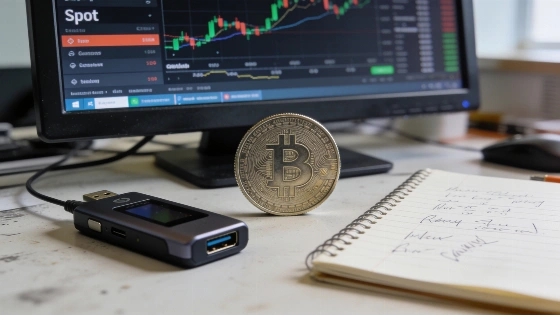
Harmony runs as a public blockchain for decentralized apps, with ONE as its native token for fees and incentives. On Gate, users get ONE through the ONE/USDT spot pair. That means funding the account with USDT or another supported asset, then using the spot market interface to place a buy order. Market orders fill at the current price, while limit orders wait for a set price.
Gate's global platform listed over 1,500 coins and nearly 1,700 trading pairs as of August 2026, while Gate US offered only 5 coins and 5 pairs, highlighting major regional differences in asset access.
Spot trades settle directly into the user's account, unlike leveraged products. Once filled, the ONE balance is ready for holding, selling, or withdrawal. The process looks simple on paper, but users must double-check the trading pair, order type, and amount before confirming. Picking the wrong pair or mixing up market and limit orders can leave trades unfilled or trigger unwanted results.
Account security and funding
Gate enforces identity checks (KYC) and two-factor authentication before any trading, deposit, or withdrawal. Funding can come from card payments, P2P transfers, on-chain deposits, or an existing USDT balance. Each method brings its own hurdles: card payments may add fees or limits, P2P trades require close reading of ad terms and payment windows, and on-chain deposits demand exact network and address matches. A network mismatch can block credits or wipe out funds.
Before trading, users need to confirm their USDT sits in the right account for spot orders. Trying to trade from the wrong wallet segment is a common slip. Gate's order preview shows estimated proceeds and fees, but these numbers can shift-market depth and liquidity may move the final price, especially for bigger trades.
Gate's product availability and asset listings vary significantly by jurisdiction. U.S. residents are generally restricted from using the global Gate platform and must use Gate US, which supports a much smaller set of coins and trading pairs. Always check your region's eligibility and the current list of supported assets before attempting to trade.
Withdrawal risks and operational pitfalls
Withdrawing ONE adds another layer of risk. Users must pick the Harmony network and enter a compatible wallet address. Sending tokens to the wrong network or an incompatible address can erase funds for good. Gate suggests starting with a small test withdrawal to check network compatibility before moving larger sums. Off-platform "support" contacts or requests to change withdrawal addresses often signal phishing or theft attempts.
Order status needs checking after every trade. Submitting an order does not guarantee instant conversion-market orders may fill fast, but limit orders can sit open or partially filled if the price never hits. Users should review their order and trade history and check their spot account balance to confirm the expected ONE amount. Unfilled or partially filled orders won't show the full intended balance until finished or canceled.
Spot trading versus other strategies
Spot trading gives direct asset ownership, with no leverage or liquidation risk. This appeals to beginners, but it does not shield them from price swings, fees, or operational mistakes. Futures and margin products bring leverage and extra risk, but those sit outside spot-only steps. For first-time buyers, sticking to spot trading and checking every detail is the safest route.
Harmony's technical features-sharding and cross-shard messaging-aim to boost throughput and keep fees low, but these do not change the process of buying or withdrawing ONE on Gate. Users should stick to official documentation and live network status pages for technical claims, not third-party videos or unofficial support.
Gate's published process lists the key steps for a successful ONE buy: finish account and identity checks, fund with USDT, confirm the ONE/USDT spot pair, pick the right order type, and check the resulting balance. For withdrawals, matching the Harmony network and address is critical. Operational errors-wrong pair, ignoring order estimates, or mismatched withdrawal networks-cause most losses or delays.
Harmony One's listing on Gate fits the wider altcoin spot trading trend, where user error and operational risk often outweigh technical or market issues. As reported earlier, most crypto losses come from operational mistakes, not technical hacks. U.S. users face a clear message: slow down, check every step, and treat each transaction as a possible failure point. The exchange supplies the tools, but safe execution falls on the user.
Harmony One's spot trading volume on Gate depends on user demand and liquidity in the ONE/USDT pair. Gate does not publish real-time volume for every asset, but spot market depth and order book transparency matter for users aiming to execute larger trades without heavy slippage. Minimum trade sizes and fees are set by the exchange and can be checked on the live trading page before submitting orders.
Spot trading on centralized exchanges like Gate differs from self-custody or decentralized trading. Users holding assets on an exchange are bound by the platform's custody, withdrawal, and security rules. While exchanges offer convenience and liquidity, they do not match the control or protection of self-custodial wallets. Users must weigh ease of use against operational risk and custody terms when deciding where to buy, hold, or withdraw digital assets.