Professional traders now access Kalshi election market data faster through DoubleZero, but retail bettors may still struggle to secure fair prices as speed and infrastructure widen the gap in prediction markets
When political news breaks, the odds you see for an election bet on your phone may already be out of date. Professional trading firms now have a new tool: DoubleZero's Edge service, which delivers Kalshi's election market data over a dedicated network. This gives institutional players a speed advantage that retail users can't easily match.
Speed and market structure
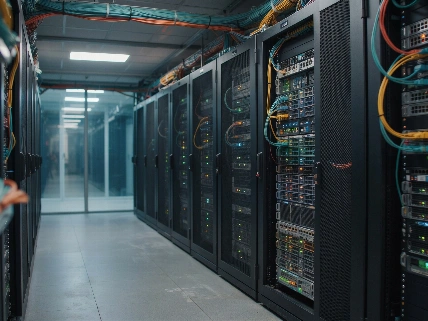
Prediction markets like Kalshi let users buy yes-or-no contracts on political outcomes, with prices reflecting the market's implied probability. But these prices change quickly. When news hits, traders move fast, and the best offers can vanish in seconds. DoubleZero's Edge service streams Kalshi's order book directly to subscribers, showing price and quantity changes in real time. This setup is built for professional trading companies and market makers-firms that profit by constantly quoting prices and managing risk across many contracts.
EgonCoin Research
Retail bettors, by contrast, usually access markets through mobile apps or standard web interfaces. By the time their orders reach the exchange, the price may have moved and the opportunity is gone. Edge subscribers still need advanced software and capital to act on the data, but the infrastructure lowers the technical barrier for firms already set up to compete at scale.
Who benefits from faster data?
DoubleZero says that faster, more reliable data can help market makers update their quotes more quickly, which could narrow spreads-the gap between the highest price a buyer will pay and the lowest price a seller will accept. In theory, if enough firms compete, retail users might see better prices and more liquidity. But access to the same data feed does not mean everyone is on equal footing: large firms can spread costs across more trades and use advanced algorithms, while individual bettors are left with whatever prices remain after the professionals have acted.
For those holding positions for months, a millisecond advantage may not matter. But for firms trading in and out of contracts on every news update, speed is everything. If a market maker is slow to react to a surge in demand, they risk selling contracts too cheaply and taking repeated losses. Over time, this can lead to wider spreads and less favorable terms for ordinary users.
WEEX News
Market depth and transparency
Kalshi's order book shows the prices and quantities available, but a price supported by only a handful of contracts may not reflect what a larger trade would cost. Sudden price moves can result from traders pulling offers rather than new information about the election. The public often treats these prices as authoritative probabilities, but without context on market depth and liquidity, the numbers can mislead.
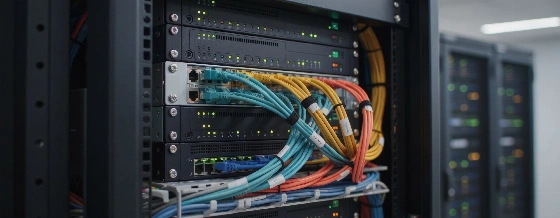
DoubleZero's infrastructure also brings crypto-native elements into the mix, combining private fiber networks and blockchain services for Solana validators. This approach aims to make election data a more direct input into financial decisions, such as crypto trading strategies that factor in political outcomes. Still, even with perfect information, a correct political forecast can lead to a losing trade if the price paid is too high or if the market has already priced in the news.
Regulatory and security risks
Speed is not the only concern. The Commodity Futures Trading Commission (CFTC) has flagged cases where traders used confidential information, such as a candidate betting on their own race or a YouTube editor trading on unpublished videos. These incidents go beyond fast data-they involve conduct and information advantages that raise regulatory and ethical questions. Platforms must distinguish between legitimate use of public market data and prohibited insider trading, a challenge that grows as infrastructure becomes more sophisticated.
According to earlier reporting, prediction markets have attracted significant speculative interest, but the commercial value of faster data depends on whether it actually improves prices for end users. Without clear evidence from real trades during high-volume events, the promise of better odds for retail bettors remains unproven.
On Kalshi, a standard yes-or-no contract pays $1 if the outcome occurs and nothing if it does not. For example, buying a contract at 60 cents means risking 60 cents for a potential 40-cent profit before fees. Traders can also sell contracts before the event, profiting from price changes rather than the final result. The exchange uses price-time priority, so both price and order timing determine execution. While DoubleZero's Edge feed delivers data faster, it does not guarantee priority in the order queue-trading software and network latency still matter.
For now, the main beneficiaries of faster election market data are likely to be professional trading firms and market makers. Retail users may see some improvement in spreads and liquidity if competition intensifies, but the infrastructure gap remains wide. The real test will come during major political events, when market depth, speed, and transparency are put under pressure.
Prediction markets continue to evolve as both a tool for political forecasting and a speculative trading venue. The addition of high-speed data feeds and crypto infrastructure may improve efficiency for institutional players, but the benefits for ordinary bettors are far from guaranteed. As the market matures, the gap between professional and retail participants could widen unless platforms find ways to make speed and transparency accessible to all users.
Prediction markets rely on the idea that prices reflect the collective judgment of participants, but this only works if the market has enough depth and transparency. When only a small number of contracts support a price, or when professional traders dominate the order flow, the odds may not represent the broader electorate's views. For retail users, understanding how order books, spreads, and execution priority work is essential to navigating these markets-and to recognizing when the odds are less reliable than they appear.