
Crypto theft in 2026 is driven by phishing, weak passwords, and compromised devices-not blockchain flaws. Learn how layered security, hardware wallets, and vigilant habits can reduce the risk of losing your cryptocurrency.
Cryptocurrency ownership in 2026 brings new opportunities-and new risks. While blockchain networks like Bitcoin and Ethereum remain technically robust, most crypto losses stem from compromised passwords, phishing attacks, malware, or user mistakes, not from flaws in the underlying protocols. As digital assets become more mainstream, attackers increasingly target the people and platforms surrounding blockchains, making practical security habits more important than ever.
Layered Security Strategies
Protecting crypto assets requires more than a single tool or habit. A layered approach-combining strong passwords, multi-factor authentication (MFA), reputable exchanges, hardware wallets, and offline backups-can significantly reduce the risk of theft or loss. For most users, the first step is choosing an exchange with transparent security practices, such as regular proof-of-reserves reporting and robust cold storage policies. Exchanges that keep the majority of customer funds in offline wallets and publish independently verifiable reserve data offer greater transparency, though proof-of-reserves is not a substitute for a full financial audit.
Account security is only as strong as its weakest link. Use a unique, randomly generated password for every crypto account, and store it in a reputable password manager. MFA should be enabled for logins, withdrawals, and security changes-preferably using an authenticator app or hardware security key rather than SMS, which is vulnerable to SIM-swapping. Treat your email account with the same level of protection, since email compromise can lead to account takeovers across multiple platforms.
Wallets, Recovery, and Custody Choices
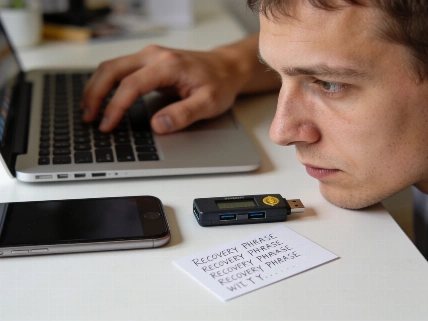
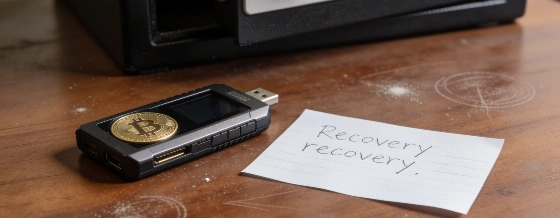
Understanding the difference between custodial and self-custody wallets is critical. Custodial wallets-typically provided by exchanges-hold private keys on your behalf, making account recovery easier but requiring trust in the platform's security and solvency. Self-custody wallets, including hardware wallets, give users direct control over private keys and recovery phrases. This control comes with responsibility: if you lose your recovery phrase, your assets may be unrecoverable. Never store recovery phrases in cloud storage, email, or screenshots. Instead, write them down and keep multiple physical backups in secure, separate locations.
Hot wallets-software wallets connected to the internet-are convenient for daily transactions but expose users to online threats. Cold wallets, such as hardware devices, store private keys offline and are better suited for long-term holdings. Many experienced investors use a hybrid approach: keeping trading capital on a reputable exchange and storing larger balances in a hardware wallet. For a deeper look at how crypto cards compare for daily spending and stablecoin use, see this guide to crypto cards and spending strategies.
Common Threats and Security Habits
Phishing remains one of the most effective ways attackers steal crypto. Fake websites, malicious wallet approvals, and social engineering can trick users into revealing credentials or approving unauthorized transactions. Always verify website URLs, use bookmarks for exchanges and wallets, and enable anti-phishing codes where available. Be skeptical of unsolicited messages on social media or messaging apps-legitimate support will never ask for your password, recovery phrase, or MFA codes.
Malware can replace copied wallet addresses or compromise devices. Keep operating systems and wallet software updated, use reputable antivirus tools, and avoid downloading software from untrusted sources. For large transfers, verify wallet addresses carefully and consider sending a small test transaction first. Public Wi-Fi networks increase risk; use mobile data or a trusted VPN when accessing financial accounts outside your home or office.
Hardware wallet best practices include buying devices directly from the manufacturer, initializing the device yourself, and testing recovery before transferring significant funds. Firmware updates should only be installed through official channels. Compartmentalizing funds-using separate wallets for trading, DeFi, and long-term storage-limits the impact of a single compromise.
Market Data and Security Incidents
According to blockchain security firms, global crypto thefts and scams resulted in billions of dollars in losses in 2025, with the majority attributed to phishing, compromised credentials, and malicious smart contract approvals rather than direct blockchain exploits. For example, Chainalysis reported over $3.8 billion in crypto stolen in 2022, and while technical attacks on protocols still occur, user-targeted scams remain the dominant threat vector. Security features such as withdrawal whitelists, device management, and regular permission reviews have become standard on leading exchanges and wallets.
Security is not a one-time setup. As new threats emerge, users should periodically review account activity, wallet permissions, and device security. Maintaining accurate transaction records and including crypto assets in estate planning can help ensure assets remain accessible in unexpected situations.
While no security measure is foolproof, combining strong operational controls, careful custody decisions, and vigilant online habits can dramatically reduce the risk of preventable loss. As the crypto ecosystem matures, attackers will continue to adapt, making ongoing education and regular security reviews essential for anyone holding digital assets.
Private keys and recovery phrases are the foundation of crypto ownership. Whoever controls them controls the assets. Unlike traditional bank accounts, there is typically no recourse if credentials are lost or stolen. This makes self-custody both empowering and risky. Users must weigh the convenience of custodial services against the responsibility and potential irreversibility of self-custody. As crypto adoption grows, understanding these trade-offs-and building habits to manage them-will remain central to digital asset security.