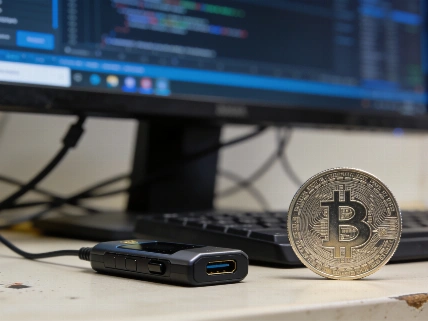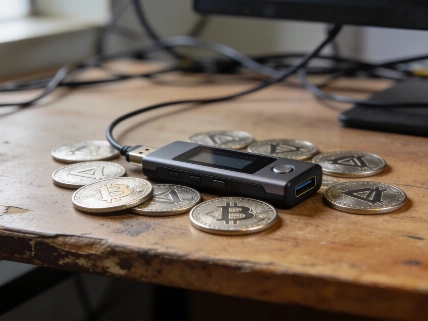
Cloud mining lets users rent remote computing power to earn crypto without owning hardware, but shifting fees, contract terms, and provider risks mean returns are far from guaranteed-especially as mining difficulty and market prices fluctuate
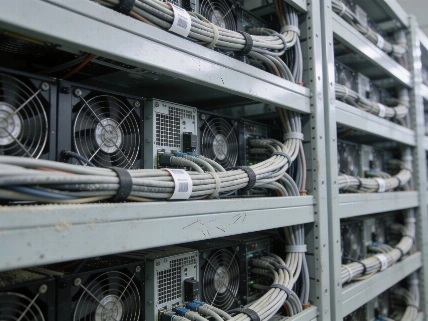
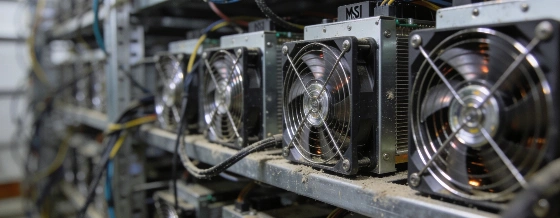
Cloud mining has emerged as a way for individuals to participate in cryptocurrency mining without purchasing or maintaining physical mining equipment. Instead, users rent hashing power from a provider, who operates the hardware in a remote data center and manages electricity, cooling, and maintenance. In exchange, customers receive a share of mining rewards based on the amount of computing power they lease and the terms of their contract.
How Cloud Mining Works
Providers typically offer several contract models, including fixed-term agreements, pay-per-hash rentals, and marketplace-based hashrate rentals. In a fixed-term contract, users pay upfront or in installments for a set amount of hashrate over a defined period-often ranging from a few months to two years. Pay-per-hash models allow users to rent computing power on a daily or hourly basis, with the flexibility to stop payments and end the service at any time. Marketplace platforms, such as NiceHash, match buyers and sellers of hashrate, taking a fee for facilitating the transaction.
Regardless of the model, the provider deducts operational costs-such as electricity and maintenance-from gross mining rewards before distributing payouts to users. Payout frequency and settlement methods vary, with some platforms offering daily distributions and others pooling rewards for periodic payments. The mining process itself involves validating blockchain transactions, with rewards typically paid in the mined cryptocurrency or, in some cases, converted to Bitcoin.
Comparing Platforms and Risks
Cloud mining profitability is influenced by several factors: the current block reward and transaction fees, the market price of the mined coin, network difficulty, contract fees, and the provider's operational efficiency. As mining difficulty increases or token prices fall, returns can shrink or even turn negative-especially for users locked into long-term contracts. Providers may advertise minimum investments ranging from as little as $10 to several hundred dollars, with contract lengths and payout structures varying widely.
When evaluating platforms, users should consider which cryptocurrencies are supported, how fees are structured, minimum purchase requirements, contract duration, and the transparency of hashrate sources. Evidence of owned hardware or verifiable data-center partnerships can help establish legitimacy, while user reviews and documented payout histories offer additional context. Some platforms, like BeMine and ECOS, claim to offer fractional ASIC ownership or operate within special economic zones, while others, such as Gate's exchange pool, support merged mining for multiple coins. For a broader look at automated crypto investment tools, see how recurring purchase products are being integrated by exchanges.
Profitability, Security, and Regulation
Cloud mining is not risk-free. Users face counterparty risk if a provider fails to deliver payouts or ceases operations, as well as contract risk if fees or terms change unexpectedly. Market risk is also significant: rising mining difficulty or falling token prices can erode returns, and some contracts may never reach break-even. Providers that promise guaranteed returns or short payback periods should be treated with skepticism, as these claims often mask underlying risks or unsustainable business models.
Due diligence is essential. Legitimate providers typically offer transparent hashrate reporting, clear fee schedules, and verifiable data-center relationships. Users should start with small test purchases, confirm payout mechanics, and establish clear exit criteria before committing larger amounts. Legal and tax treatment of cloud mining varies by jurisdiction, with some countries permitting the activity under standard commercial regulation and others imposing restrictions or outright bans. In the U.S., mining rewards are generally treated as taxable income or capital gains when coins are sold, but users should consult a tax professional for specifics.
According to data from BTC.com, Bitcoin's network difficulty reached a record high in June 2026, making it more challenging for miners-including cloud mining providers-to earn block rewards. As a result, many platforms have adjusted their contract terms and minimum investments, with some raising entry thresholds or shortening contract durations to reflect the increased operational costs and market volatility.
Cloud mining offers a lower barrier to entry for those interested in earning cryptocurrency without managing hardware, but it also transfers operational, market, and counterparty risks to the provider. Users must weigh the convenience of remote mining against the potential for reduced returns, limited control, and exposure to scams or unreliable operators. As with any crypto-related product, careful research and conservative expectations are critical to managing risk and avoiding costly mistakes.