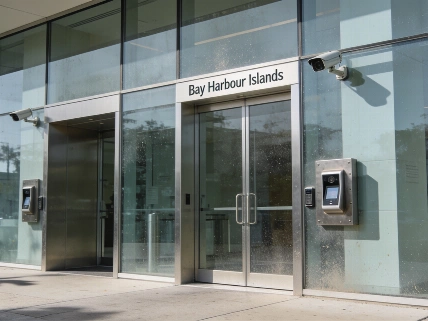

BitGo Korea received regulatory approval to offer crypto custody and transfer services to institutions just before South Korea imposed stricter requirements for virtual asset service providers
BitGo Korea has obtained a Virtual Asset Service Provider (VASP) registration from South Korea's financial intelligence unit, allowing the company to offer digital asset custody and transfer services to institutional and enterprise clients in the country. The approval was granted on August 18, just two days before South Korea's new, more stringent entry requirements for crypto firms took effect.
Regulatory Shift
The timing of BitGo Korea's registration is significant. On August 20, the Financial Services Commission expanded its oversight of VASPs, introducing broader scrutiny of shareholder backgrounds and mandating compliance with stricter standards for financial soundness, cybersecurity, internal controls, and anti-money laundering (AML) practices. These changes raise the bar for new and existing crypto service providers seeking to operate in South Korea's regulated market.
Local Entity and Strategic Investors
Unlike some foreign companies that have entered the Korean market by acquiring existing VASPs, BitGo Korea established a new local entity from the ground up. According to the company, this approach enabled it to design its security, AML, and operational frameworks specifically to meet South Korean regulatory expectations. Hana Financial Group and SK Telecom, both major players in Korea's finance and technology sectors, hold strategic shareholdings in BitGo Korea, signaling institutional support for the venture.
Market Impact and Industry Context
BitGo's entry comes as South Korea's crypto sector faces heightened regulatory scrutiny and evolving compliance demands. The new VASP rules are expected to limit the number of firms able to meet the higher standards, potentially consolidating the market around well-capitalized and compliance-focused providers. This development follows a broader trend of international crypto companies adapting their business models to local regulatory environments, as seen in other recent moves such as Ripple's expansion of cross-border payment partnerships with Korean banks, including Jeonbuk Bank's adoption of near-instant cross-border payment solutions.
According to South Korea's Financial Services Commission, the updated VASP regime requires applicants to demonstrate robust internal controls, transparent shareholder structures, and ongoing compliance with AML and cybersecurity standards. As of August 2026, only a limited number of firms have successfully registered under the new rules, reflecting the increased difficulty of market entry.
South Korea's VASP registration process is designed to address risks associated with money laundering, fraud, and operational failures in the digital asset sector. The regulatory framework requires ongoing monitoring and reporting, with periodic reviews of compliance systems and shareholder backgrounds. Firms that fail to meet these standards risk losing their registration and access to the Korean market.