AI-powered payment tools are making crypto transactions easier, but can they access your funds directly? Here's how non-custodial wallets, Passkeys, and advanced security tech keep user assets protected as AI enters the payment flow
AI agents are moving beyond simple chatbots and search tools, now handling everything from online shopping to booking services and even setting up crypto payments. As these systems become more capable, a key question for users is whether AI can actually move their funds-or if security controls keep assets safe. The answer depends on the underlying wallet architecture, authorization methods, and how much autonomy users grant to AI-powered payment tools.
Asset Control and User Authorization
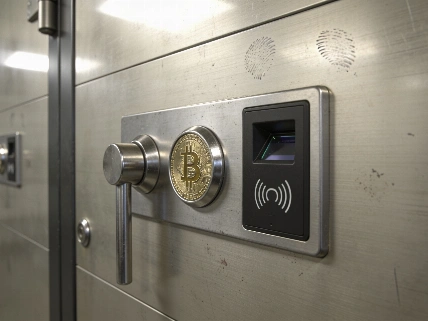
Most AI payment platforms are designed so that users-not the AI-retain ultimate control over their assets. AI agents can help find products, compare prices, and prepare transactions, but they cannot execute payments without explicit user approval. This is enforced through authorization mechanisms such as Passkeys, which use biometrics or device security chips to confirm each transaction. Even when AI sets up a payment, the final step typically requires a fingerprint, facial scan, or other user action to release funds. This approach aims to prevent unauthorized transfers, even if the AI misinterprets instructions or is compromised.
Non-Custodial Wallets and Security Layers
Non-custodial wallets are central to this security model. Unlike centralized exchanges or custodial services, non-custodial wallets ensure that only the user holds the private keys needed to move assets. Platforms like MoonPay PayBox use this structure to keep user funds out of reach from both the AI and the service provider. Additional security comes from Multi-Party Computation (MPC), which splits private keys across multiple devices or environments, so no single point of failure can expose the entire key. Trusted Execution Environments (TEE) add another layer, isolating sensitive operations from the rest of the device and reducing the risk of malware or rogue software interfering with transactions.
Flexible Payment Modes and Remaining Risks
AI payment tools often offer different modes to balance convenience and security. In "Always Ask" mode, every transaction requires user confirmation, while "Autonomous" mode lets users pre-approve certain payments-such as setting spending limits or whitelisting trusted merchants. Even in autonomous mode, the AI's ability to spend is strictly limited by user-defined rules. Despite these safeguards, risks remain: AI could misinterpret natural language instructions, or platform security standards could vary. Regulatory requirements and data privacy concerns also add complexity, especially as AI and Web3 systems become more intertwined.
For institutional users and developers, integrating AI into payment workflows raises additional questions about permission controls and workflow stability. As seen in coverage of API-driven trading automation, robust permission management is critical when automating financial operations-whether for trading or payments.
According to public documentation from MoonPay, PayBox's non-custodial design, Passkey-based authorization, and use of MPC and TEE are intended to keep user assets secure even as AI handles more of the transaction setup. Each payment still requires user approval or must fit within strict pre-set rules, reducing the risk of unauthorized transfers. As AI payment tools evolve, the industry is focusing on building trust through transparent security architecture and clear user controls.
According to data from Chainalysis, non-custodial wallets accounted for a growing share of crypto transaction volume in 2025, with over $1.2 trillion in on-chain transfers routed through self-custody solutions. Adoption of MPC-based wallets increased by more than 40% year-over-year, reflecting heightened demand for advanced security as AI-driven automation expands in the crypto sector.
Non-custodial wallets are a foundational concept in cryptocurrency, giving users direct control over their digital assets without relying on a third party. This model reduces counterparty risk but also places the burden of security and transaction approval on the user. As AI agents become more involved in payment flows, the distinction between transaction setup and asset control becomes even more important. Users should understand the security mechanisms in place and the limits of AI autonomy before enabling automated payments, especially as regulatory and technical standards continue to evolve.