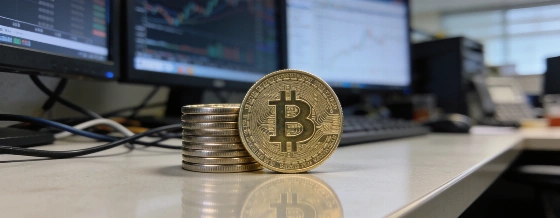
Bitcoin's biggest price jumps often have more going on than meets the eye. Traders need to know if a rally is riding on global money flows or something happening inside crypto itself.
When Bitcoin shoots up 20% in a week and the crypto market adds hundreds of billions, headlines talk about price. But what's really behind the move? That's what matters for anyone holding digital assets. In August 2026, Bitcoin's run to $76,534 wasn't just about bullish mood. It came from several forces at once: changes in U.S. Treasury liquidity, a flood of spot Bitcoin ETF inflows, and a wave of liquidations in the derivatives market. Each factor brought its own risks. If you miss what's actually driving the rally, you can get caught off guard when things turn.
Not all crypto rallies are the same. Sometimes, digital assets climb because global financial conditions are getting better-like when Treasury yields drop, the U.S. dollar weakens, and stocks go up. Other times, Bitcoin, Ethereum, or a handful of tokens jump because of ETF demand, new rules, or protocol upgrades, even if the rest of the market is flat. This isn't just theory. Each type of rally exposes holders to different risks, and the warning signs often show up only after the fact.
In August 2026, U.S. spot Bitcoin ETFs attracted approximately $3.52 billion in net inflows, marking the strongest month of the year and a sharp reversal from July's weakness.
Macro versus crypto catalysts
Knowing whether a rally is driven by macro trends or crypto-specific news is key for managing risk. Macro rallies usually show up across several markets at once. If Bitcoin, tech stocks, and other risk assets all rise after a Federal Reserve move or an inflation report, it points to bigger financial forces at work. In these cases, crypto is just one part of a global push into riskier assets, and the rally can turn quickly if rates, yields, or the dollar shift.
Crypto-specific rallies start inside the digital asset world. They can be sparked by strong spot Bitcoin ETF inflows, new regulations, protocol changes, token launches, or sector stories. If traditional markets are quiet but crypto prices jump, the reason is likely internal. These moves often depend on ETF flows, on-chain activity, or leverage, and can be focused on one sector or token. In August 2026, spot Bitcoin ETF inflows reached several thousand BTC-far more than the monthly new supply-making it harder for the market to absorb all the demand.
Market signals and the role of derivatives
To spot what's really moving the market, you have to watch both traditional and crypto-native signals. Macro rallies usually come with falling Treasury yields, a weaker dollar, and rising stocks. Crypto-driven surges might not show much change in those areas but will have sharp jumps in ETF inflows, on-chain activity, or token-specific news. In August 2026, U.S. spot Bitcoin ETFs pulled in $1.92 billion in net inflows in just five days, showing a rush of institutional demand. At the same time, the U.S. Treasury said it would double buyback operations for long-dated securities, from $2 billion to at least $4 billion each time, which boosted overall liquidity.
Derivatives can make any rally bigger. When open interest and funding rates climb, it means more traders are using leverage. If open interest grows faster than spot volume, the rally is being pushed more by leveraged futures than by direct buying. This can speed up gains through short liquidations, but it also means the drop can be steeper if the mood shifts and leveraged longs have to sell. During the August 2026 rally, estimates show that between $1.4 billion and $4 billion in short positions were wiped out as prices surged.
Analysts note that Bitcoin's August 2026 rally coincided with improved macro liquidity, driven by expanded U.S. Treasury buybacks, falling long-term yields, and a weaker dollar-creating a more favorable environment for risk assets.
How to track and read crypto rallies
For traders and investors, telling the difference between spot-driven moves and leverage-fueled surges isn't just technical. It shapes how you manage risk and which signals matter most. Looking at spot volume, open interest, funding rates, and liquidation data can show if a rally is built on real demand or is getting shaky. On platforms like Gate, users can watch these numbers live to judge how strong a move really is.
Macro rallies in crypto are still tied to changes in rates, yields, and the dollar. Crypto-specific rallies can stall if ETF flows slow down, regulatory hopes fade, or on-chain activity drops. Rallies driven by leverage are especially sensitive to funding costs and sudden liquidations. The August 2026 rally showed how fast things can change: after the CLARITY Act stalled in the Senate and the Federal Reserve raised rates, the market's drivers shifted again. This is why traders need to stay alert.
In August 2026, Bitcoin's price jumped from about $63,000 to $76,534 in less than a week. The wider crypto market added around $400 billion in value. This happened as the U.S. Treasury announced it would double the size of buybacks for long-dated Treasury securities, spot Bitcoin ETF inflows spiked, and more than $1.37 billion in short positions were liquidated. These numbers show how several forces can come together to create wild swings in digital assets.
Understanding what's behind a crypto rally isn't just about reading charts. Macro-driven moves tie digital assets to global markets. Crypto-specific surges can be short-lived if the main trigger fades. Leverage makes rallies more explosive but also more fragile. For U.S. traders and investors, the takeaway is simple: knowing what's moving the market matters as much as knowing where the price is going.
Macro rallies in crypto often follow bigger shifts in global finance. When Treasury yields drop or the dollar weakens, investors look for better returns outside safe assets, and Bitcoin can benefit. But these rallies can turn quickly if central banks change course or new economic data hits. Crypto-specific rallies depend on things like ETF flows, new rules, or protocol changes. These can be powerful but may not last if the trigger fades or leverage gets too high. For anyone in the market, tracking both macro and crypto signals-and knowing how derivatives can ramp up volatility-is key to handling the risks and chances in digital assets.