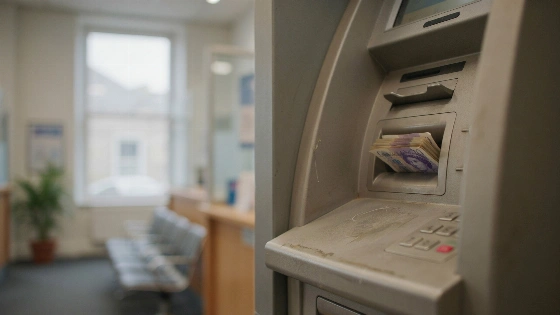
Cash now makes up just 8 percent of UK payments, but people are holding nearly £94 billion in banknotes as a backup for digital outages and crises. This shows the ongoing demand for cash in a world built around digital money.
When digital payments stop working, cash suddenly matters. In the UK, this is clear: people use cash less for daily spending, but the amount of cash they keep has almost doubled in the last 15 years. This is not about nostalgia. It is a way to protect against digital systems failing.
Cash as a backup
The Bank of England says cash made up just 8 percent of UK payments in 2025. That is a steep drop from 58 percent in 2009. But the value of banknotes on the central bank's books jumped from £50 billion to £99 billion over the same period. Right now, the public in Britain and abroad holds £94 billion in cash. Some of this rise comes from inflation and demand outside the UK. Still, the main point stands: people use cash less, but they keep more of it. The Bank of England calls this the "paradox of banknotes."
As of September 2026, the value of banknotes in circulation in the UK reached £98.98 billion, approaching the psychological £100 billion mark despite digital payment dominance.
Most people now pay digitally because it is fast and easy. But these systems rely on layers of technology, electricity, and approval from banks or companies. If any part fails-a network goes down, the power cuts out, or a card is declined-access to money can vanish in seconds. Cash does not need permission, a signal, or working tech. If you have the note, you can pay.
Emergency reserves and official advice
Central banks see these risks. The Dutch National Forum on the Payment System, which includes the central bank and consumer groups, tells households to keep enough cash for three days of basic needs-€70 per adult and €30 per child. Shops are told to keep enough coins and notes to give change and refunds if digital payments stop. These steps show that even strong digital systems can fail.
The European Central Bank has tracked spikes in cash demand during crises: the 2008 financial crash, Greece's debt crisis, the COVID-19 pandemic, and the war in Ukraine. Even as people paid less with cash, more euro banknotes went into circulation. In April 2025, a blackout in Spain and Portugal caused a rush for cash. Digital payments stopped working, and only physical money worked-if shops stayed open.
The UK's payment rails remain highly centralized: in 2025, CHAPS processed £93.9 trillion across 53.3 million transactions, while Faster Payments handled over 5.55 billion operations annually. This reliance on networked infrastructure underscores why cash is still viewed as a critical backup in the event of systemic outages.
Privacy and control
Cash also gives privacy. Unlike cards, cash payments do not leave a digital trail in a bank or company database. For many, this is not about hiding something. It is about keeping some control over daily life. The wish for privacy is a real part of financial freedom, especially as digital payments become easier to track.
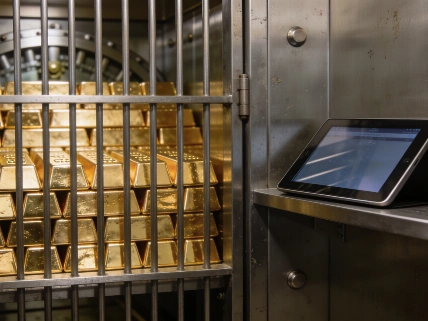
When people lose trust in banks or the currency, some turn to gold. The World Gold Council says global demand for gold bars and coins rose 16 percent in 2025, reaching 1,374 tonnes-the most since 2013. Demand was highest in China and the Middle East, driven by uncertainty and rising prices. But gold has its own problems: prices swing, it is harder to use, and storing it costs money. Unlike cash, gold is not practical for daily spending.
System risks and the price of safety
The Bank of England's latest moves show the support behind every banknote. The central bank plans to keep £120 billion in government bonds to back notes as it shifts to a new system. This does not mean pounds can be swapped for gold, or that their value is fixed. Inflation still eats away at cash, and holding it means missing out on interest and facing risks like theft or fire. Still, many people think the cost of keeping some cash is worth it for the peace of mind if digital systems go down.
For cash to work as a backup, people need places to withdraw it, shops willing to accept it, and supply chains that keep it moving. If these disappear, advice to keep cash is useless. Keeping cash infrastructure is not just about the past. It is about making sure people have a way to pay that does not depend on technology, permission, or special know-how. As reported earlier, even strong digital security can fail, leaving users stuck when systems break.
For now, the UK's cash paradox shows that digital money is only as good as the systems behind it. When those systems fail, being able to pay-without waiting for a fix-becomes the real test of financial strength.
Bank of England data shows that by 2025, people in Britain and abroad held £94 billion in banknotes, almost double the £50 billion in 2009. At the same time, cash's share of UK payments dropped from 58 percent to just 8 percent. The World Gold Council's 2025 report says global demand for gold bars and coins rose 16 percent to 1,374 tonnes, the highest since 2013.
Physical cash stands out because it works without digital systems, approval, or a network. Digital payments are fast and easy, but they come with risks if something breaks. For most people, keeping cash is not about fighting change. It is about staying ready in a world where access to money is never fully guaranteed.