Tether has completed its first full independent audit, with KPMG U.S. confirming that the stablecoin issuer's reserves exceeded liabilities by $6.8 billion at the end of 2025, addressing years of scrutiny over USDT's backing
Tether, the company behind the world's largest stablecoin, has completed its first full independent audit, marking a significant shift in transparency for the $180 billion USDT market. KPMG U.S. issued an unqualified opinion on Tether International's financial statements for the year ending December 31, 2025, confirming that the company's reserves exceeded its liabilities by $6.814 billion. This audit, conducted under American Institute of Certified Public Accountants (AICPA) standards, represents the most comprehensive external review Tether has undergone since its founding.
Audit Scope and Findings
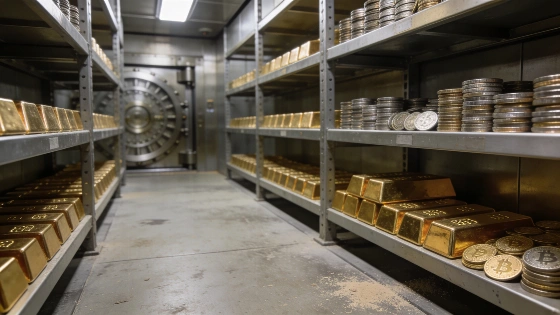
Unlike the quarterly reserve attestations Tether has published for years, which only verify specific figures at a point in time, a full financial audit involves a detailed examination of transactions, assets, liabilities, income, cash flows, internal controls, and supporting documentation. According to Tether, KPMG's audit included physical inspection of every gold bar held in reserve, rather than relying solely on custodian reports. The review covered the company's balance sheet, income statement, changes in equity, and cash flow statement, with auditors testing ownership records, asset valuations, and counterparty relationships across all material areas. Tether described the process as the largest inaugural financial audit in history for a private company in the digital asset sector.
Implications for USDT and Market Confidence
The unqualified audit opinion does not guarantee Tether's business model or future solvency, but it does indicate that KPMG found no material misstatements in how the company presented its financial position. For USDT holders, traders, and exchanges, this level of external scrutiny addresses longstanding concerns about whether Tether's reserves truly back the circulating supply of its stablecoin. USDT has become a core trading pair and settlement asset across global crypto markets, and questions about its backing have fueled regulatory investigations and market volatility in the past. The audit's completion may influence how institutional participants, regulators, and counterparties assess Tether's risk profile going forward.
Years of Scrutiny and Regulatory Pressure
Tether's path to a full audit has been marked by regulatory settlements and public skepticism. In 2021, Tether paid $18.5 million to settle with the New York Attorney General over questions about its reserves, and later that year, the Commodity Futures Trading Commission fined the company $41 million for misleading claims about USDT's backing. Since then, Tether has published quarterly attestations prepared by BDO Italia, but these were not full audits. In March 2026, Tether confirmed it had engaged a Big Four firm for its first comprehensive audit, with the Financial Times later identifying KPMG as the auditor and PwC as a consultant on internal systems. Tether's announcement did not mention PwC's role. The company's reserve assets include significant holdings in Bitcoin and U.S. Treasury bonds, making it a notable participant in both crypto and traditional financial markets.
Industry Context and Next Steps
Tether's audit arrives as scrutiny of stablecoin reserves and transparency intensifies globally. The company's leadership has framed the audit as a starting point for ongoing transparency rather than a final destination. As stablecoin adoption grows and regulatory frameworks evolve, the standards for reserve verification and disclosure are likely to become more demanding. The audit's completion may also influence how other stablecoin issuers approach transparency and external review. For context, the surge in tokenized real-world asset trading on platforms like Hyperliquid has highlighted the growing importance of independently verified reserves and asset backing, as seen in recent coverage of rising RWA trading volumes and shifting ETF inflows.
As of December 31, 2025, Tether's audited financial statements showed reserves exceeding liabilities by $6.814 billion, according to KPMG's review. USDT's market capitalization surpassed $180 billion in 2026, making it the largest stablecoin by circulating supply. Tether's reserve composition includes Bitcoin, U.S. Treasury bonds, and physical gold, with the company emerging as a significant buyer of U.S. government debt in recent years. The audit was conducted under AICPA standards, with KPMG physically verifying gold holdings and testing documentation across all material reserve assets.
Full independent audits are rare among stablecoin issuers, and the distinction between an attestation and a comprehensive audit is critical for market participants. While attestations provide a snapshot of reserves at a specific date, a full audit examines the underlying transactions, controls, and evidence supporting the company's financial statements. This level of scrutiny can help reduce information asymmetry and may influence how regulators, exchanges, and institutional users assess stablecoin risk. However, an unqualified audit opinion does not guarantee future solvency or eliminate all risks associated with stablecoin issuance, redemption, or reserve management.